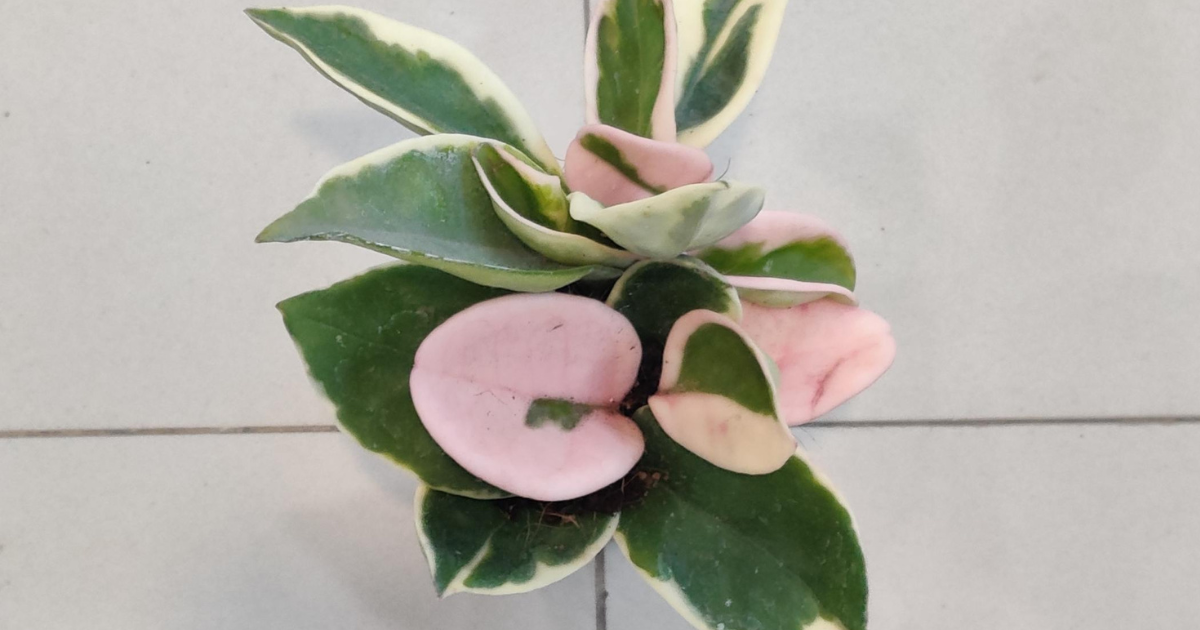
Few houseplants have made a comeback as spectacular as the Variegated Hoya Carnosa ‘Tricolor’, popularly known as the Hoya Krimson Queen. Once considered a vintage plant, this stunning beauty is now one of the most sought-after vines thanks to its glossy leaves, pink-tinged new growth, creamy variegation, fragrant porcelain-like flowers, and easy-care nature.
Native to India, Southeast Asia, and Australia, the Hoya Carnosa has been adored for generations. But its variegated form — with its elegant marbling and colorful highlights — has transformed it into a collector’s favorite. Its cascading stems look incredible in hanging planters, while its compact growth habit makes it equally suitable for desktops, bookshelves, and sunny windowsills.
This comprehensive guide covers everything you need to know to grow, maintain, propagate, and troubleshoot your Variegated Wax Plant
If you want a plant that is visually stunning and surprisingly low-maintenance, this tricolor beauty deserves a spot in your home.
What Makes the Variegated Hoya Carnosa ‘Tricolor’ So Special?
The Hoya Carnosa ‘Variegata’ is a trailing, semi-succulent vine with thick, waxy leaves that display an enchanting mix of:
- Deep green centers
- Creamy white or pale yellow margins
- Soft blush-pink new growth
This combination gives the plant its “Tricolor” identity. The vines are long, flexible, and can be styled to trail or climb. When mature, the plant produces globes of star-shaped, porcelain-like flowers that smell sweet and almost dessert-like — often strongest in the evenings.
Key Highlights
- Scientific Name: Hoya carnosa ‘Variegata’
- Common Names: Wax Plant, Porcelain Flower, Wax Vine, Tricolor Hoya, Variegated Wax Plant
- Growth Habit: Trailing vine (can climb with support)
- Toxicity: Non-toxic but may cause mild irritation due to latex content
- Skill Level: Easy — great for beginners
- Ideal For: Hanging baskets, bright windows, warm and low-maintenance homes
- Blooming Season: Mainly summer, after the plant matures
This plant is especially loved for its young pink leaves, marbled patterns, and the dreamy, fragrant flowers that appear in warmer months once it reaches maturity.
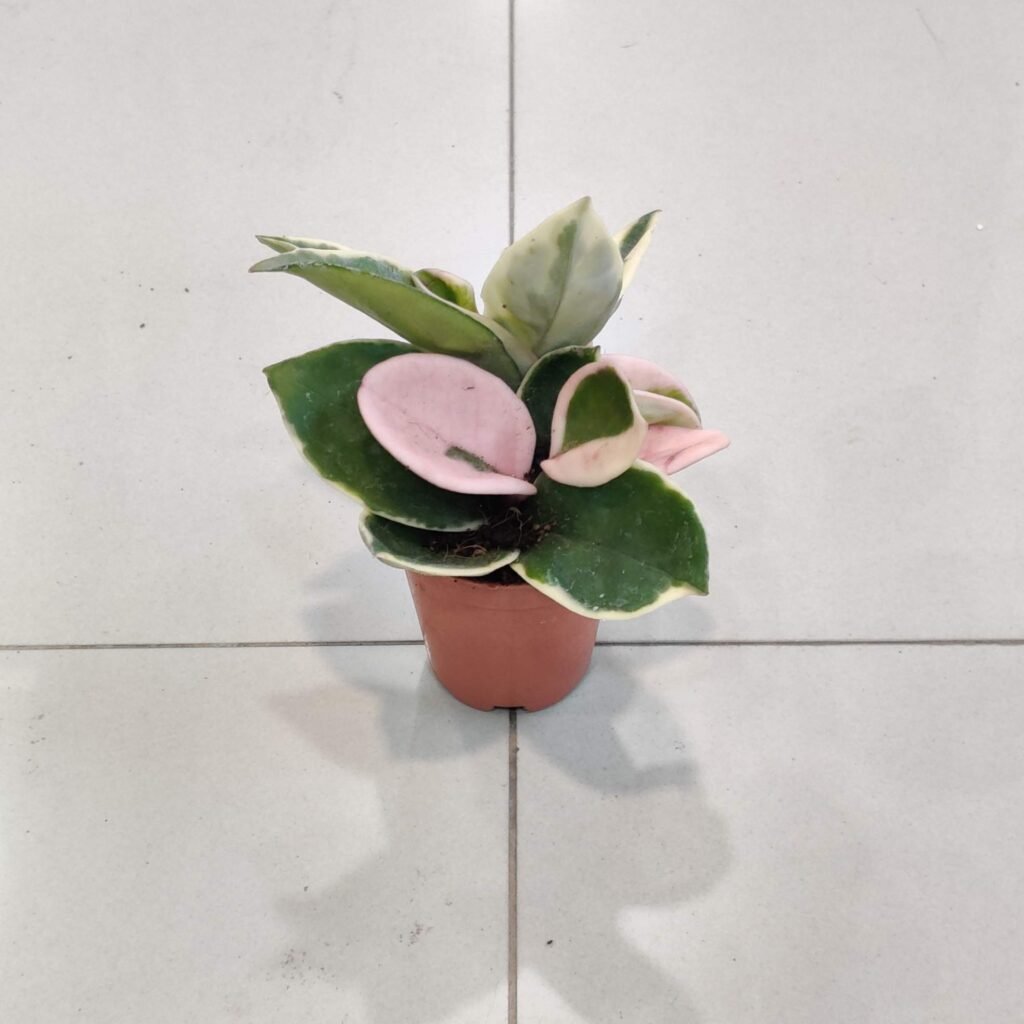
The Magic of Variegated Hoya Carnosa ‘Tricolor’ Flowers: A Bloom Unlike Any Othe
One of the Hoya’s most defining traits is its extraordinary bloom. When the plant is mature and conditions are right, it produces clusters of waxy, star-shaped blossoms called umbels.
What Makes Hoya Flowers Special?
- They look almost fake or sculpted, thanks to their waxy texture.
- Buds resemble tiny plastic beads or candy before they open.
- Flowers release a sweet, honey-like fragrance, strongest in the evening.
- Many growers describe the scent as vanilla, chocolate, and butter mixed together.
- Mature plants bloom reliably every summer — if cared for properly.
Important Note About Spurs
Hoyas bloom from spurs — small nub-like structures on old stems.
Never prune these spurs, as the plant blooms from the same sites every year.
This is one of the top secrets to getting consistent flowers from your Krimson Queen.
Light Requirements: The Secret to Vibrant Variegation
Light is the most important factor for a healthy Variegated Wax Plant.
Best Lighting Conditions
- Bright, indirect light — the ideal environment
- Tolerates gentle morning sun
- Avoids harsh afternoon sunlight, which can burn leaves
- East- or north-facing windows are perfect
- Can be grown under artificial grow lights
Because variegated leaves have less chlorophyll, they need more light to photosynthesize. Insufficient light can cause:
- Fading variegation
- Slower growth
- Smaller leaves
- Long, leggy stems
Excessive sun results in:
- Brown, crispy edges
- Bleached patches
- Sunburn spots
Why Some Leaves Turn All White
Completely white leaves look beautiful but may not survive long because they cannot photosynthesize. The plant will sometimes shed them naturally.
Helpful Tip
Rotate your plant every few weeks so all sides receive even light.
Watering Needs: Less Is More
One of the most common mistakes with Hoyas is overwatering. As a semi-succulent plant, the Krimson Queen prefers to dry out between watering’s.
Follow the “Soak & Dry” Method
- Water thoroughly until water drains out
- Allow the top 1–2 inches of soil to dry before watering again
General Watering Frequency
- Spring & Summer: Every 7–10 days
- Winter: Every 2–3 weeks or even less
Signs of Overwatering
- Soft, mushy stems
- Yellowing leaves
- Soil that stays wet
- Mold on soil surface
- Root rot
Signs of Underwatering
- Wrinkled leaves
- Droopy vines
- Dry, crispy leaf edges
Best Water Type
- Rainwater or distilled water
- If using tap water: let it sit 12–24 hours to release chlorine
Hoyas prefer being slightly neglected rather than over-loved — a perfect plant for busy or new gardeners.
Soil & Drainage: The Best Soil Mix for Variegated Hoya Carnosa ‘Tricolor’
To understand how to grow the Variegated Hoya Carnosa ‘Tricolor’ successfully, you must start with the right soil. In the wild, Hoyas grow as epiphytes, clinging to tree trunks where their roots receive plenty of air, quick drainage, and minimal constant moisture.
Because of this, the Variegated Hoya Carnosa ‘Tricolor’ absolutely dislikes dense, compact, or water-retaining soil. The right soil mix ensures healthy roots, vibrant variegation, and steady growth.
Ideal Soil Mix for Variegated Hoya Carnosa ‘Tricolor’ (Highly Recommended)
Use a chunky, breathable mix that drains rapidly and mimics the plant’s natural habitat:
- 2 parts peat moss or coco coir (light moisture retention)
- 1 part perlite or pumice (excellent aeration)
- 1 part orchid bark (chunkiness + airflow)
This combination creates the perfect Variegated Hoya Carnosa ‘Tricolor’ soil mix, preventing wet roots and improving nutrient uptake.
Alternatively, you can use a cactus & succulent soil blended with 50–70% mineral grit if you prefer a ready-made option.
Optimal Soil pH
- Slightly acidic to neutral: 6.1 – 7.5
This pH range supports healthy root activity and strong growth in the Hoya Carnosa ‘Tricolor’.
Common Soil Problems to Avoid When Growing Variegated Hoya Carnosa ‘Tricolor’
Avoid these issues to protect your plant from stress and root damage:
- Poor drainage → leads to root rot
- Compacted soil → prevents oxygen from reaching roots
- Excess salt buildup → from over-fertilizing
- Overly rich or dense soil → causes fungal problems
- Waterlogged pots → guaranteed root rot for Hoya varieties
Ensuring the soil stays aerated and fast-draining is one of the most important steps in how to grow the Variegated Hoya Carnosa ‘Tricolor’ indoors successfully.
A Helpful Analogy for Hoya Soil
Think of the perfect Variegated Hoya Carnosa ‘Tricolor’ soil mix as a sponge cake — light, airy, full of pockets, and able to let excess moisture escape immediately.
The wrong soil (dense, compact, muddy) is like a heavy mud cake — thick, wet, suffocating, and damaging to the roots.
Temperature & Humidity: Creating the Perfect Tropical Environment for Variegated Hoya Carnosa ‘Tricolor’
To truly thrive, the Variegated Hoya Carnosa ‘Tricolor’ needs conditions that mimic its warm, tropical origins. Maintaining the right temperature and humidity levels is essential for preserving its vibrant variegation, encouraging healthy growth, and supporting flowering.
Ideal Temperature Range for Variegated Hoya Carnosa ‘Tricolor’
The Hoya Carnosa ‘Tricolor’ grows best in stable, warm environments. Aim for:
- Optimal Temperature: 18°C to 24°C (65°F to 75°F)
- Minimum Safe Temperature: Avoid exposure below 10°C (50°F)
- Avoid Extremes: Keep away from heaters, AC vents, drafts, and sudden temperature fluctuations
Consistent warmth helps the Variegated Hoya Carnosa ‘Tricolor’ maintain its semi-succulent leaves and prevents cold shock, which can lead to leaf drop and slowed growth.
Humidity Requirements for Variegated Hoya Carnosa ‘Tricolor’
This plant loves humidity due to its tropical heritage.
- Ideal Humidity Level: 50–70%
- Moderate household humidity is acceptable, but higher humidity encourages better variegation and stronger growth
- Humidity also helps prevent leaf curling and improves blooming performance
Ways to Increase Humidity for a Healthy Variegated Hoya Carnosa ‘Tricolor’
To support your plant’s lush, glossy foliage, try:
- Humidifiers – The most effective way to increase humidity
- Pebble tray with water under the pot
- Grouping plants together to create a natural humidity zone
- Avoid misting the flowers, though occasional leaf misting is acceptable
Plants grown in proper humidity show richer colors, fewer brown edges, and more vigorous vine growth.
Signs Your Variegated Hoya Carnosa ‘Tricolor’ Needs More Humidity
- Crispy leaf tips
- Curling leaves
- Slow growth
- Buds dropping before blooming
Maintaining warm temperatures and steady humidity ensures your Variegated Hoya Carnosa ‘Tricolor’ thrives year-round and keeps its striking tricolor foliage healthy and vibrant.
Fertilizing: Light Feeding for Steady Growth
Hoyas are not heavy feeders, but fertilizing during the growing season encourages lush foliage and blooming.
Fertilizing Schedule
- Every 2–4 weeks in spring and summer
- Stop feeding in winter
- Avoid feeding when the plant is actively blooming
Best Fertilizer Types
- Balanced liquid fertilizer (10-10-10 or 20-20-20)
- Always dilute to half strength
Organic Options
- Seaweed extract
- Compost tea
- Worm castings
- Fish emulsion (sparingly — strong odor)
Signs of Over-Fertilizing
- Brown, crispy leaf edges
- White crust on soil
- Sudden leaf drop
- Burnt roots
Signs of Under-Fertilizing
- Pale leaves
- Weak growth
- Fewer blooms
To prevent salt buildup, flush soil with plain water every 2–3 months.
Potting & Repotting: Variegated Hoya Carnosa ‘Tricolor’ Like It Snug
Hoyas actually prefer living slightly root-bound.
When to Repot
Every 2–3 years, or when you notice:
- Roots circling the pot
- Soil draining too quickly
- Plant leaning or unstable
- Growth slowing despite proper care
Best Pots for Hoyas
- Terracotta pots (excellent air flow)
- Plastic pots (retain moisture — water carefully)
- Pots must have drainage holes
How to Repot
- Water the plant the day before
- Remove gently and loosen roots
- Inspect for rot and trim damaged roots
- Replant at the same soil depth
- Avoid fertilizing for 4–6 weeks
Never repot when the plant is blooming — it may shed buds.
Pruning for Shape & Growth
Pruning is minimal but useful for shaping and encouraging bushiness.
Best Time to Prune
- Spring or early summer
Why Prune?
- Control length
- Remove dead or yellow leaves
- Boost fullness
- Improve air circulation
Golden Rule
Never cut flower spurs.
They rebloom from the same node for years.
Propagation: Creating New Baby Variegated Hoya Carnosa ‘Tricolor’
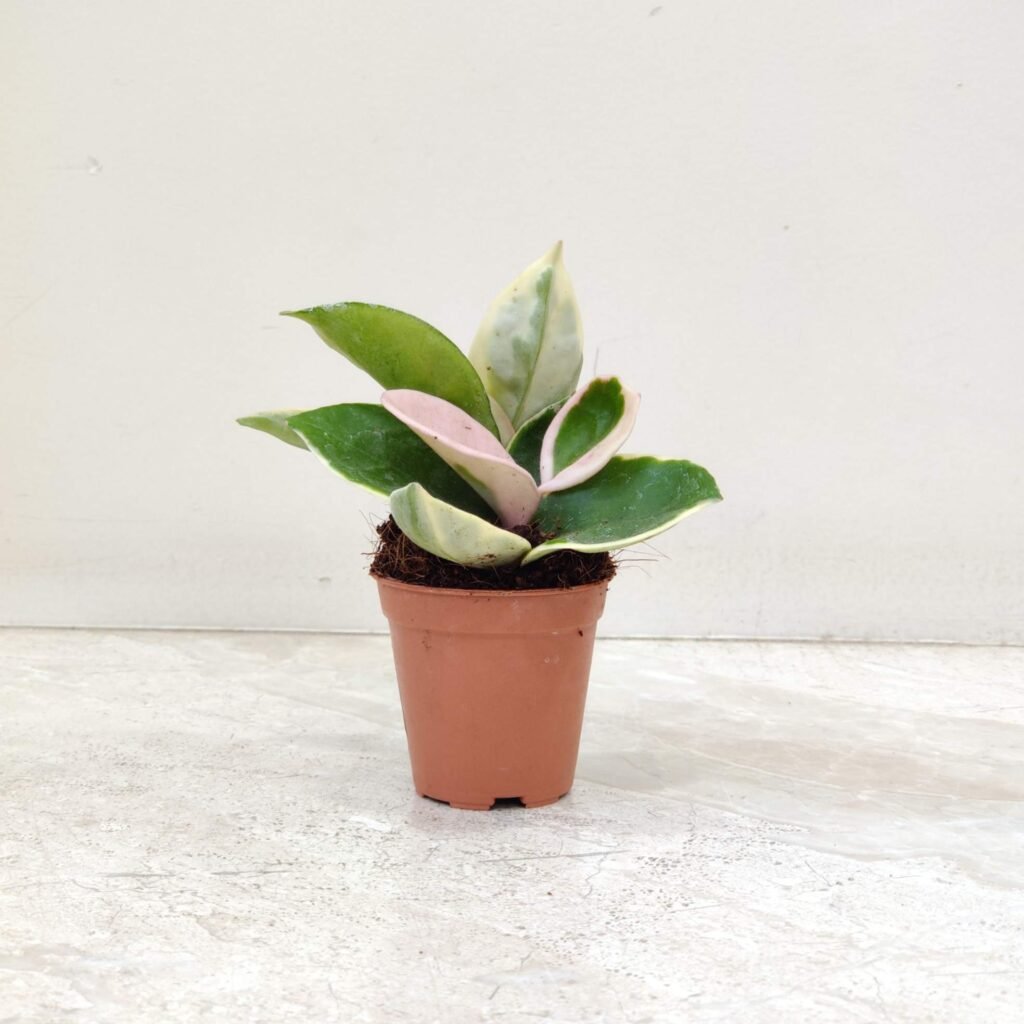
Propagation is easiest through stem cuttings.
How to Propagate (Stem Cutting Method)
- Choose a healthy vine with 2–3 nodes
- Cut below a node (4–6 inch cutting)
- Remove lower leaves
- Dip in rooting hormone (optional)
- Plant in airy soil
- Keep warm with bright, indirect light
- Maintain high humidity (plastic cover optional)
Roots typically form in 4–6 weeks.
Leaf Cutting Method
Possible but slow and less reliable — may take a year.
Pest & Disease Management
This resilient plant can still attract occasional pests.
Common Pests
- Mealybugs
- Spider mites
- Scale
- Aphids
Treatment
- Remove pests manually with alcohol swabs
- Spray with neem oil or insecticidal soap
- Improve ventilation
- Isolate infected plants
Common Diseases
- Root rot (overwatering)
- Leaf spot
- Botrytis (gray mold)
Prevention
- Excellent drainage
- Correct watering
- Clean pruning tools
- Avoid misting flowers
Benefits & Special Features
Why Hoya Carnosa ‘Tricolor’ Is a Must-Have
- Non-toxic to pets and humans
- Purifies indoor air
- Great for beginners
- Thrives on minimal attention
- Long-lived with consistent care
- Offers trailing or climbing versatility
This plant is a fantastic blend of beauty, resilience, and charm.
Troubleshooting Guide
Yellow Leaves
Overwatering or poor drainage.
Brown Edges
Low humidity or too much direct sun.
Loss of Variegation
Insufficient light.
No Flowers
- Too little light
- Excessive repotting
- Pruned spurs
- Overfeeding
Wrinkled Leaves
Underwatering or root damage.
Conclusion: A Timeless, Easy-Care Houseplant for Every Home
The Variegated Hoya Carnosa ‘Tricolor’ is more than a beautiful foliage plant — it’s a rewarding, low-maintenance companion that brings life, fragrance, color, and elegance to any space. With the right amount of light, proper soil, and modest watering, this plant can thrive for decades.
Whether you’re a new plant parent or a seasoned collector, the Hoya Krimson Queen is a standout variety that offers year-round beauty and seasonal blooming magic. Give it a bright home and a bit of patience, and it will quickly become one of your favorite indoor plants.
FAQs
1. How much light does a variegated Hoya need?
Bright, indirect light is ideal. Morning sun is okay, but avoid harsh afternoon sun.
2. How often should I water my Hoya Carnosa ‘Tricolor’?
Water only when the top 1–2 inches of soil are dry. In summer: every 7–10 days. In winter: every 2–3 weeks.
3. What soil is best for Hoyas?
A well-draining, airy mix with coco coir, perlite, and orchid bark is perfect.
4. Is the Variegated Wax Plant toxic to pets?
It is generally considered non-toxic, but ingestion may cause mild stomach upset.
5. How can I encourage my Hoya to bloom?
Give it bright light, keep it slightly root-bound, and avoid pruning spurs.
6. Why are my leaves losing variegation?
This happens when the plant is not receiving enough light.
7. Why are my leaves turning brown at the edges?
Likely due to sunburn or low humidity.
8. Can Hoyas live in the bathroom?
Yes! They enjoy humidity — just make sure there’s bright, indirect light.
Transform Your Space With Easy-Care Indoor Plants – Shop Now
Looking for low-maintenance plants like Hoya Carnosa? Explore our curated indoor plant collection and bring home air-purifying greenery that thrives in Indian homes.