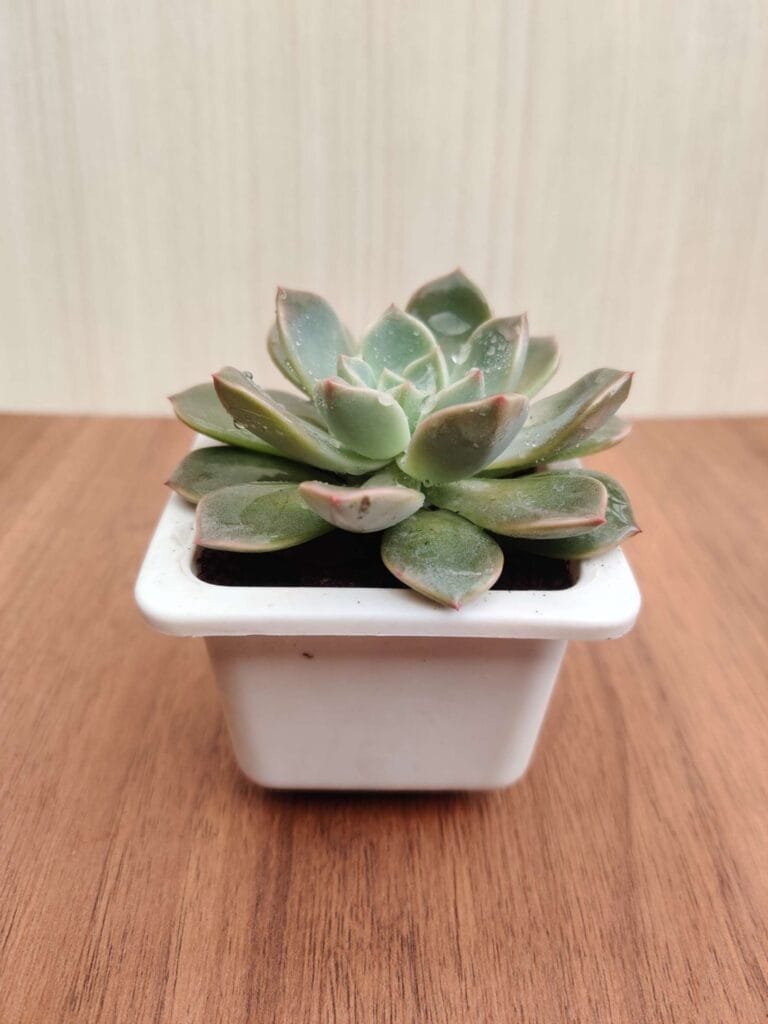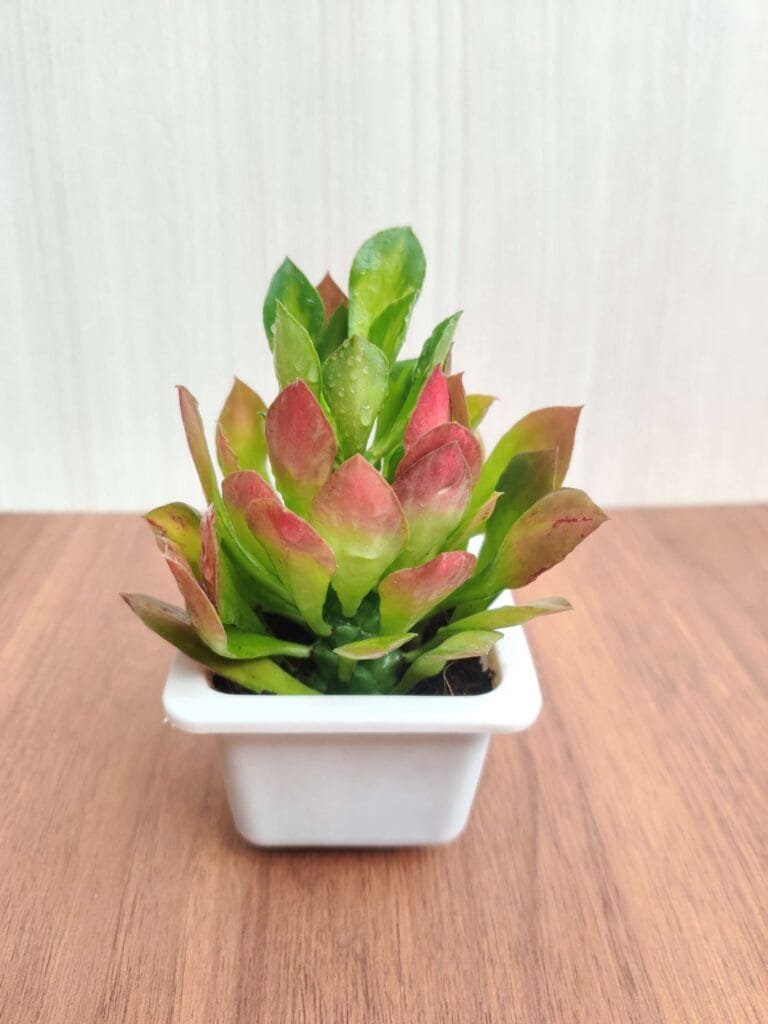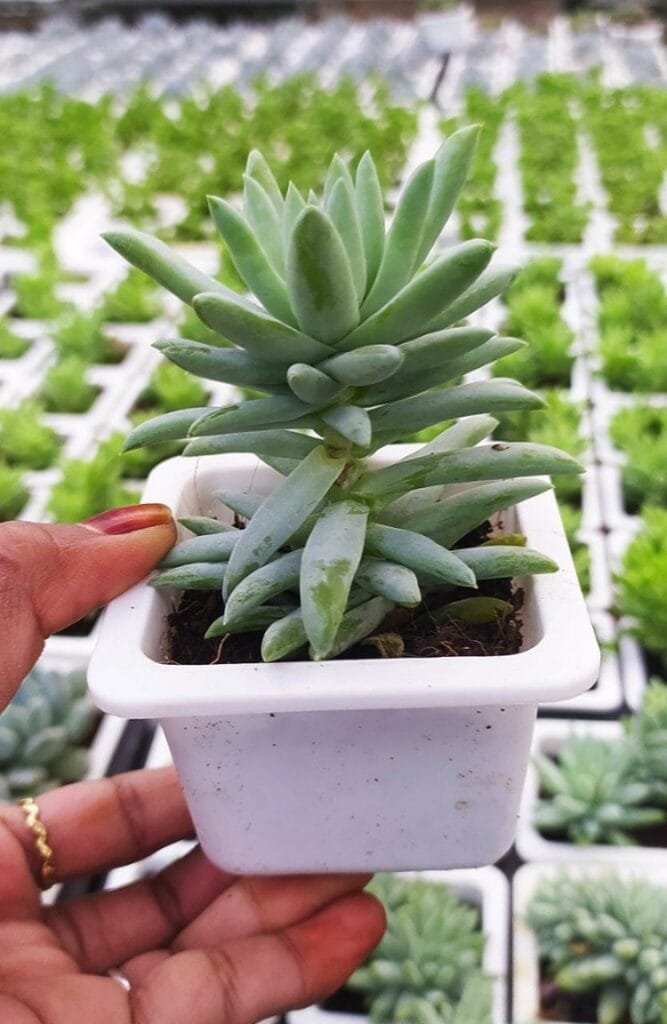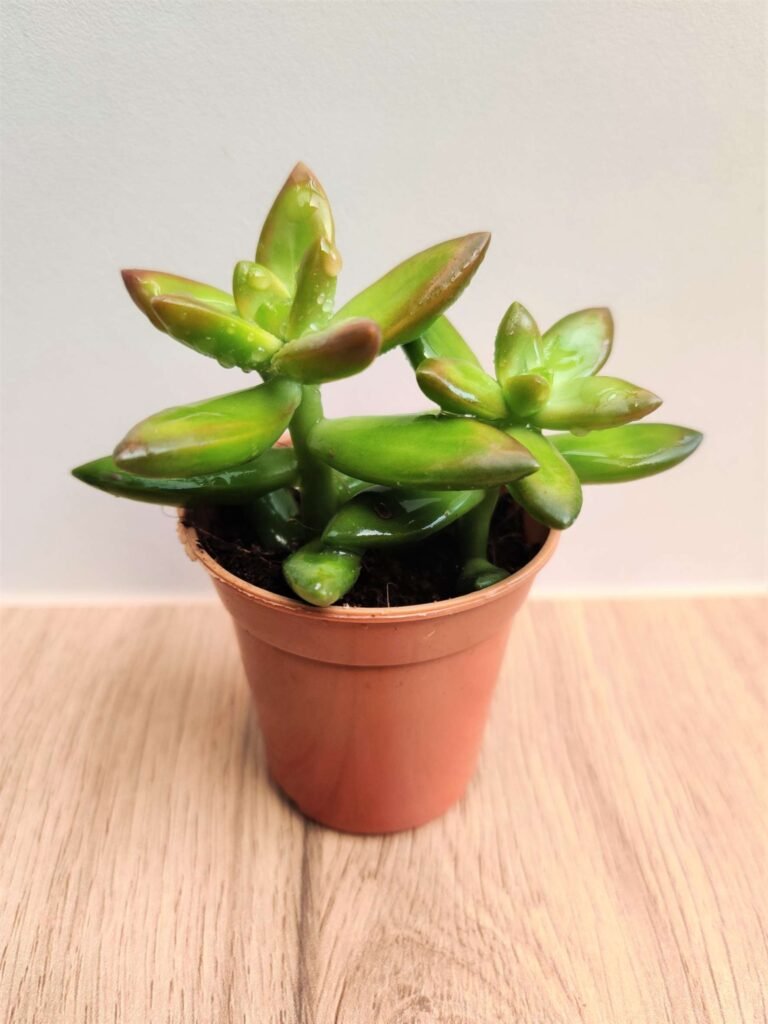
Succulents are popular houseplants known for their resilience and low maintenance. However, they are not indestructible. If your succulent is struggling, it’s essential to identify the underlying issue and take corrective action before it’s too late.
In this guide, we will walk you through the most common reasons succulents die and provide practical solutions to revive them.

Common Causes of Dying Succulents and How to Fix Them
1. Overwatering and Root Rot
Overwatering is the leading cause of succulent deaths. These plants store water in their thick leaves and stems, making them highly susceptible to root rot if they receive too much moisture.
Signs of Overwatering:
- Soft, mushy, and translucent leaves
- Leaves turning yellow and dropping off
- Blackened and mushy roots
- Foul smell coming from the soil
Solution:
- Stop watering immediately to allow the soil to dry out.
- Repot the succulent in dry, well-draining soil and trim away rotted roots.
- Use a terra cotta pot to help wick away excess moisture.
- Adjust your watering schedule to only when the soil is completely dry.
2. Underwatering
Succulents are drought-tolerant, but they still need water to thrive. If left dry for too long, they can become dehydrated.
Signs of Underwatering:
- Wrinkled, shriveled, or crispy leaves
- Dry, brown leaf tips
- Slow or stunted growth
Solution:
- Give your succulent a deep soak by bottom watering (placing the pot in a shallow tray of water to allow the soil to absorb moisture).
- Ensure a proper watering schedule by checking the soil regularly and watering when it’s dry.
3. Insufficient Light
Succulents thrive in bright light, and a lack of it can weaken them over time.
Signs of Low Light:
- Pale or faded color
- Leggy growth (stretched-out stems)
- Loss of variegation
Solution:
- Move your plant to a bright, sunny location, ideally near a south-facing window.
- Use a grow light if natural light is insufficient.
4. Too Much Sunlight (Sunburn)
While succulents love the sun, excessive exposure can cause sunburn.
Signs of Sunburn:
- Tan, brown, or white patches on leaves
- Dry and crispy leaf tips
- Sudden discoloration
Solution:
- Move the succulent to a partially shaded area to avoid harsh direct sunlight.
- Acclimate your plant gradually if transitioning it to a sunnier spot.
5. Pest Infestations
Pests can quickly weaken succulents, leading to severe damage if left untreated.
Common Succulent Pests:
- Mealybugs – White, cottony masses on leaves
- Spider mites – Tiny webs and speckled discoloration
- Scale insects – Flat, brown, or black bumps on stems and leaves
- Fungus gnats – Tiny black flies hovering around the soil
Solution:
- Use rubbing alcohol – Dab pests with a cotton swab dipped in alcohol.
- Apply insecticidal soap – A natural and safe option for controlling infestations.
- Introduce beneficial insects – Ladybugs and predatory mites help control pests naturally.
6. Poor Soil and Drainage
Succulents need well-draining soil to prevent water retention and root rot.
Signs of Poor Soil:
- Constantly damp or soggy soil
- Slow growth and weak stems
- Mold or fungus growth in the pot
Solution:
- Repot the succulent in a specialized succulent/cactus mix that drains quickly.
- Avoid standard potting soil, as it retains too much moisture.
Pro Tips for Keeping Succulents Healthy
- Follow the “Soak and Dry” Method – Water deeply but only when the soil is completely dry.
- Ensure Proper Airflow – Avoid overcrowding plants to prevent humidity buildup.
- Use the Right Pot – Terra cotta pots with drainage holes are ideal for succulents.
- Fertilize Sparingly – Use a diluted succulent fertilizer during the growing season.
- Monitor Seasonal Changes – Reduce watering in fall and winter when growth slows.
Conclusion
Succulents are hardy, but they still need proper care. By identifying common issues like overwatering, insufficient light, or pests early on, you can take the necessary steps to revive your plant. Remember, a healthy succulent is one that receives the right balance of water, light, and airflow.
By following these tips, your succulents will thrive and continue to add beauty to your indoor or outdoor garden for years to come.