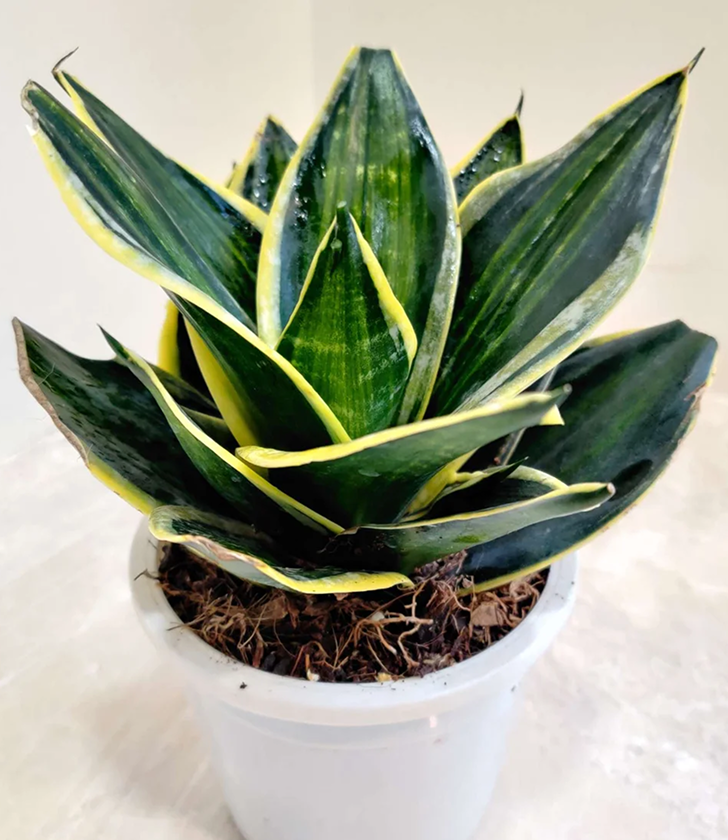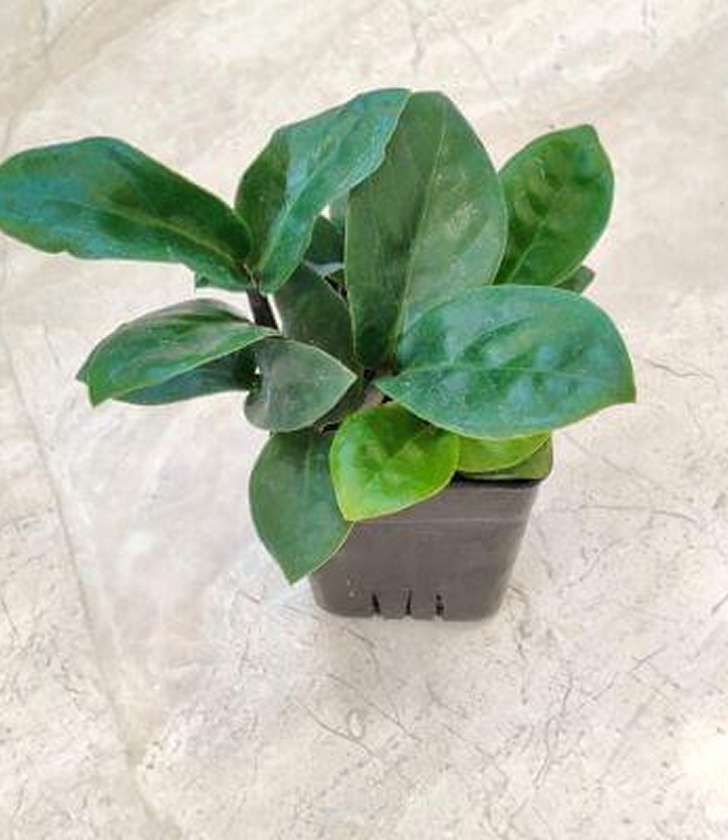

Among the world’s most resilient and visually striking indoor plants, Zamioculcas Zamiifolia Variegata—popularly known as the Variegated ZZ Plant—stands out for its creamy-yellow marbled foliage and effortless adaptability. This tropical aroid from the Araceae family has its roots in the arid regions of Southern and Eastern Africa, where survival under harsh, dry conditions shaped its unique drought-tolerant physiology.
Often called the Zanzibar Gem, this plant has gained global admiration not just for its ornamental foliage but also for its incredibly low-maintenance nature. According to horticultural studies, including those recognized by the University of Vermont, the ZZ plant ranks among the most reliable houseplants for beginners and seasoned growers alike. What truly sets the Variegated form apart is its luminous streaks of yellow, cream, and soft lime layered over its deep green leaves—an effect that intensifies under ideal lighting.
At Sanjay Nursery, we often recommend Zamioculcas Zamiifolia Variegata to customers who seek a plant that is both aesthetic and forgiving. Whether you are designing a modern indoor garden, brightening an office desk, or curating a tropical-themed home corner, this plant doesn’t just survive—it thrives with minimal care. And yet, despite its reputation as “nearly impossible to kill,” the variegated version requires specific care techniques to maintain its stunning patterns and avoid its biggest threat: rhizome rot.
This comprehensive guide will teach you everything you need to know to grow a healthy, vibrant, long-lasting Zamioculcas Zamiifolia Variegata at home.
1. Understanding Zamioculcas Zamiifolia Variegata: Origins, Structure & Unique Traits

Botanical Profile
- Scientific Name: Zamioculcas Zamiifolia Variegata
- Common Name: Variegated ZZ Plant / Zanzibar Gem
- Family: Araceae
- Origin: Southern & Eastern Africa
- Growth Habit: Slow-growing, tuberous, upright ornamental
- Mature Size: 2–3 feet in height and spread (indoors)
What Makes This Plant Unique?
A. Tuberous Rhizomes
Beneath the soil, the ZZ plant grows from potato-like rhizomes—thick, bulbous storage organs that accumulate water and nutrients. This is what gives the plant its legendary drought tolerance, allowing it to survive months of neglect.
B. Semi-Succulent Physiology
The thick, fleshy petioles and waxy leaves reduce water loss, supporting survival in arid conditions.
C. Variegation Patterns
The creamy white, yellow, and light-green marbling appears due to reduced chlorophyll in some leaf tissues. Maintaining this variegation requires sufficient sunlight, as low light causes reversion to solid green.
D. Air-Purifying Benefits
Like many aroids, ZZ plants are known to absorb indoor toxins such as:
- Benzene
- Xylene
- Toluene
- Ethylbenzene
This makes the Variegated ZZ an excellent plant for bedrooms, offices, living rooms, and commercial spaces.
E. Toxicity Warning
All parts of Zamioculcas Zamiifolia contain calcium oxalate crystals.
- Toxic if ingested by pets or humans
- Sap can irritate skin
Always wear gloves while pruning or repotting.
2. Essential Care Guide for Zamioculcas Zamiifolia Variegata
The Variegated ZZ Plant thrives under low-effort routines, but it demands precision in watering and light management. Below is your complete care blueprint.
A. Soil Requirements: Why Drainage Is Everything
Ideal Soil Composition
To mimic its natural habitat, the soil should be:
✔ Well-draining
✔ Light and airy
✔ Mildly acidic to neutral (pH 5.6–7.5)
Recommended Mix
- 50% good-quality potting mix
- 25% coarse sand (improves aeration)
- 25% compost (nutrient boost)
A chunky mix prevents water retention around the rhizomes, reducing the risk of rot.
Signs Your Soil Needs Improvement
- Soil remains moist for more than 5–7 days
- Leaves show yellowing despite reduced watering
- Growth appears stunted
- The pot feels unusually heavy after watering
B. Watering: The Most Critical Step in ZZ Care
Overwatering is the #1 cause of death in Zamioculcas Zamiifolia Variegata and leads directly to rhizome rot.
Golden Rule: Water ONLY when soil is completely dry.
General Watering Schedule
- Summer: Every 10–14 days
- Monsoon: Every 3–4 weeks
- Winter / Low Light: Once a month
How to Check Moisture Correctly
- Insert your finger 2–3 inches deep
- If ANY moisture is felt → wait
- Always empty the saucer beneath the pot
Symptoms of Overwatering
- Yellow leaves
- Mushy petioles
- Soil emits an unpleasant smell
- Soft rhizomes
Symptoms of Underwatering
- Brown, crispy leaf tips
- Wrinkled stems
- Drooping foliage
Remember: this plant forgives underwatering far more than overwatering.
C. Light Requirements: The Secret to Preserving Variegation
Best Light Conditions
✔ Bright, indirect sunlight (ideal)
✔ Near east or north-facing windows
✔ Afternoon sun filtered through sheer curtains
Direct Sunlight Warning
Harsh sun can:
- Burn the leaves
- Fade variegation
- Cause curling as a protective response
Low Light Tolerance
The plant will survive but not thrive. Expect:
- Slow growth
- Deep green leaves (variegation fades)
- Increased risk of overwatering due to slow evaporation
If variegation fades, move the plant closer to a brighter spot and rotate it weekly.
D. Temperature & Humidity Needs
Ideal Temperature Range
- 65°F to 85°F (18°C–30°C)
Critical Warning:
Temperatures below 60°F (15°C) can cause irreversible damage or death.
Humidity Preference
ZZ plants adapt to normal household humidity but prefer:
- 40% or higher, especially in air-conditioned or heated rooms.
A gentle weekly misting with distilled water helps maintain leaf freshness.
E. Fertilizing for Healthy, Steady Growth
Though not heavy feeders, variegated ZZ plants appreciate nutrients during active growth.
Fertilizer Schedule
- Once a month in spring & summer
- Dilute to 1/8–1/4 of recommended strength
- Skip fertilizing in winter
Signs of Nutrient Deficiency
- Pale yellow leaves (not caused by watering)
- Slow or no new growth
Signs of Over-Fertilizing
- Brown leaf edges
- Salt crust on soil surface
Slow-release fertilizer applied once every six months is also effective.
3. Repotting, Pruning, and Maintenance Techniques
A. When & How to Repot
Repot every 1–2 years, or when:
- Rhizomes press against the pot
- Leaves curl due to root restriction
- Soil compaction reduces drainage
Pot Size Recommendation
Choose a pot only 1–2 inches larger to avoid excess soil moisture.
Drainage Holes Are Non-Negotiable
Never use planters without drainage unless used with an inner nursery pot.
B. Pruning for Health & Aesthetic Balance
Prune to:
- Remove yellow or dying leaves
- Shape the plant
- Encourage focused energy toward new growth
Always sanitize your tools and wear gloves.
C. Smart Maintenance Tips
✔ Rotate the pot weekly for balanced growth
✔ Dust leaves frequently to improve photosynthesis
✔ Use soft or rainwater to avoid mineral buildup
✔ Avoid placing the plant near heat vents, radiators, or direct AC airflow
4. Propagation: How to Expand Your Variegated ZZ Collection
Propagation is slow but extremely rewarding—especially for a high-value plant like Zamioculcas Zamiifolia Variegata.

A. Propagating by Stem Cuttings (Most Effective Method)
Step-by-Step Guide
- Select a healthy stem with 2–3 leaves
- Cut using a sterilized knife
- Allow the cutting to callus for several hours
- Plant in a peat + perlite mix
- Keep at ~80°F in bright filtered light
- Water every 2 weeks
- Expect new rhizomes in 4–6 weeks
Using rooting hormone significantly improves success rates.
B. Propagating by Leaflet Cuttings (Unique to ZZ Plants)
Zamioculcas Zamiifolia is the only aroid that propagates successfully from single leaflets.
But note:
- Growth is very slow
- It may take months for rhizomes to appear
C. Root Division (Least Recommended)
Because rhizomes grow slowly, dividing them may damage the parent plant. Only attempt division if the plant is extremely root-bound.
5. Growth Expectations, Blooming & Appearance
Growth Rate
Slow but steady—patience is essential.
Mature Appearance
- Upright, arching stems
- 6–8 leaf pairs per petiole
- Rich variegation patterns
Blooming Season
Though rare indoors, blooms may appear in:
- Mid to late summer
- Early autumn
The inflorescence is small and subtle—its charm lies mainly in its foliage.
6. Troubleshooting Common Problems
Even the hardiest plants have vulnerabilities. Correct diagnosis is key.
A. Rhizome Rot: The Most Serious Issue
Symptoms
- Yellowing leaves
- Mushy stems
- Foul-smelling soil
How to Save Your Plant
- Remove plant from pot
- Cut away rotten sections
- Treat with fungicide
- Soak pot in 1:9 bleach solution
- Repot in fresh soil with improved drainage
B. Leaf Problems & Solutions
Yellow Leaves
Cause: Overwatering, poor drainage, nutrient imbalance
Fix: Adjust watering, improve soil, reduce feeding
Brown Tips
Cause: Underwatering, low humidity
Fix: Increase watering frequency slightly, mist regularly
Drooping Leaves
Cause: Low light or small pot
Fix: Move to brighter location, check if root-bound
Curling Leaves
Cause: Excess direct sunlight
Fix: Filter the light, change position
C. Pest Management: Mealybugs
Treatment Plan
- Wipe insects with soapy cloth
- Spray with isopropyl alcohol
- Use neem oil weekly until gone
ZZ plants generally resist pests well, but early detection is essential.
7. Interesting Varieties of ZZ Plants
- Lucky Classic – Rounded leaf shape
- Zamicro Dwarf ZZ – Compact miniature
- ZZ Zenzi – Rare curly-leaf form
- Raven ZZ – Dramatic black foliage
Collecting these varieties creates a stunning indoor aroid display.
8. Safety Guidelines
Because the plant contains toxins:
- Keep away from pets & children
- Wear gloves while pruning
- Wash hands after handling
9. Why Buy Zamioculcas Zamiifolia Variegata From Sanjay Nursery?
At Sanjay Nursery, we specialize in premium indoor plants, including rare and variegated varieties. When you purchase from us, you receive:
✔ Healthy, well-rooted Variegated ZZ Plants
✔ Expert guidance
✔ Safe packaging
✔ Access to matching ceramic planters
We also offer curated collections suited for modern indoor plant styling.
Final Thoughts
Zamioculcas Zamiifolia Variegata is a rare combination of beauty, resilience, and adaptability. With its luminous variegation and low-maintenance care routine, it is a perfect choice for homes, offices, and indoor gardens. By following the guidelines in this comprehensive care manual—especially regarding watering and light management—you can enjoy a thriving, elegant Variegated ZZ Plant for years to come.
Want to know why ZZ plants are customer favorites at Sanjay Nursery? Explore the Top Benefits of ZZ Plants in our featured blog post.
FAQs
1. Is Zamioculcas Zamiifolia Variegata toxic?
Yes. All parts of the plant are toxic if ingested and may cause skin irritation. Always wear gloves during maintenance.
2. Why is my variegation fading?
Insufficient light is the cause. Move your plant to a brighter location with indirect sunlight.
3. How often should I water the Variegated ZZ Plant?
Water only when the soil is completely dry. Overwatering leads to rhizome rot, the plant’s biggest vulnerability.
4. Can this plant survive in low light?
Yes, but growth slows dramatically and variegation fades. Medium to bright indirect light is ideal.
5. How do I revive an overwatered ZZ plant?
Remove it from soil, cut off rotted parts, treat with fungicide, and repot into fresh, well-draining mix.
6. Can I propagate it from a single leaf?
Yes. It is the only aroid that propagates successfully from leaflet cuttings, though the process is slow.
7. Should I fertilize my ZZ plant?
Light fertilization once a month in spring/summer is enough. Never fertilize in winter.
8. What temperature does it prefer?
Maintain 18°C–30°C. Avoid temperatures below 15°C.
9. Does the plant bloom indoors?
Yes, but infrequently. Flowers are subtle and not the main attraction.
10. Where can I buy Zamioculcas Zamiifolia Variegata?
You can buy high-quality, healthy plants from Sanjay Nursery, available for nationwide delivery.

Shop Our Premium ZZ Plant Collection — Find Rare Varieties Like Variegated & Raven ZZ