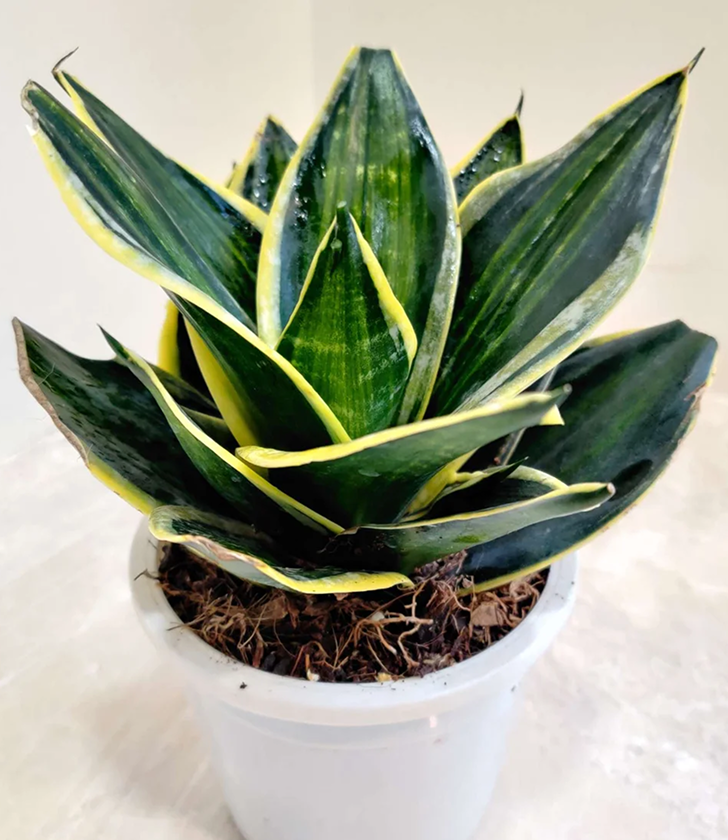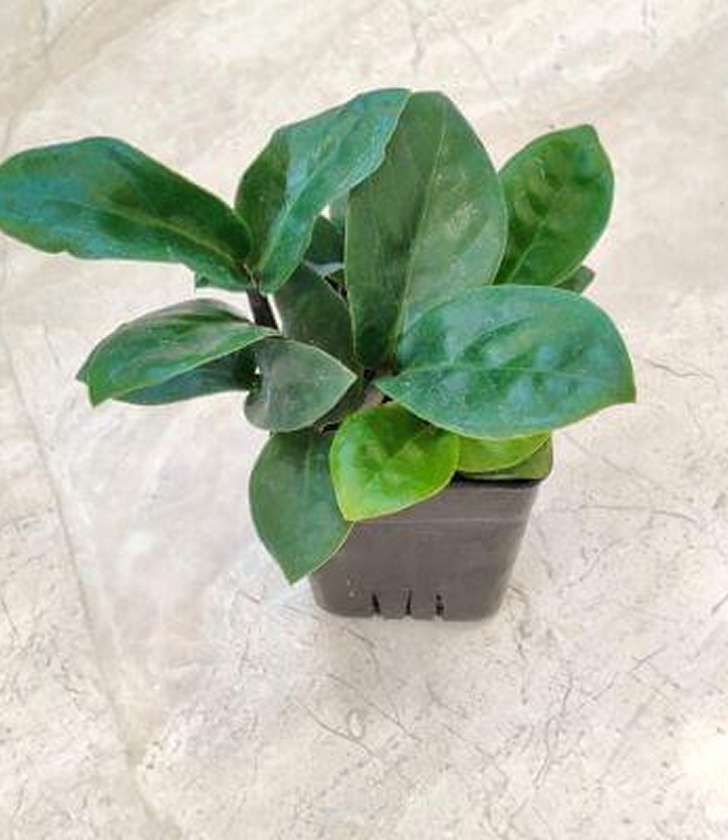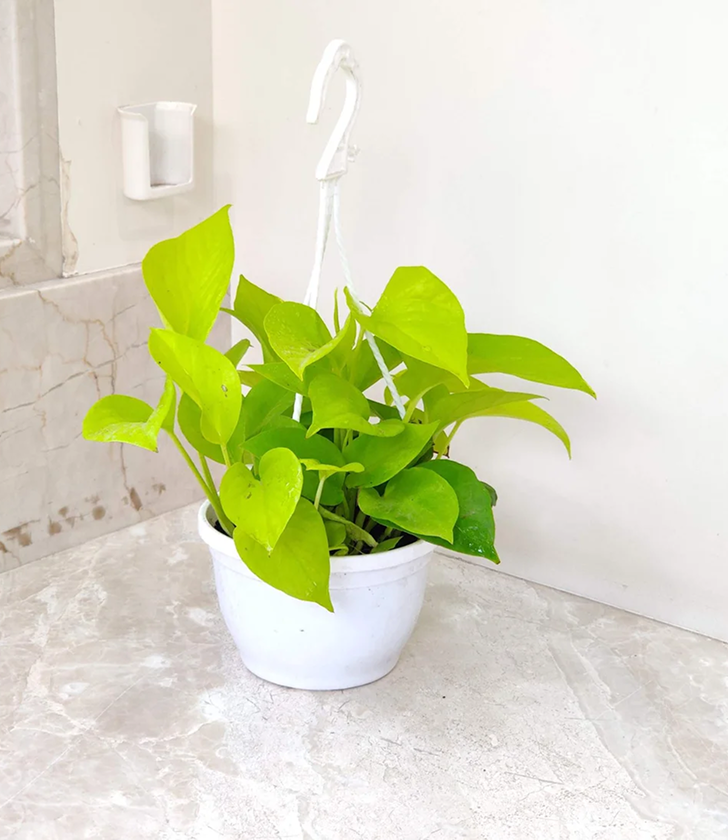

The Scindapsus Jade Satin Variegated—also known by enthusiasts as Jade Satin Variegated Scindapsus, Scindapsus Jade Satin Aurea Variegated, or the Jade Satin pothos variegated form—is one of the most visually striking aroids available to indoor plant lovers. Known for its velvety, textured leaves and luminous streaks of golden or yellow Aurea variegation, this rare variety has quickly climbed to the top of wishlists for plant collectors.
Its compact growth pattern, thick foliage, unique marbling, and luxurious matte finish make it a standout plant suitable for modern décor, tropical-themed rooms, offices, shelves, and hanging baskets. Whether allowed to trail gracefully or trained vertically along a moss pole, the variegated Scindapsus houseplant brings depth, elegance, and visual drama to any space.
But to grow beautifully, the Jade Satin Scindapsus requires specific care. This comprehensive guide covers everything—from lighting to watering, humidity, soil composition, repotting, propagation, and common problems—so your plant can thrive for years.

1. LIGHT REQUIREMENTS FOR SCINDAPSUS JADE SATIN VARIEGATED
Why Bright Indirect Light Is Essential for Aurea Variegation
Light is the most important factor influencing the overall health and variegation quality of the Scindapsus Jade Satin Variegated. Because this plant develops naturally in forest understories, it prefers bright, indirect light rather than direct sun.
Ideal Lighting Conditions
Place your Jade Satin Variegated Scindapsus in:
- A room with abundant natural brightness
- An east-facing window (gentle morning sun)
- A west-facing window with filtered light
- A north-facing window (consistent soft light)
- A bright room set a few feet away from direct sunlight
Too much direct sunlight can scorch the satin-textured leaves, creating:
- Crisp brown spots
- Dry, thin patches
- Faded variegation
Too little light results in:
- Slower growth
- Reduction in Aurea variegation
- Smaller, duller leaves
- Stretching or leggy vines
If you notice fading or washed-out variegation, move the plant closer to a bright window. If leaves look burnt or dry, move it away.
Signs the Lighting Is Incorrect
| Problem | What It Means |
|---|---|
| Dry, brown, crispy edges | Too much direct sun |
| Pale or lime-green leaves | Light is too harsh |
| Dull or disappearing variegation | Not enough light |
| Small, slow growth | Low-light stress |
Correcting the lighting improves new growth, although damaged leaves will not revert.
2. WATERING THE SCINDAPSUS JADE SATIN VARIEGATED
Moisture Management for Healthy Roots and Lush Foliage
This plant is extremely sensitive to overwatering—one of the most common causes of failure with variegated aroids. The Scindapsus Jade Satin Variegated does not tolerate prolonged moisture or soggy soil. The roots need oxygen, drainage, and breathing space.
How to Water Properly
Use the dependable method recommended in the source document:
Water only when the top 2 inches of soil are dry.
You can check dryness by inserting your finger into the pot.
- If the soil feels dry → water deeply.
- If it feels moist → wait 2–3 more days.
When watering, follow these rules:
- Water until it flows out of the bottom drainage holes.
- Never let the plant sit in water-filled saucers.
- Empty the tray immediately after watering.
- Reduce watering in winter when growth slows.
This “wet → dry → wet” cycle is essential for preventing root rot, a threat that kills Scindapsus faster than anything else.
Does It Matter What Water You Use?
You may use:
- Tap water
- Filtered water
- Distilled water
If using tap water, let it sit for 24 hours before watering to allow chlorine to evaporate.
Signs of Overwatering
- Yellow or pale leaves
- Leaf drop
- Soft stems
- Soil staying wet for many days
- Rotting smell near the soil
Signs of Underwatering
- Leaf curling
- Crispy edges
- Extra-dry soil pulling away from the pot
The Jade Satin pothos variegated often curls dramatically when thirsty, making it a great communicator.
3. TEMPERATURE REQUIREMENTS
Creating a Warm, Stable Environment for Your Variegated Aroid
The Scindapsus Jade Satin Aurea Variegated thrives best when temperatures remain consistently warm.
Ideal temperature range:
60–85°F (15–29°C)
Because the plant is sensitive to sudden temperature fluctuations, avoid placing it near:
- AC vents
- Heaters
- Drafty doors
- Open windows in winter
- Balcony doors during seasonal transitions
If taking the plant outdoors for extra humidity or airflow, bring it inside before temperatures drop below 65°F (18°C).
4. HUMIDITY REQUIREMENTS
Why the Scindapsus Jade Satin Variegated Loves Humidity Above 50%
Humidity is crucial for keeping the velvety texture and vibrancy of this variegated Scindapsus. The plant thrives in:
50–70% humidity
Most homes naturally fall within this range, but levels drop sharply in:
- Air-conditioned rooms
- Heated winter months
- Hot, dry summers
Simple Ways to Increase Humidity
- Use a humidifier
- Create a pebble tray (as described in the document)
- Group your plants together
- Place it in bright kitchens or bathrooms
Pebble trays are particularly effective:
- Fill a shallow dish with pebbles.
- Place the pot on top.
- Water evaporates upward, raising humidity around the plant.
5. SOIL REQUIREMENTS
The Best Soil Mix for Healthy Roots & Variegated Growth
The Scindapsus Jade Satin Variegated requires a light, breathable, fast-draining soil mix to prevent fungal infections and root rot.
Recommended Mix (from the file)
Use equal parts:
- Potting soil
- Peat moss
- Perlite
Optionally add:
- Horticultural charcoal → boosts drainage & absorbs toxins
Ideal Soil pH
6.1 – 6.5 (slightly acidic)
This range supports strong, steady growth and healthy variegation.
6. CHOOSING THE RIGHT POT
Why Drainage Holes Are Non-Negotiable
Even with perfect soil, the plant will fail if the pot retains excess moisture.
The document stresses:
Only use pots with drainage holes at the bottom (NOT the sides).
Side holes require water levels to rise before draining, which prolongs exposure to moisture and increases fungal risks.
Choose containers made from:
- Terracotta
- Ceramic
- Plastic with bottom holes
7. REPOTTING THE SCINDAPSUS JADE SATIN VARIEGATED
How to Identify When Your Variegated Scindapsus Needs a Bigger Pot
If there is one maintenance task that dramatically transforms the health of a Scindapsus Jade Satin Variegated, it is repotting at the right time. This plant is slow-growing compared to other pothos types, but it becomes rootbound faster than most people expect due to its thick, rope-like root structure.
Based on the provided care file, the most reliable sign of a rootbound Jade Satin Variegated Scindapsus is:
Misshapen, curled, or distorted new leaves.
(Not yellow leaves—those usually indicate watering issues.)
While roots occasionally peek through the drainage holes, leaf deformities are a far clearer indication that the plant has outgrown its pot.
Why Rootbound Isn’t Always Bad
A dense root ball in your Scindapsus Jade Satin Aurea Variegated doesn’t always mean distress. In fact, healthy rootbound plants often show:
- Strong white roots
- Active new shoots
- Compact but healthy growth
As the source file explains, “Sometimes rootbound isn’t terrible—it means the plant is growing and happy.”
However, a rootbound plant will eventually distort its foliage, and repotting becomes essential.
Step-by-Step Repotting Guide
Here is the complete, rewritten, expanded repotting process for the Scindapsus Jade Satin Variegated:
STEP 1 — Choose the Right Pot Size
✔ Size up only 1–2 inches in diameter.
Too large a pot = excess soil moisture = root rot risk.
STEP 2 — Prepare a Chunky, Aerated Aroid Mix
Use the recommended base mix from Part 1:
- Potting soil
- Peat moss
- Perlite
Then upgrade it with optional additions for optimal drainage:
- Bark chips
- LECA
- Pumice
- Horticultural charcoal
This ensures airflow and prevents compaction.
STEP 3 — Remove the Plant Gently
Press and squeeze the pot’s sides to loosen the root ball.
This prevents tearing and reduces shock.
STEP 4 — Inspect the Roots Thoroughly
A Jade Satin pothos variegated often shows:
- Thick, white roots
- A tightly woven bottom mass
If the roots look dry and compacted, proceed with soaking.
STEP 5 — Soak the Root Ball (Recommended in Your Document)
Place the roots in a bowl of water to rehydrate.
Optional booster: Super Thrive for shock reduction.
Soaking helps:
- Loosen extremely bound roots
- Rehydrate dehydrated soil
- Make root separation easier
- Reveal any issues (rot, pests, structural damage)
STEP 6 — Detangle the Roots Carefully
Treat it “like detangling hair.”
Gently loosen the outer layer of roots with your fingers.
Do not pull aggressively. Healthy roots may be long and intertwined—in your plant, this is normal and expected.
STEP 7 — Position & Plant Correctly
- Add soil to fill ¼ of the new pot.
- Place the root ball slightly off-center to allow space for trailing.
- Fill soil around in small amounts, tucking gently.
- Leave 1–1.5 cm space at the top for clean watering.
Avoid compressing the soil too tightly.
STEP 8 — Rinse Thoroughly After Potting
As recommended in the source file:
Pour water over the entire surface to settle the soil and remove trapped air pockets.
STEP 9 — Post-Repotting Care
- Keep out of direct sunlight for 5–7 days.
- Maintain moderate watering.
- Hold off on fertilizing for 3–4 weeks.
Your Jade Satin Variegated Scindapsus should perk up quickly, with new leaves emerging healthier and more structured.
8. ADVANCED CARE: TRAINING, PRUNING & SHAPING YOUR VARIEGATED SCINDAPSUS

Advanced care ensures your Scindapsus Jade Satin Variegated maintains full, dense foliage and grows in the shape you desire—either trailing or climbing.
Training Your Scindapsus to Climb
This plant naturally loves to climb. When given a structure—like a moss pole, coco pole, bamboo stake, or trellis—it produces:
- Larger leaves
- Thicker stems
- Better Aurea variegation
- Stronger overall growth
How to Train It Properly:
- Place a support pole in the pot.
- Wrap vines gently around the pole.
- Use soft plant ties or clips at intervals.
- Rotate the plant every 1–2 weeks for even light exposure.
Climbing increases leaf size significantly compared to trailing forms.
Pruning for Shape, Health & Growth
Pruning helps maintain a fuller, healthier Jade Satin Scindapsus.
Prune when you see:
- Leggy growth
- Bare nodes
- Damaged leaves
- Over-long trailing sections
Cut just above a node to encourage branching.
How to Fix a “Balding” Top — The Node-Pinning Method
(One of the most valuable techniques in the original document)
Over time, most trailing Scindapsus plants—including the Jade Satin pothos variegated—become sparse at the top. Instead of cutting back, you can regrow density at the base.
How to Do Node Pinning:
- Select long trailing vines.
- Lay or coil them gently across the soil on top.
- Pin nodes into the soil using:
- Bobby pins
- Plant clips
- Wire U-pins
- Keep soil slightly moist (not wet).
Within a few weeks:
Nodes sprout new roots → new stems → a fuller, bushier plant.
This technique is beloved by professional growers and collectors because it transforms a thin plant into a showpiece.
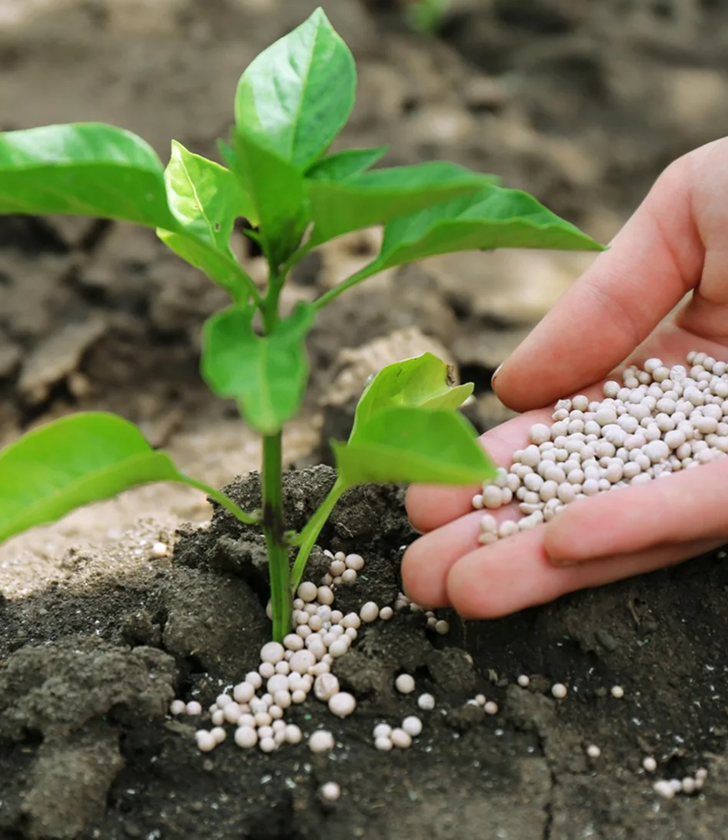
Fertilizing Your Scindapsus Jade Satin Variegated
Fertilization supports growth during spring and summer.
Best Fertilizer Types:
- Balanced liquid fertilizer (10-10-10 or 20-20-20)
- Diluted to ½ strength
Avoid winter fertilization when growth slows.
Overfertilization Warning Signs:
- Brown, crispy patches
- Leaf burn
- White crust on soil surface
Use sparingly for best results.
Understanding Leaf Curling in Variegated Scindapsus
Many Jade Satin owners panic when leaves curl, but in this plant:
Curling = communication.
Your Scindapsus Jade Satin Aurea Variegated curls when:
- Thirsty
- Heat-stressed
- Rootbound
- Receiving too much sun
Unlike other aroids, Jade Satin is “dramatic,” making curl patterns very easy to read.
9. TOXICITY & PET SAFETY — IMPORTANT FOR ALL SCINDAPSUS OWNERS
Why the Scindapsus Jade Satin Variegated Is Toxic to Pets
The Scindapsus Jade Satin Variegated, like all Scindapsus and pothos varieties, contains calcium oxalate crystals. These microscopic crystals can cause irritation and swelling when ingested.
Toxic to:
- Cats
- Dogs
- Rabbits
- Birds
This makes it essential to keep your Jade Satin Variegated Scindapsus out of reach of pets and children.
AIR-PURIFICATION QUALITIES — A BENEFICIAL AROID FOR YOUR HOME
How the Variegated Scindapsus Helps Improve Indoor Air Quality
Like its relatives in the pothos and Scindapsus family, the Jade Satin pothos variegated is commonly believed to help purify indoor air. It can potentially filter toxins such as:
- Benzene
- Formaldehyde
- Xylene
- Toluene
These pollutants often originate from flooring, furniture adhesives, carpets, and paints.
✔ Benefits of Having a Scindapsus Indoors:
- Enhances humidity
- Reduces minor airborne toxins
- Adds a calming visual effect
- Creates a lush, natural aesthetic
While plants contribute positively to indoor air quality, they should not be considered a substitute for proper ventilation or purifiers. Still, the Scindapsus Jade Satin Variegated enhances both atmosphere and aesthetics in any room.
CONCLUSION — WHY THE SCINDAPSUS JADE SATIN VARIEGATED IS WORTH THE HYPE
The Scindapsus Jade Satin Variegated is more than just a houseplant—it is a botanical statement piece. Its thick, velvety leaves, rich green tones, and luminous Aurea variegation make it one of the most visually striking Scindapsus varieties available today.
With the right care—bright indirect light, controlled watering, proper soil, good humidity, and occasional repotting—this plant rewards you with healthy, vibrant foliage year-round.
Its elegance, durability, and rarity make it ideal for:
- Home décor
- Office spaces
- Tropical plant enthusiasts
- Rare aroid collectors
- Import buyers seeking high-quality variegated Scindapsus
Whether you choose to let it trail gracefully or train it into a stunning vertical climber, the Scindapsus Jade Satin Variegated brings beauty, texture, and personality into any space.
FAQs
1. Why are my Scindapsus leaves curling?
Most likely underwatering. This species “dramatically curls” when thirsty. It may also curl from rootbound stress or low humidity.
2. Why do new leaves look deformed?
This is a key sign the plant is severely rootbound and requires repotting
3. Can this plant tolerate low light?
It survives but won’t thrive—variegation will fade and growth slows significantly.
4. How often should I repot?
Every 2–3 years, or sooner if leaves begin deforming or growth becomes stunted.
5. Is the plant safe around pets?
No. It’s toxic due to calcium oxalates. Keep it out of reach.
6. What soil is best?
A fast-draining mix of potting soil, peat moss, and perlite works best
7. Why is the top of my plant bald?
This is common with trailing plants. Use node pinning to encourage new top growth.
8. Can I grow this plant outside?
Only if temperatures stay above 65°F (18°C) and the plant is kept out of direct sunlight.
Ready to grow your indoor jungle? Shop our New Arrival Plant Collection and bring home rare beauties like the Scindapsus Jade Satin Variegated today.