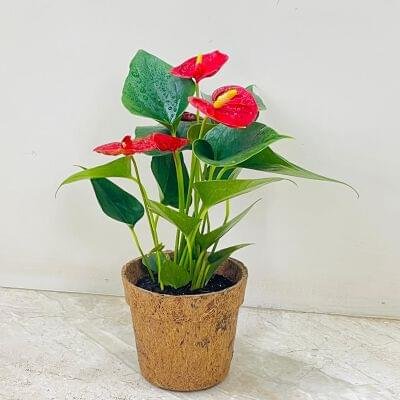
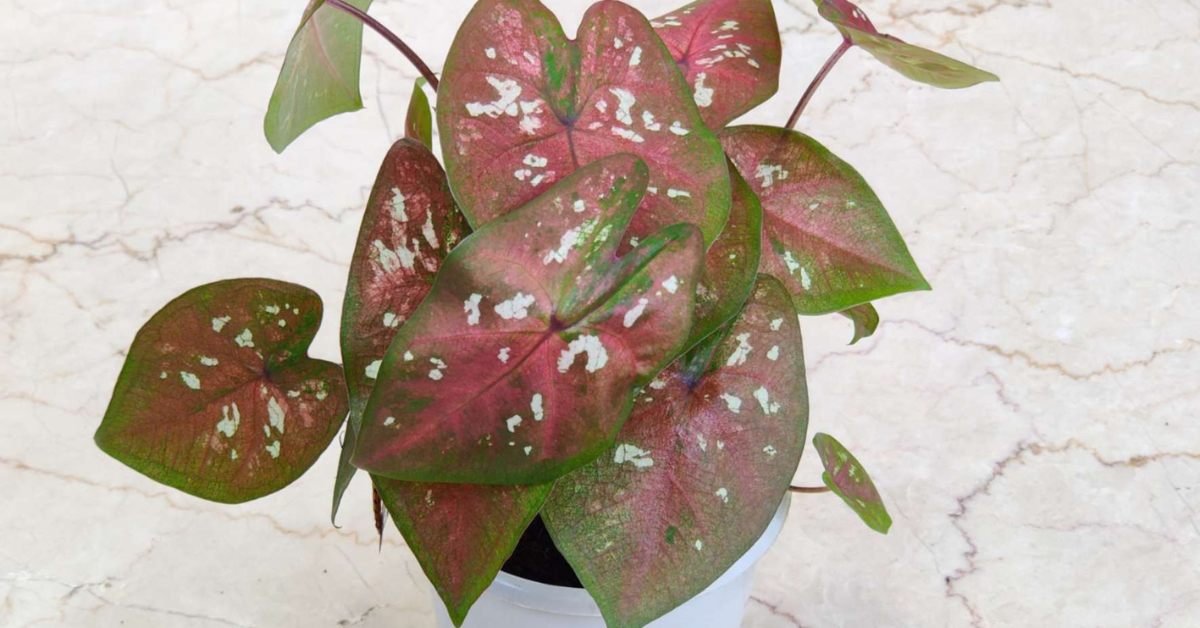
How to grow Caladium plants is one of the most common questions among plant lovers who are captivated by the dramatic leaves, vibrant colors, and tropical charm of Caladiums. These stunning foliage plants—flaunting heart-shaped leaves splashed with white, red, pink, and green—can instantly transform any indoor corner, shaded balcony, or garden bed into a lush, exotic retreat. If you’re looking for a plant that offers maximum visual impact with minimal maintenance, Caladiums are an exceptional choice.
To truly appreciate their full beauty, it’s important to understand how to grow Caladium plants the right way. This comprehensive guide covers everything you need to know—from essential Caladium care like light, water, soil, and humidity to advanced tips on pruning, propagation, potting, repotting, overwintering, pests, and problem-solving. Whether you’re growing Caladiums indoors or designing a colorful shade garden outdoors, mastering how to grow Caladium plants will help you achieve vibrant foliage, healthier growth, and long-lasting displays throughout the warm seasons.
Perfect for both beginners and seasoned gardeners, this guide gives you all the knowledge you need to grow thriving, eye-catching Caladiums with confidence. Let’s dive into the world of these tropical foliage beauties and explore exactly how to grow Caladium plants like a pro.
Why Your Home Needs a Caladium: The Tropical Plant That’s Easy to Love
Tired of plain green? Caladiums are the superheroes of foliage, offering a dazzling splash of color that instantly upgrades any corner of your home or garden. They’re not just beautiful; they’re also surprisingly simple to keep happy!
The Instant Aesthetic Boost
- Leaf Envy: Forget flowers—Caladiums are all about the leaves. They come in stunning, vibrant colors (think reds, pinks, whites, and greens) with patterns so intricate they look like they were hand-painted.
- Brighten the Shadows: Got a dim spot on your patio or in your living room? Caladiums thrive in the shade, where their brilliant colors really pop, transforming a dull area into a lively tropical haven.
- Total Versatility: Whether you want to plant them in a garden bed, mix them into your outdoor pots, or keep them as a stunning indoor specimen, Caladiums fit right in.
Friendly for Beginners & Busy Bees
- Set It and Forget It (Mostly): These plants are incredibly low-maintenance. They don’t demand constant attention, making them a fantastic choice if you’re new to gardening or just have a busy schedule.
- Pest-Proof Perks: Gardeners rejoice! Deer and most common garden pests tend to leave Caladiums alone, so you can worry less about damage.
- Grow Your Collection: Want more? Caladiums are a cinch to multiply from their tubers, making it easy and fun to share them with friends or fill more space.
Health and Vibe Benefits
- Breathe Easier: Just like other houseplants, Caladiums help clean your air by naturally filtering out common indoor toxins, contributing to a healthier living space.
- Instant Vacation Vibe: Their lush, dramatic leaves instantly bring a touch of the tropics right to your doorstep, making every day feel a little more like a getaway.

Common Name: Caladium, elephant ears
Botanical Name: Caladium spp.
Family: Araceae
Plant Type: Tropical perennial
Mature Size: 12–30 in. tall, 12–24 in. wide
Sun Exposure: Indirect light (indoors), full to partial shade (outdoors)
Soil Type: Rich, well-drained
Soil pH: Acidic (5.5-6.2)
Native Area:Central America, South America
Toxicity: Toxic to people and pets
Caladium Care
Learning how to grow Caladium plants begins with understanding their basic care requirements: light, soil, water, temperature, humidity, and feeding.
Light
To master how to grow Caladium plants indoors or outdoors, start with proper light:
- Caladiums prefer bright, indirect light or moderate shade.
- Outdoors, give them partial to full shade.
- Indoors, a north or east-facing window is ideal.
- Avoid harsh direct sun—it scorches the leaves.
Soil
An important part of understanding how to grow Caladium plants is selecting the right soil:
- Use rich, well-draining, slightly acidic soil (pH 5.5–6.2).
- A mix of peat and potting soil is excellent for containers.
- Proper drainage prevents root rot, a common issue in Caladiums.
Fertilizer
Feeding is essential to fully understand how to grow Caladium plants:
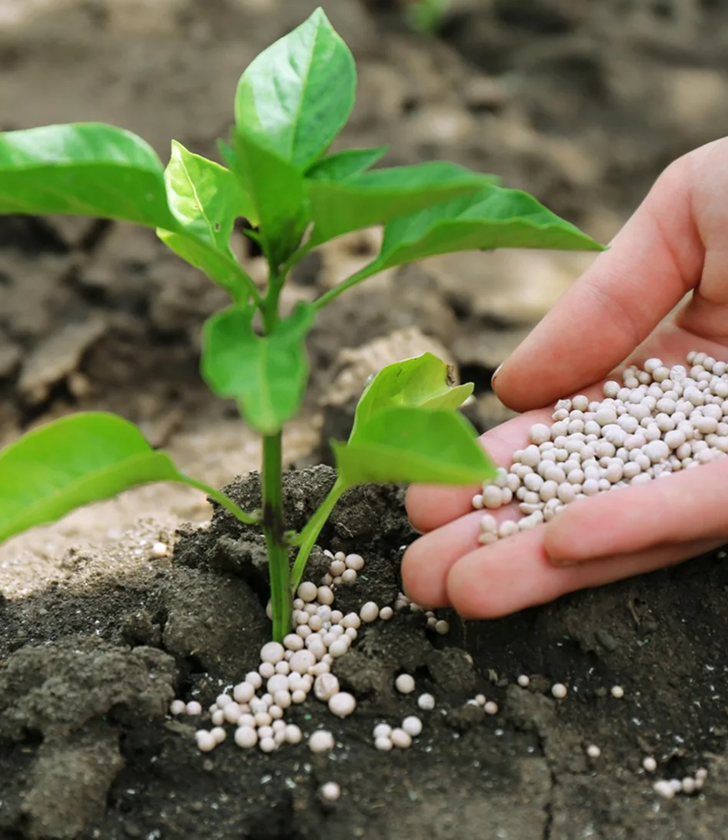
- Fertilize every two weeks with liquid fertilizer, or
- Use slow-release fertilizer pellets at planting.
Water
Watering plays a major role in how to grow Caladium plants successfully:
- Keep soil consistently moist once leaves appear.
- Do not let the soil fully dry out—leaves may yellow and drop.
- Outdoor Caladiums may need daily watering in summer.
- Reduce water during fall as the plant enters dormancy.
Temperature and Humidity
When learning how to grow Caladium plants, note that they love heat and humidity:
- Daytime temperature: 70–75°F (21–24°C)
- Nighttime temperature: 60–65°F (15–18°C)
- Maintain high humidity, especially indoors.
- Start tubers indoors 4–6 weeks before the last frost.
Pot Size and Drainage
A key tip in how to grow Caladium plants in pots:
- Pick pots with good drainage.
- Use containers 6 inches deep or more.
- Choose a pot only 1–2 inches wider than the tubers.
Seasonal Care Changes
To properly follow how to grow Caladium plants year-round:
- Spring–Summer: Moist soil, indirect light, regular feeding
- Fall: Reduce watering
- Winter: Dormancy period—minimal moisture and no fertilizer
Types of Caladium
Knowing different varieties helps you choose the right plant while learning how to grow Caladium plants.
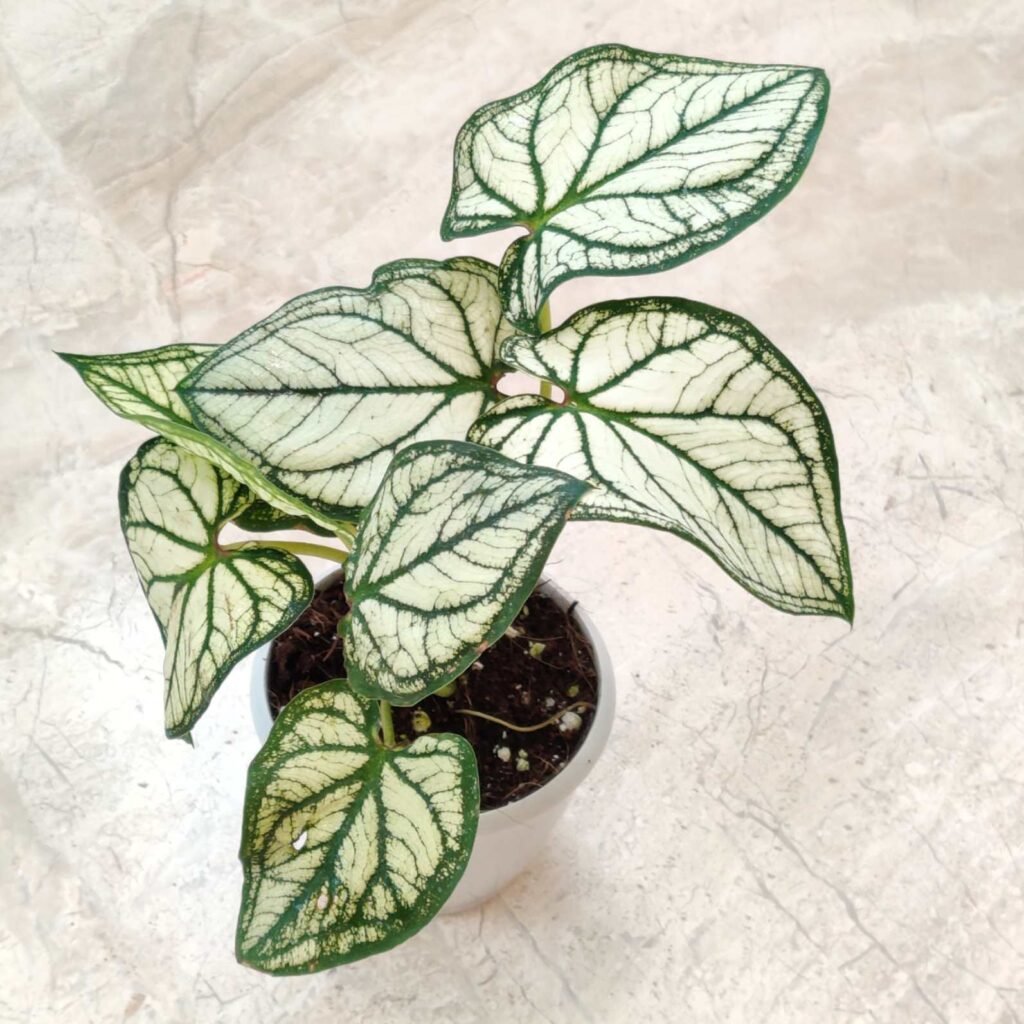
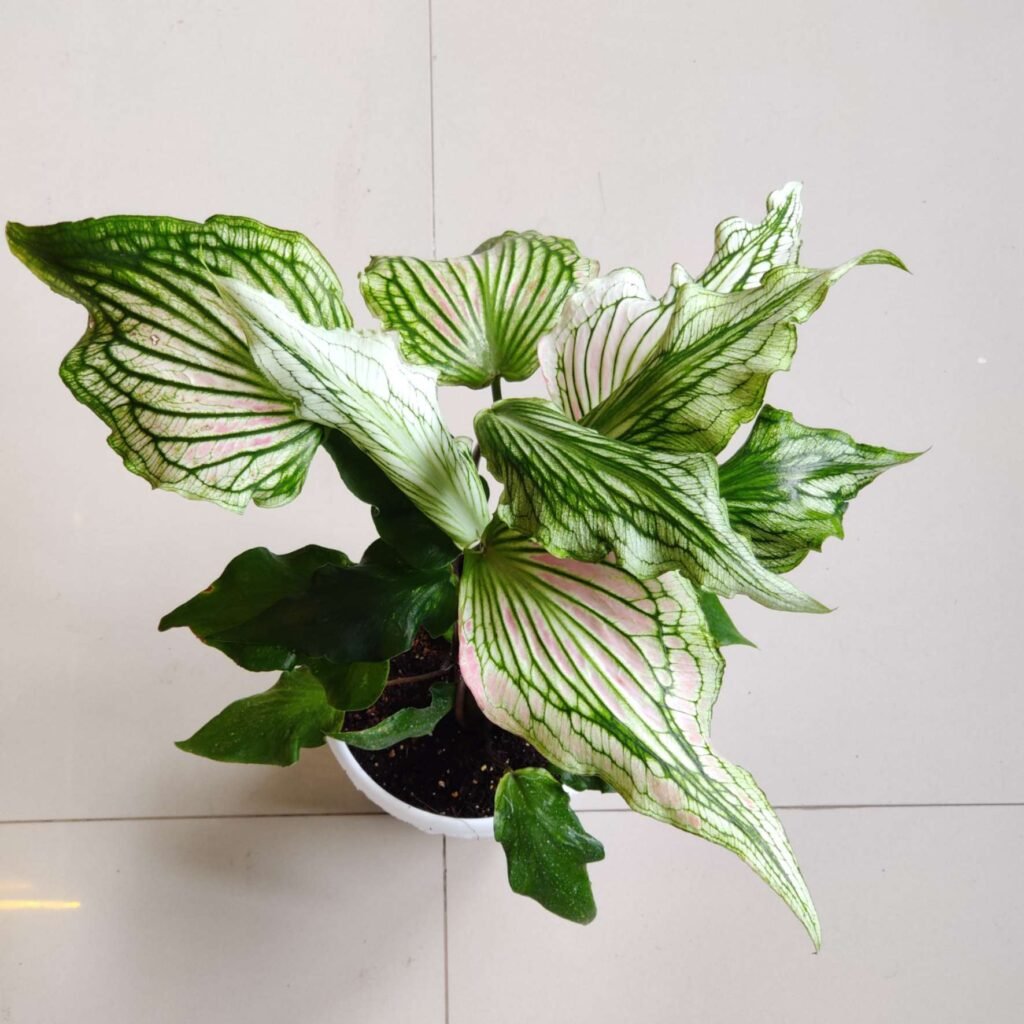
Caladium ‘White Star’
Large white leaves with soft pink veins—great for brightening shady corners.
Caladium Green Thumb Thai
A tropical variety known for vibrant coloration and energetic growth.
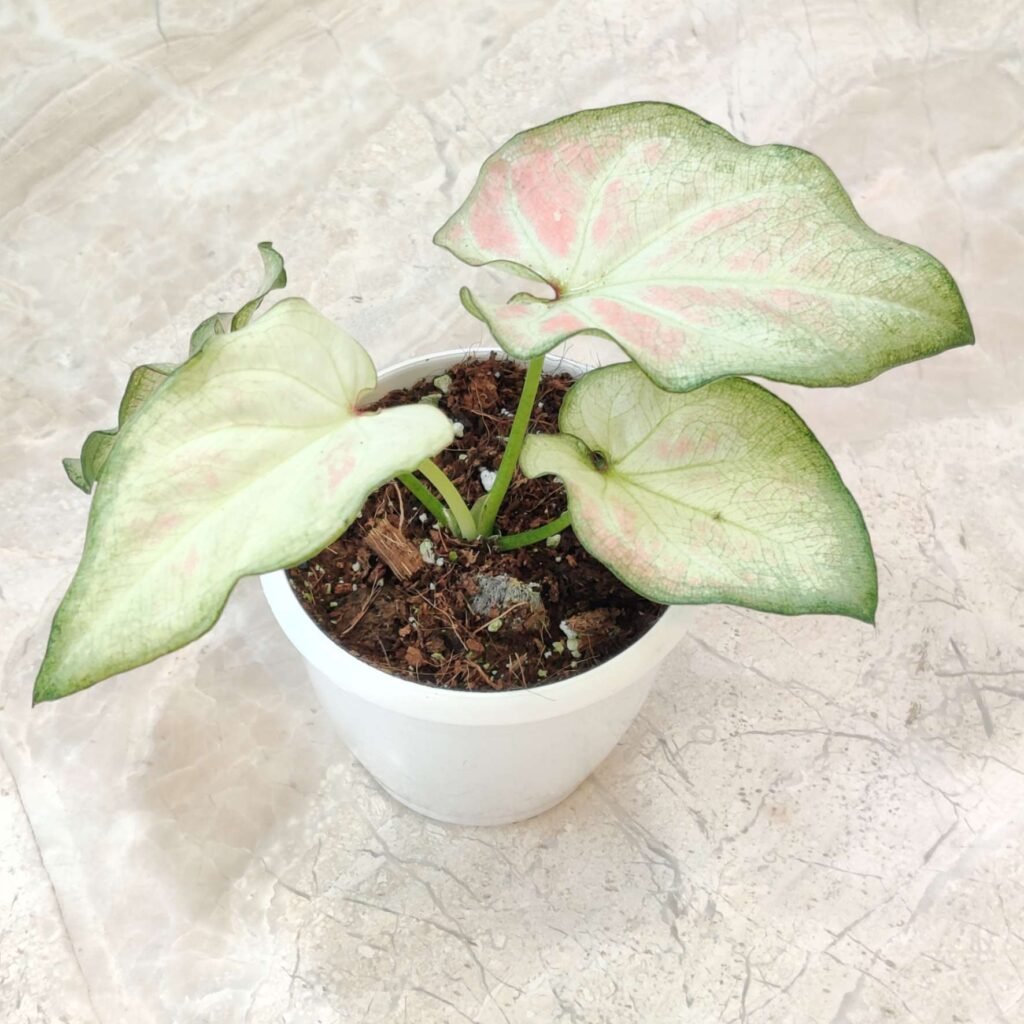
Caladium ‘Debutante’
Creamy leaves with soft pink centers—ideal for soft, elegant displays.
Fancy-Leaf vs. Strap-Leaf Caladiums
Understanding leaf types is part of how to grow Caladium plants:
- Fancy-leaf: Large, heart-shaped leaves; prefer shade
- Strap-leaf: Narrow leaves; can tolerate more sun
Rare and Hybrid Caladiums
New hybrids enhance:
- Color intensity
- Sun tolerance
- Leaf durability
- Overall longevity
Pruning Caladium
When to Prune
While learning how to grow Caladium plants, remember they need minimal pruning:
- Prune only damaged or dying leaves during the growing season.
How to Prune Safely
- Use sterile scissors.
- Cut leaves at the base.
- Remove spathes (flowers) to boost leaf growth.
Encouraging New Growth
Regular removal of old leaves helps maintain healthier foliage.
Propagating Caladium
Propagation is an important part of how to grow Caladium plants long-term.
Division of Tubers
The easiest and most reliable way:
- Allow foliage to die back.
- Lift tubers after soil dries.
- Store at ~55°F in a dry, dark place.
- In late winter, divide tubers ensuring each has an “eye.”
- Let cuts callus for 1 week.
- Replant when soil reaches 70°F (21°C).
Growing from Bulbs
- Plant tubers 2 inches deep with eyes facing upward.
- Space larger tubers further apart.
Water Propagation (Not Recommended)
Caladiums cannot be propagated in water because tubers rot easily.
Potting and Repotting Caladiums
Choosing the Right Pot
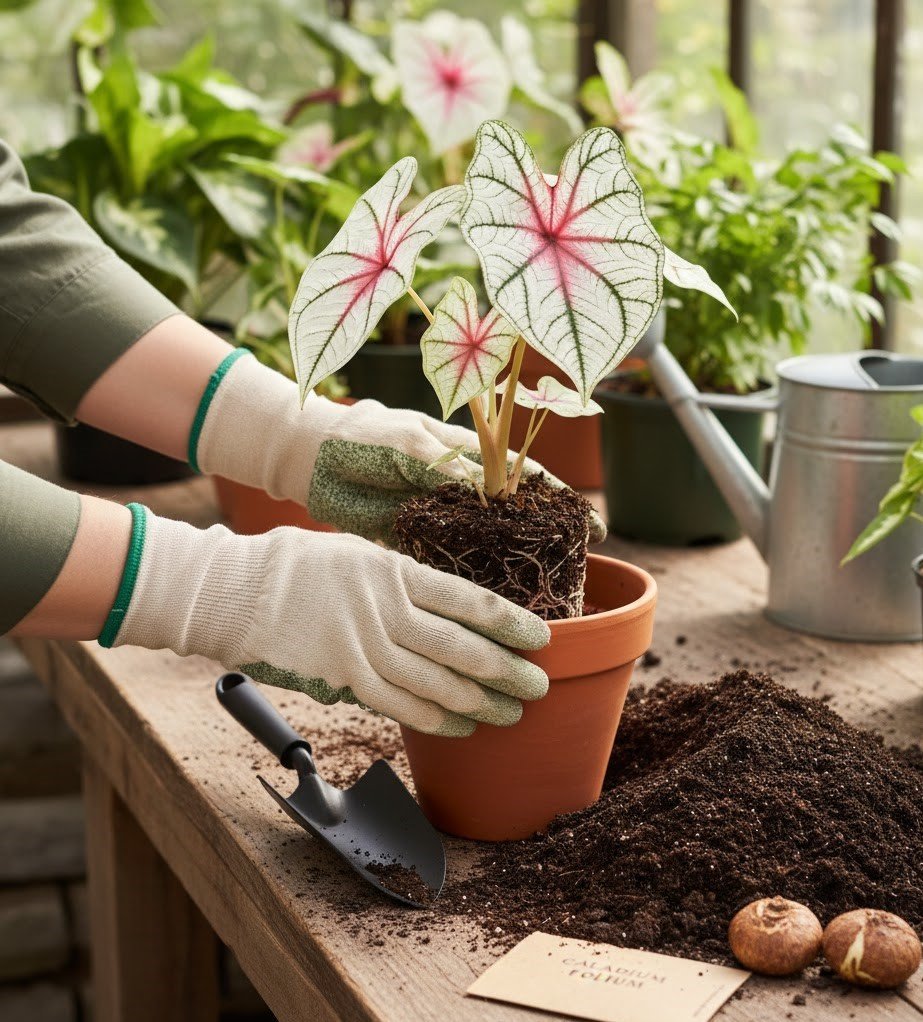
When learning how to grow Caladium plants in pots, choose:
- Containers with multiple drainage holes
- Pots sized just slightly larger than the tuber cluster
Best Potting Mix
- Use peat + potting soil, adding perlite if needed.
When and How to Repot
- Repot in early spring before new growth emerges.
Transitioning From Dormancy
- Move stored tubers to warmth.
- Provide light moisture until sprouting begins.
Overwintering
Overwintering is a key part of how to grow Caladium plants in colder climates.
Indoor Overwintering Steps
- Reduce watering as leaves fade.
- Keep pots in a warm, dry place indoors.
Storing Caladium Bulbs
- Dig up tubers in cold climates.
- Store in peat or newspaper at 55°F.
- Keep in a dark, dry area.
Restarting Growth
- Replant when temperatures warm.
- Resume watering and feeding.
Common Pests
Pest management is an essential part of learning how to grow Caladium plants successfully. Because Caladiums have soft, tender foliage, they can occasionally attract sap-sucking insects. Identifying pests early helps prevent leaf damage, discoloration, and stunted growth.
Spider Mites
These tiny pests thrive in dry indoor air and often go unnoticed until leaf damage becomes visible.
Signs to look for:
- Fine, silky webs on leaf undersides
- Speckled, faded, or dusty-looking foliage
- Leaves losing color or turning dull
Impact:
Spider mites suck chlorophyll, weakening the plant and reducing its vibrant colors.
Mealybugs
Mealybugs are one of the most common pests affecting Caladiums.
Signs to look for:
- Soft, white, cotton-like clusters on stems and leaf nodes
- Sticky residue (honeydew) on leaves
- Stunted or distorted growth
Impact:
They feed on plant sap, causing leaf yellowing and weakening the plant over time.
Aphids
Aphids commonly target tender new growth, especially during early spring or warm humid conditions.
Signs to look for:
- Small green, black, or brown insects clustering under leaves
- Sticky honeydew on foliage
- Curled or deformed new leaves
Impact:
Their rapid reproduction can lead to quick infestations if not controlled.Thrips & Whiteflies
These tiny flying insects can cause serious leaf discoloration if left untreated.
Signs to look for:
- Silvery streaks or patches on leaves
- Tiny black spots from thrip droppings
- Whiteflies flying up when the plant is disturbed
Impact:
Both pests drain plant sap, weakening the plant and affecting its variegation.
Preventive Care for Caladium Pest Control
To effectively manage pests as part of your routine Caladium care, follow these preventive steps:
Maintain High Humidity
Spider mites thrive in dry air. Increasing humidity helps prevent infestations and supports healthier foliage.
Inspect Regularly
Check both sides of the leaves weekly—early detection makes treatment easier. Pay special attention to young leaves and the base of the plant.
Use Insecticidal Soap
At the first sign of pests:
- Spray the entire plant with insecticidal soap or
- Use neem oil as a natural preventive treatment
Repeat every 7–10 days until pests disappear.
Quarantine New Plants
If you’re expanding your Caladium collection, isolate new plants for a week before placing them near existing ones.
Keep Leaves Clean
Wipe foliage gently with a damp cloth to remove dust, pests, and eggs.
Improve Air Circulation
Place your Caladiums in a well-ventilated space to prevent pest buildup on damp leaves.
Common Problems With Caladium
Troubleshooting is essential in learning how to grow Caladium plants successfully.
Drooping Leaves
Caused by underwatering, heat stress, or natural aging.
Yellowing Leaves
May result from:
- Overwatering
- Too much sun
- Underwatering
- Nutrient deficiencies
Brown Edges
Usually due to:
- Low humidity
- Direct sunlight
- Over-fertilizing
Faded Variegation
Indicates insufficient indirect light.
Root Rot
Caused by poor drainage or overly wet soil.
Pest Damage Symptoms
Look for:
- Sticky residue
- Speckles
- Webbing
- Holes from caterpillars or grasshoppers
Conclusion
Understanding how to grow Caladium plants comes down to creating the warm, tropical conditions these stunning foliage plants naturally love. When you provide your Caladiums with bright indirect light, consistently moist but well-drained soil, and the right temperature and humidity, they reward you with bold, vibrant leaves all season long. Mastering Caladium care—from watering routines and soil requirements to seasonal dormancy and overwintering—is the key to maintaining healthy, colorful growth year after year.
Whether you’re growing Caladiums indoors or outdoors, in pots or in the garden, following the steps in this guide will help you cultivate lush foliage and avoid common issues like yellowing leaves, sunburn, or root rot. With the right care techniques, proper fertilizing habits, and timely pruning, you can confidently grow Caladium plants that stay beautiful throughout the entire growing season.
If you’re ready to brighten your home or garden with tropical color, start applying these tips today and enjoy the satisfying experience of successfully learning how to grow Caladium plants like a pro.
FAQs
1. What is the best way to grow Caladium plants for beginners?
The best way to grow Caladium plants is to provide bright, indirect light, consistently moist soil, warm temperatures (70–75°F), and high humidity. Beginners should start with healthy tubers, plant them 2 inches deep with the eyes facing upward, and keep the soil slightly moist until sprouts appear.
2. Do Caladiums need sun or shade?
For anyone learning how to grow Caladium plants, shade is essential. Caladiums thrive in partial to full shade outdoors and bright, indirect light indoors. Direct sunlight can scorch or fade the foliage.
3. How often should I water Caladium plants?
You should water Caladiums whenever the top layer of soil begins to feel slightly dry. To grow Caladium plants successfully, keep the soil consistently moist, especially during the growing season. Avoid letting the soil dry out or stay soggy.
4. What type of soil is best for Caladiums?
To grow Caladium plants well, use rich, well-draining, slightly acidic soil (pH 5.5–6.2). A potting mix blended with peat is ideal because it holds moisture while still allowing excess water to drain.
5. Can I grow Caladium plants indoors?
Yes. If you want to grow Caladium plants indoors, place them near a north- or east-facing window, maintain high humidity, use warm temperatures, and keep the soil evenly moist. Indoor Caladiums require protection from harsh direct sunlight.
6. How do I propagate Caladium plants?
The easiest way to propagate Caladium plants is by dividing their tubers. Each tuber section must have at least one “eye.” After cutting, allow tubers to callus for a week before replanting.
7. When do Caladium plants go dormant?
Caladiums naturally go dormant in fall or early winter. Leaves will begin to yellow and die back. Reduce watering at this stage—this is a normal part of the Caladium growth cycle.
8. How do I overwinter Caladium bulbs?
To grow Caladium plants annually, dig up the tubers at the end of the growing season (if you live in a cold climate), let them dry, and store them in peat or newspaper at around 55°F in a dry, dark place. Replant them in spring.
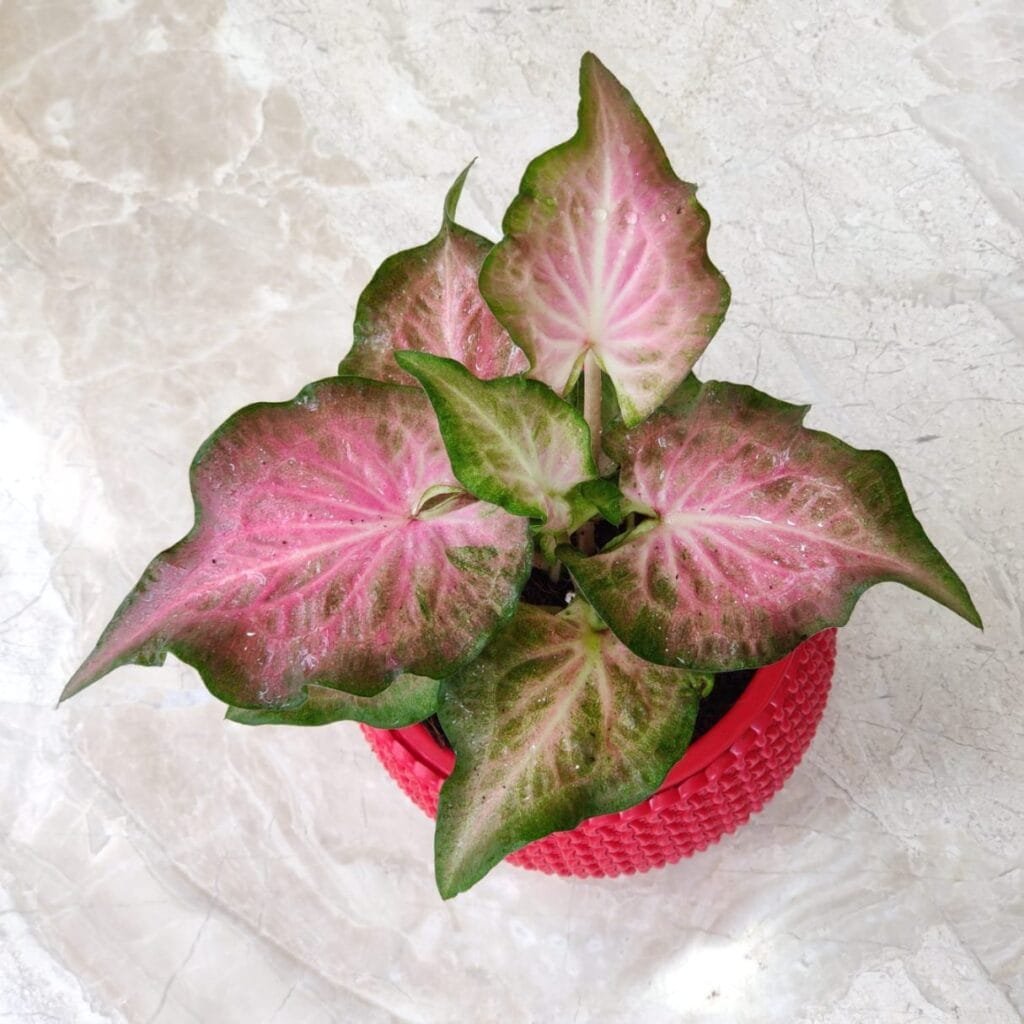
Bring your Caladium garden to life with the right plants and the right tools. Now that you know how to grow Caladium plants the right way—with proper light, water, soil, and seasonal care—take the next step toward creating a lush, colorful display.
Browse our Caladium Variety and choose the perfect foliage for your home or garden.