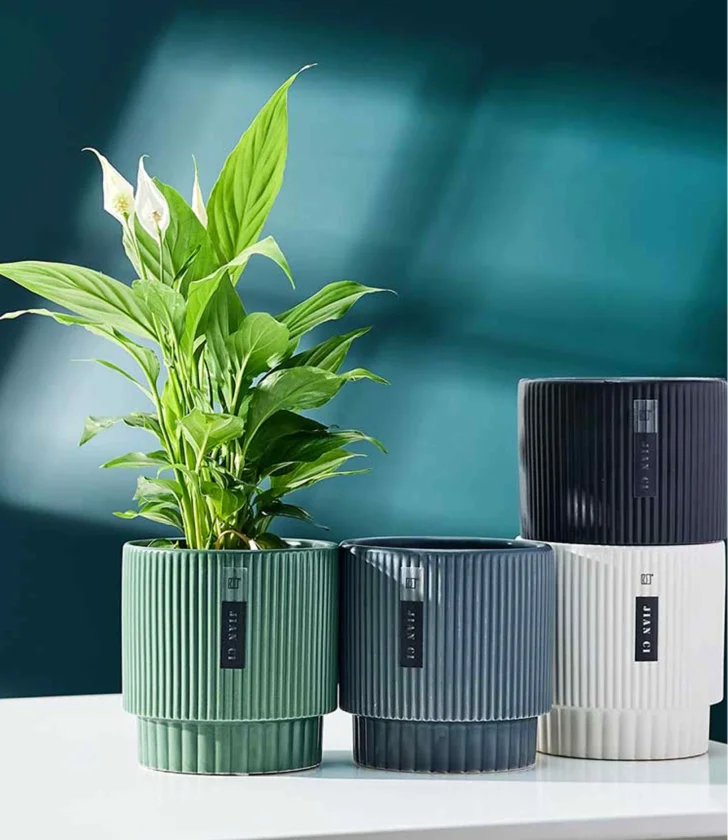
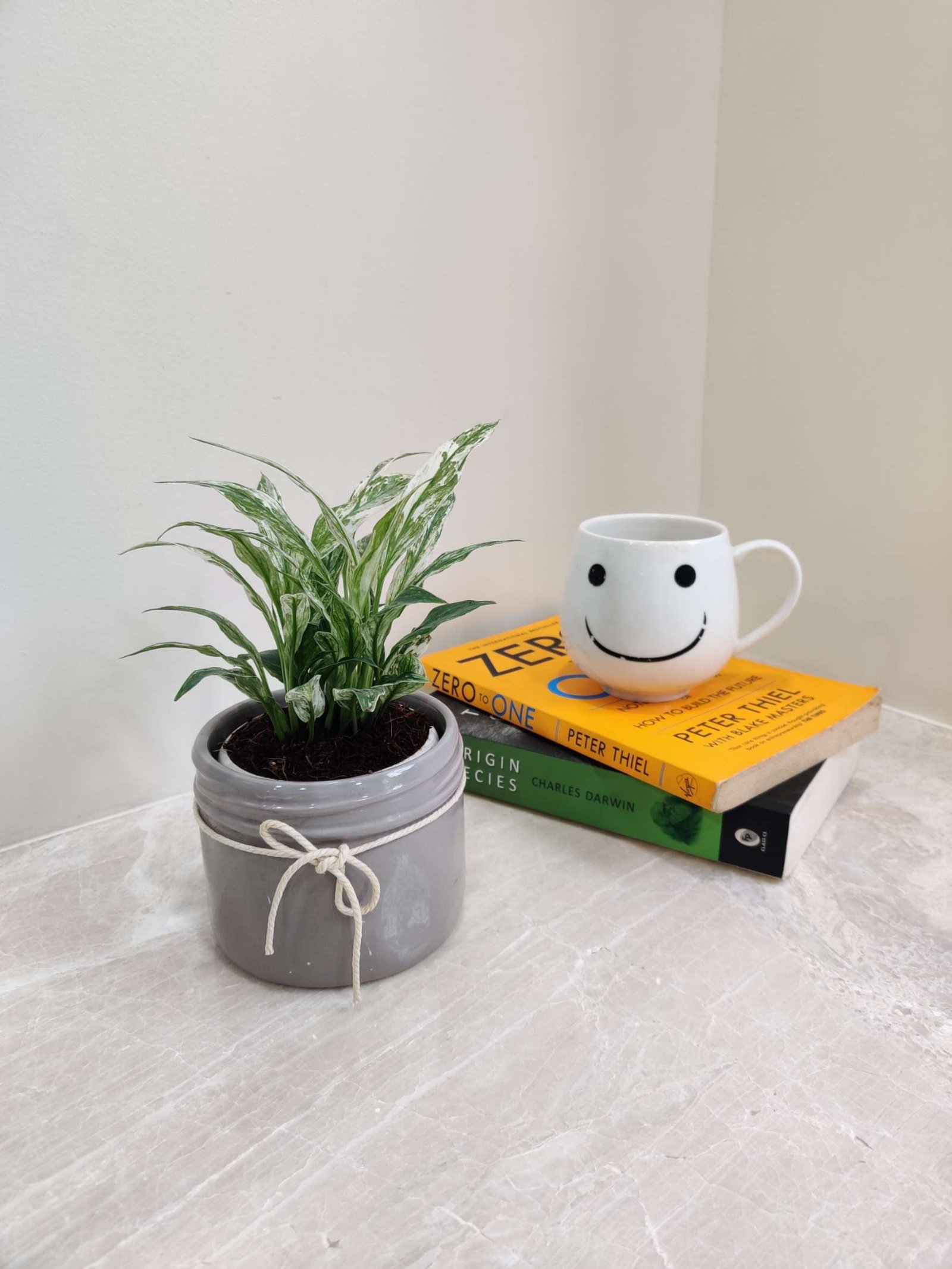
When it comes to indoor plants, few match the elegance and functionality of the Peace Lily (Spathiphyllum). Renowned for its lush green leaves, striking white blooms, and numerous health benefits, the Peace Lily is an all-in-one solution for beautifying your home while enhancing its indoor environment.
Let’s explore why the Peace Lily deserves a place in your home.

Peace lilies are among the most popular indoor flowering plants, loved for their elegant white blooms and ability to thrive in low-light conditions.
A Natural Air Purifier
The Peace Lily is more than just a pretty plant. NASA has endorsed its air-purifying qualities, highlighting its ability to remove harmful toxins like formaldehyde, benzene, and carbon monoxide from the air. These common indoor pollutants, often released by household items such as paints, varnishes, and furniture, can negatively impact your health. Adding a Peace Lily to your home helps create a cleaner, healthier living space.
Improves Sleep and Promotes Positive Energy
Want to sleep better? Place a Peace Lily in your bedroom. This plant not only filters the air but also fosters a calming and tranquil environment. Often referred to as a symbol of peace, it can uplift your mood, reduce stress, and infuse your home with positive energy.
Combats Mold and Fungi
Damp areas like kitchens and bathrooms are breeding grounds for mold and fungus. Peace Lilies are highly effective at reducing these harmful microorganisms, making them perfect for such spaces. Whether placed near seldom-used containers or in corners prone to dampness, the Peace Lily helps keep mold at bay while promoting a healthier environment.
Alleviates Allergens and Respiratory Issues
The Peace Lily can also tackle allergens that lead to eye infections, throat irritations, and respiratory problems. By eliminating airborne pathogens and irritants, this plant reduces the likelihood of issues like coughs and asthma, helping you breathe easier.
Easy to Care for and Versatile

Peace Lilies thrive in both water and soil, making them incredibly versatile. They prefer indirect light, occasional watering, and light fertilization every 15-20 days. Whether you choose to grow them in a pot or display them in a decorative water jar, they’re sure to enhance your home’s aesthetic.
Care Tips for Peace Lilies
Watering
Water when the top inch of soil feels dry. Peace lilies prefer moist soil but can be harmed by overwatering.
Light
Place in a bright spot out of direct sunlight. Peace lilies can tolerate most light levels but prefer indirect light.
Humidity
Peace lilies prefer humidity levels above 50%. In dry rooms, you can use a humidifier or humidity tray.
Fertilizing
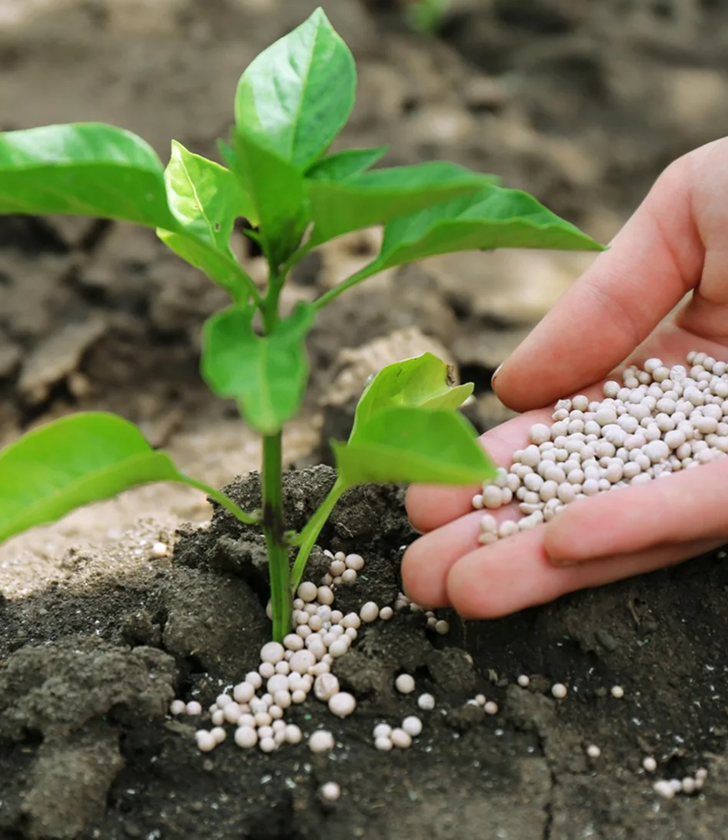
Feed with a liquid fertilizer every two months during the spring and summer. Stop fertilizing in the fall and winter.
Repotting
Repot in spring using houseplant compost. You can repot when the roots start to stick out of the bottom of the pot or the bottom of the pot buckles. Peace lilies prefer to be root bound, so there’s no need to rush to repot.
Pruning
Prune to remove yellow leaves, dead leaves, or spent flowers. Use clean, sharp pruners.
Cleaning
Wipe the leaves with a damp cloth to keep them fresh.
Toxicity
Peace lily leaves can cause vomiting or swelling of the tongue if ingested.
Aesthetically Pleasing Decor
The Peace Lily’s broad, vibrant green leaves and elegant white blooms make it a stunning addition to any home. Whether placed in the living room, bedroom, or bathroom, its beauty effortlessly elevates your interior decor. You can enhance the visual appeal of your peace lily by adding decorative pebbles for plants, giving your indoor setup a clean and modern look.
Why You Should Consider a Peace Lily
In summary, the Peace Lily isn’t just an attractive indoor plant—it’s a powerhouse for wellness. It purifies the air, promotes better sleep, combats mold, reduces allergens, and adds a touch of elegance to any space. With minimal care requirements, it’s the perfect plant for novice and experienced gardeners alike.
So, if you’re looking to improve your home’s ambiance and health, a Peace Lily is an excellent choice.
Potting Your Peace Lily

- Choosing the Right Pot:
Opt for clay pots with drainage holes to ensure proper air circulation and prevent waterlogging. Clay pots help maintain a balanced moisture level in the soil, which is vital for healthy root development.Pair your peace lily with premium ceramic planters to elevate your home décor effortlessly. - Preparing the Soil:
Peace Lilies thrive in a nutrient-rich, well-draining soil mix. Create your own blend with:
- 60% garden soil
- 20% compost (vermicompost or garden compost)
- 20% coco peat Add a handful of groundnut powder as a natural antifungal agent for extra protection.
- Transplanting the Plant:
Transfer the Peace Lily from its nursery pot to the prepared soil in a larger pot. After planting, water thoroughly until excess water drains out, ensuring the soil is evenly moist.
Fertilizing and Maintenance
- Fertilization:
Feed your Peace Lily with organic compost every three months. Compost made from kitchen waste works wonders in boosting plant health. - Pruning and Grooming:
- Remove yellowing or brown leaves to maintain a neat appearance.
- Use clean tools to prevent the spread of diseases.
Propagation and Problem-Solving
Propagation Through Root Division:
- Carefully remove the plant from its pot and gently separate the roots to create new plants.
- Each new division should have its own root system and can be planted in a separate pot.
Troubleshooting Common Issues:
- Brown Leaf Tips: Overwatering or high fluoride levels in water can cause this. Adjust watering frequency and use filtered water if necessary.
- Yellowing Leaves: This can result from overwatering, nutrient deficiency, or extreme temperatures.
- Pest Prevention: Peace Lilies are naturally resistant to most pests, but proper care minimizes risks further.

Safety Note
Peace Lilies are mildly toxic if ingested. Keep them out of reach of pets and small children to avoid any health issues.
Conclusion
With these simple tips, you can enjoy the beauty and benefits of a Peace Lily in your home or office. Their charm, coupled with their functional benefits, makes them a must-have plant for any indoor space.
Start your gardening journey today with Peace Lilies, and transform your living space into a lush, green haven! For beginners, following a complete plant care and ordering guide can help ensure your peace lily stays healthy and thriving.
Start your journey toward a healthier, more beautiful home today with the Peace Lily!
FAQs
What are the health benefits of keeping a Peace Lily indoors?
Peace Lilies purify air by removing toxins like formaldehyde and carbon monoxide, improve sleep quality, and create a peaceful, positive atmosphere.
How do Peace Lilies enhance indoor air quality?
They reduce mold and fungus, especially in damp areas like bathrooms and kitchens, helping prevent respiratory issues and infections.
Where should you place a Peace Lily at home?
Ideal spots include the living room, bedroom, kitchen, and bathroom. They also combat mold behind curtains or in unused containers.
Can Peace Lilies grow in water as well as soil?
Yes, they thrive in both. Change water every 15-20 days or use liquid fertilizer for soil-grown plants.
Why are Peace Lilies popular houseplants?
With vibrant green leaves and elegant white flowers, they enhance decor while improving air quality and overall wellness.
How do Peace Lilies create a positive home environment?
They symbolize peace, reduce stress, and promote a calming atmosphere.
Can Peace Lilies cure airborne ailments?
While not a cure, they reduce allergens and irritants, lowering the risk of respiratory problems.
How do Peace Lilies support holistic wellness?
They purify air, reduce mold, improve sleep, and add positive energy, promoting a healthier home and well-being.