Why Stone Sculptures Are More Relevant Than Ever
Walk into any thoughtfully designed home today, and you’ll notice a shift. Spaces are no longer just styled—they are curated with intention. Materials matter. Meaning matters.
And in this shift, stone sculptures have quietly become one of the most powerful décor elements in Indian homes.
Unlike artificial décor that fades with trends, stone carries something deeper—permanence, history, and presence. Whether placed in a garden, balcony, or even a living room corner, it has the ability to slow down a space and anchor it.
In 2026, as homeowners move toward natural, sustainable, and mindful living, stone sculptures are no longer just decorative pieces—they are design essentials.
The Ancient Roots of Stone Sculpture in India
India’s relationship with stone carving goes back over 2,000 years, making it one of the oldest artistic traditions in the world.
Early artisans didn’t just carve for beauty—they carved to communicate ideas beyond words.
- The earliest Buddhist art used symbols like the Bodhi tree and Dharmachakra
- The Gupta period refined human sculpture into divine proportions
- The Pala Empire introduced intricate and symbolic stone carvings
- Temple architecture across India elevated stone into storytelling
Stone was never just a material—it was a medium of philosophy, spirituality, and expression.
Today, when you place a stone sculpture in your home, you are not just decorating—you are continuing a legacy.
Why Stone Sculptures Are Perfect for Modern Homes
1. Built for Indian conditions
India’s climate can be harsh—heat, rain, dust. But stone remains unaffected.
It:
- Doesn’t fade like painted décor
- Doesn’t crack easily
- Ages beautifully over time
A stone sculpture you place today can last for decades.
2. A natural, premium aesthetic
Stone brings something unique to a space:
- Texture
- Weight
- Visual balance
In a garden filled with greenery, it creates contrast. Indoors, it adds a grounded, calming presence.
3. A truly eco-friendly décor choice
Unlike synthetic materials, stone:
- Requires minimal processing
- Contains no chemicals
- Is completely natural
As more Indian consumers shift toward sustainable living, stone becomes an obvious choice.
4. Cultural and symbolic meaning
Stone sculptures in India are never just decorative.
Common forms include:
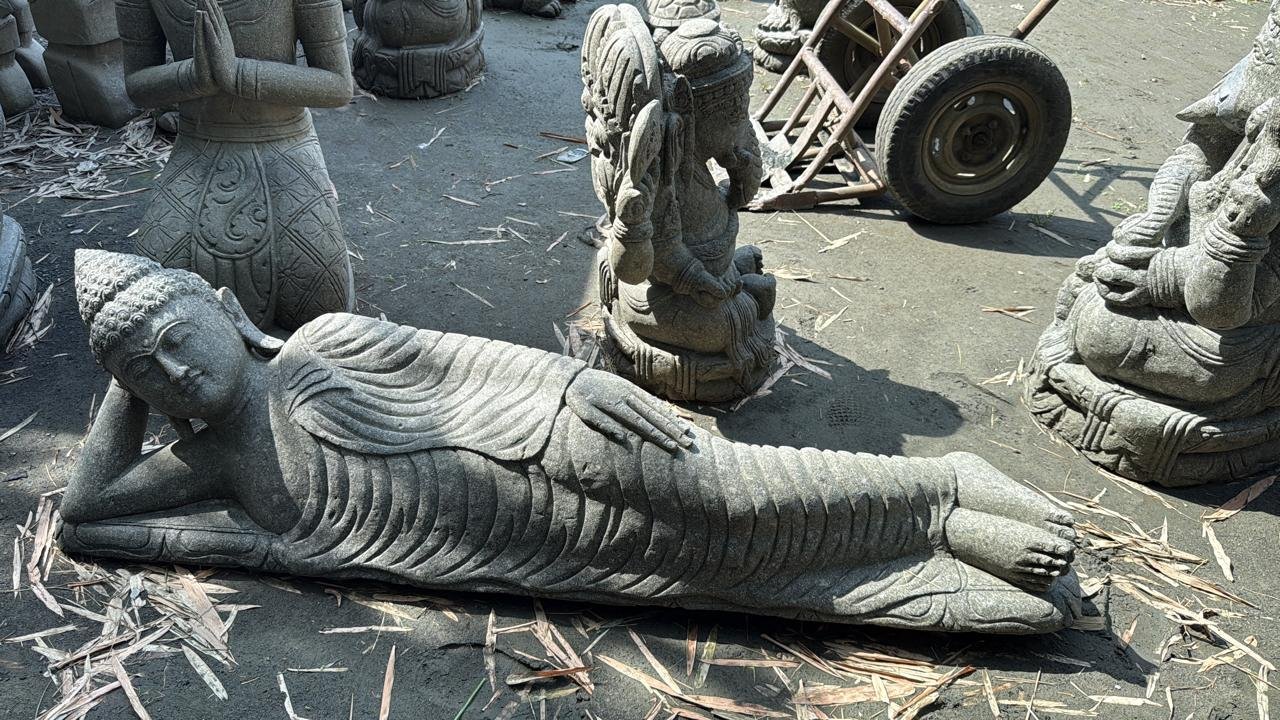
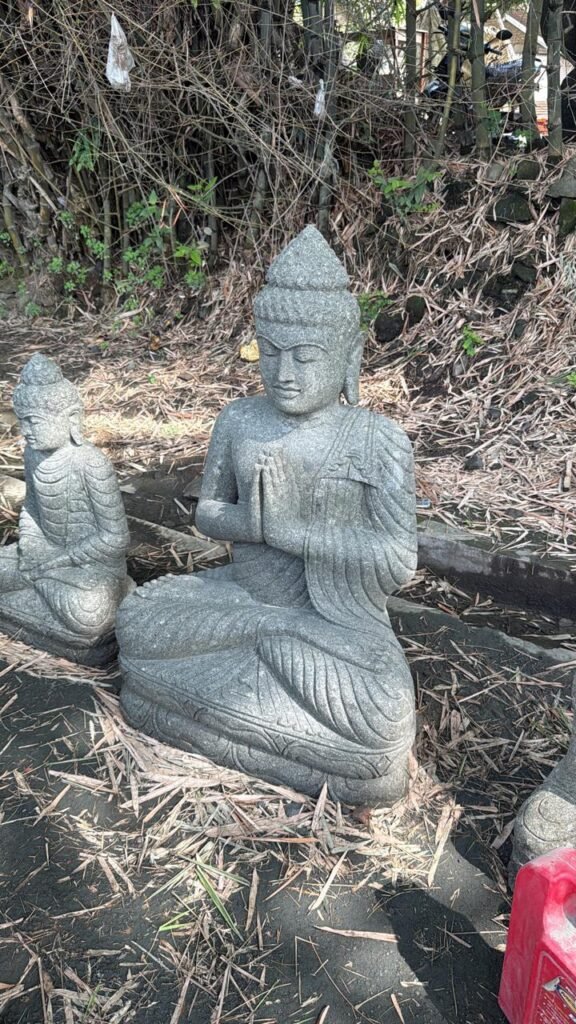
- Buddha → peace and mindfulness
- Ganesha → prosperity and beginnings
- Tortoise → stability and longevity
These meanings subtly influence the atmosphere of your space.
5. Works across all design styles
Stone adapts effortlessly to:
- Traditional Indian homes
- Modern apartments
- Balcony gardens
- Office interiors
Its neutral tones make it versatile and timeless.
Explore the Stone Sculptures 2026 Collection
If you’re looking to bring this timeless material into your space, you can explore the curated collection here:
This collection by Sanjay Nursery – CAPPL blends traditional craftsmanship with modern usability—perfect for both home and garden styling.
Types of Stone Sculptures for Every Space
Spiritual and devotional sculptures
These are the most popular choices in Indian homes.
- Buddha statues
- Ganesha idols
- Lakshmi sculptures
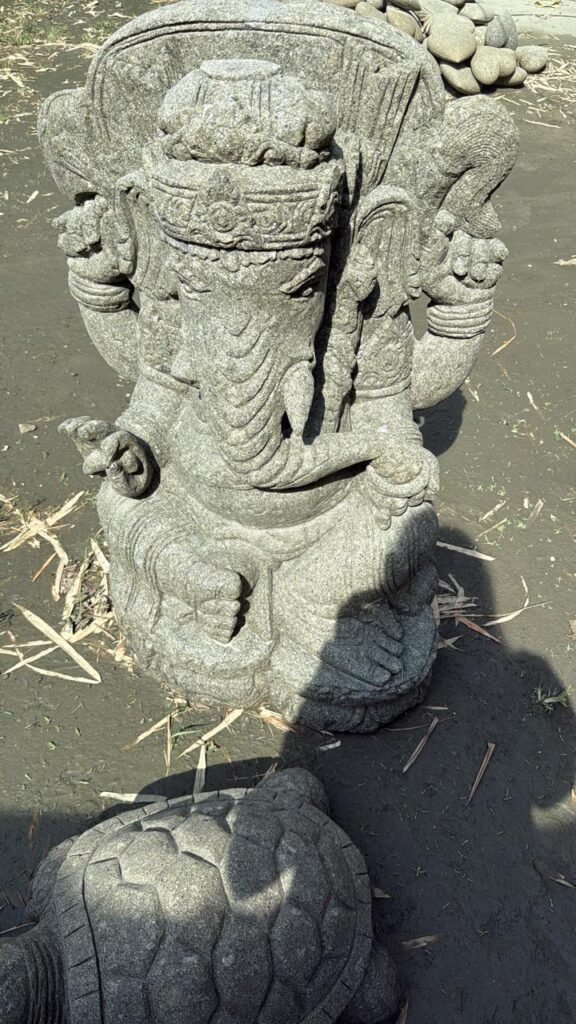
Best suited for:
- Entrance areas
- Meditation corners
- Indoor décor
They create a sense of calm and positivity.
Animal and nature-inspired sculptures
Inspired by traditional Indian motifs, these include:
- Elephants
- Birds
- Tortoises
Ideal placement:
- Garden pathways
- Near water features
- Outdoor landscapes
They bring movement and storytelling into your space.
Abstract and modern sculptures
For contemporary homes, abstract designs are perfect.
- Geometric forms
- Stone spheres
- Minimal carvings
Best for:
- Modern apartments
- Office spaces
- Minimalist interiors
They act as subtle focal points without overwhelming the space.
Planter-integrated sculptures
One of the biggest trends of 2026.
These combine:
- Sculpture + planting space
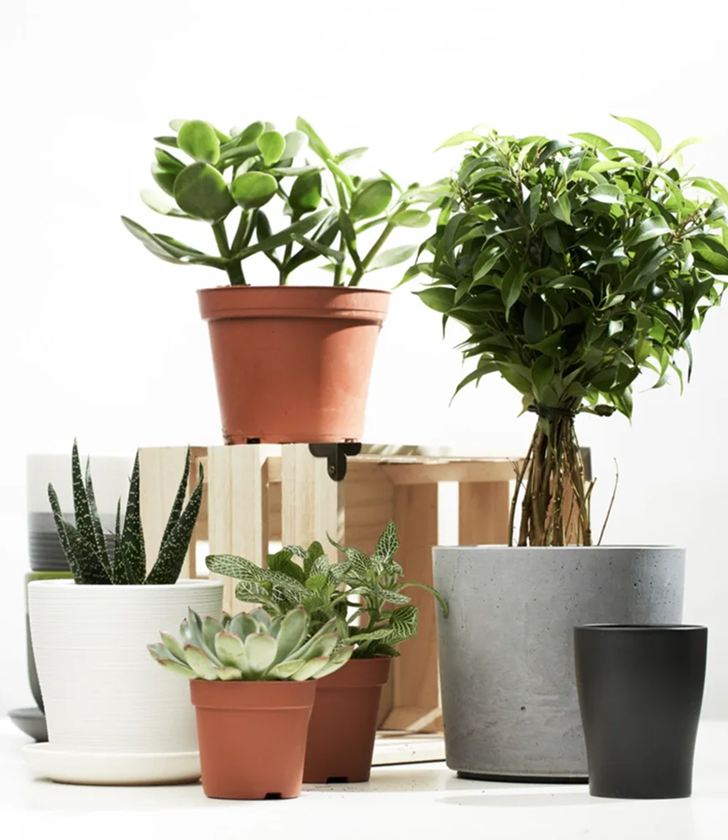
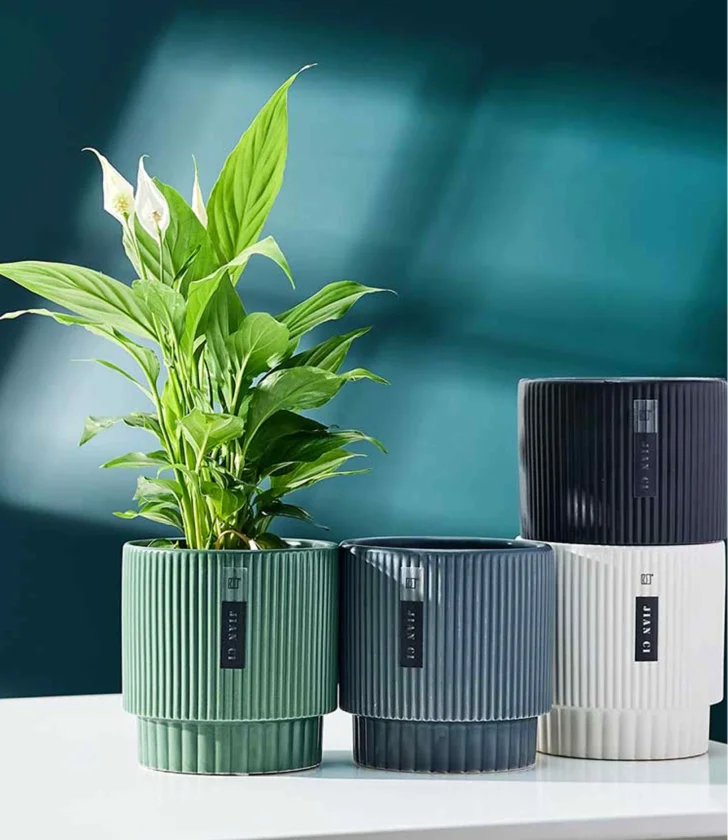
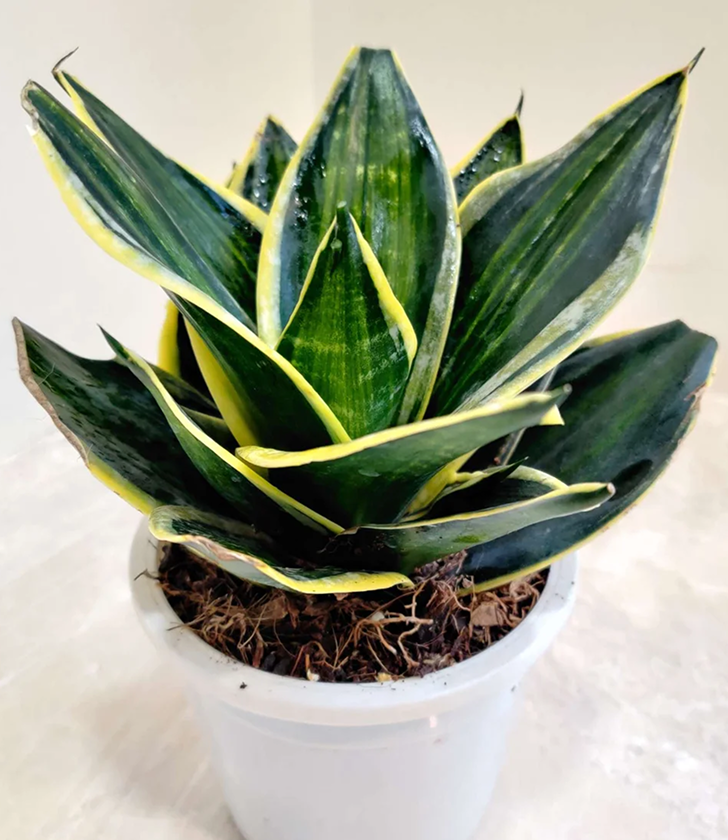
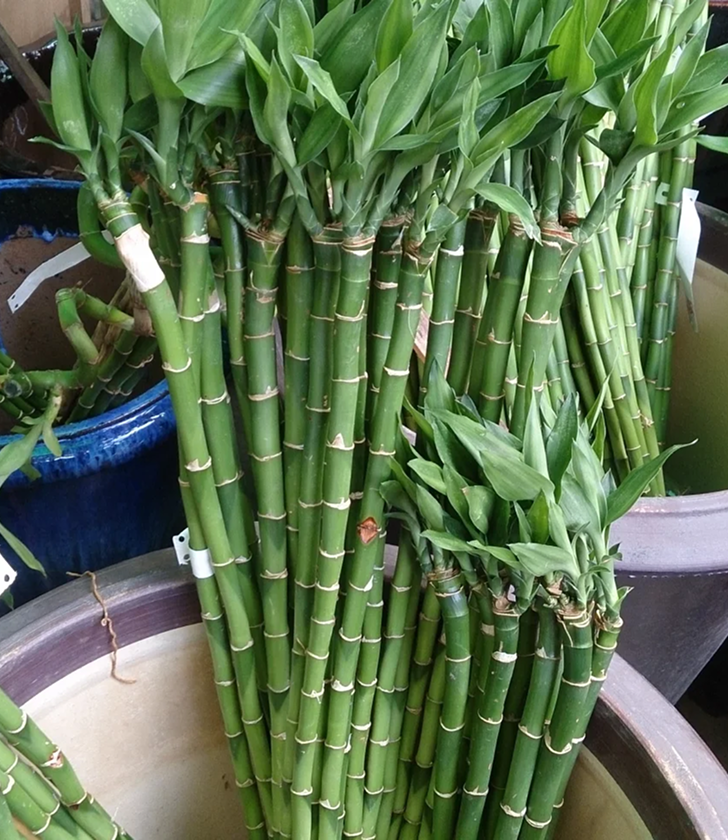
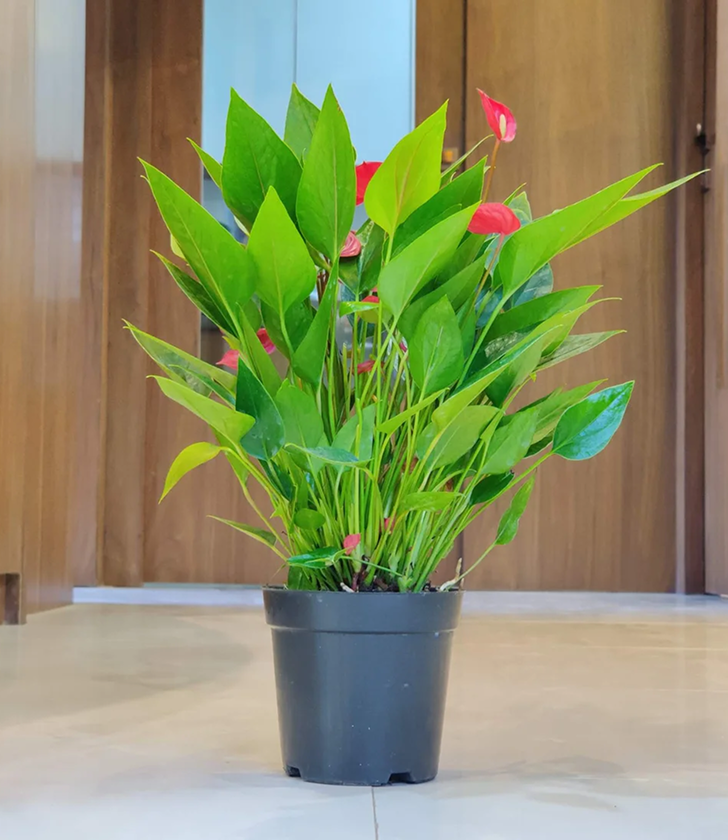
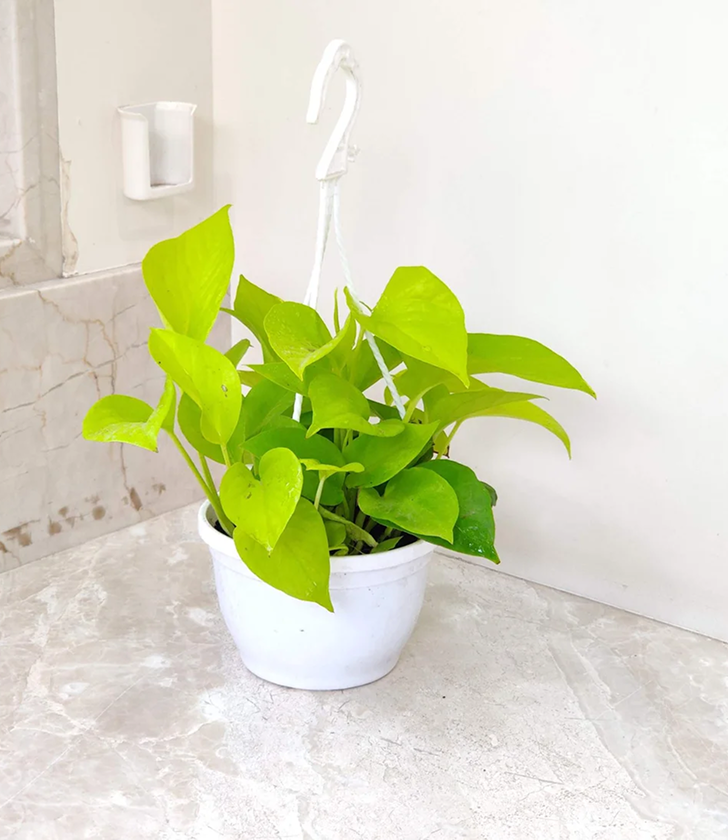
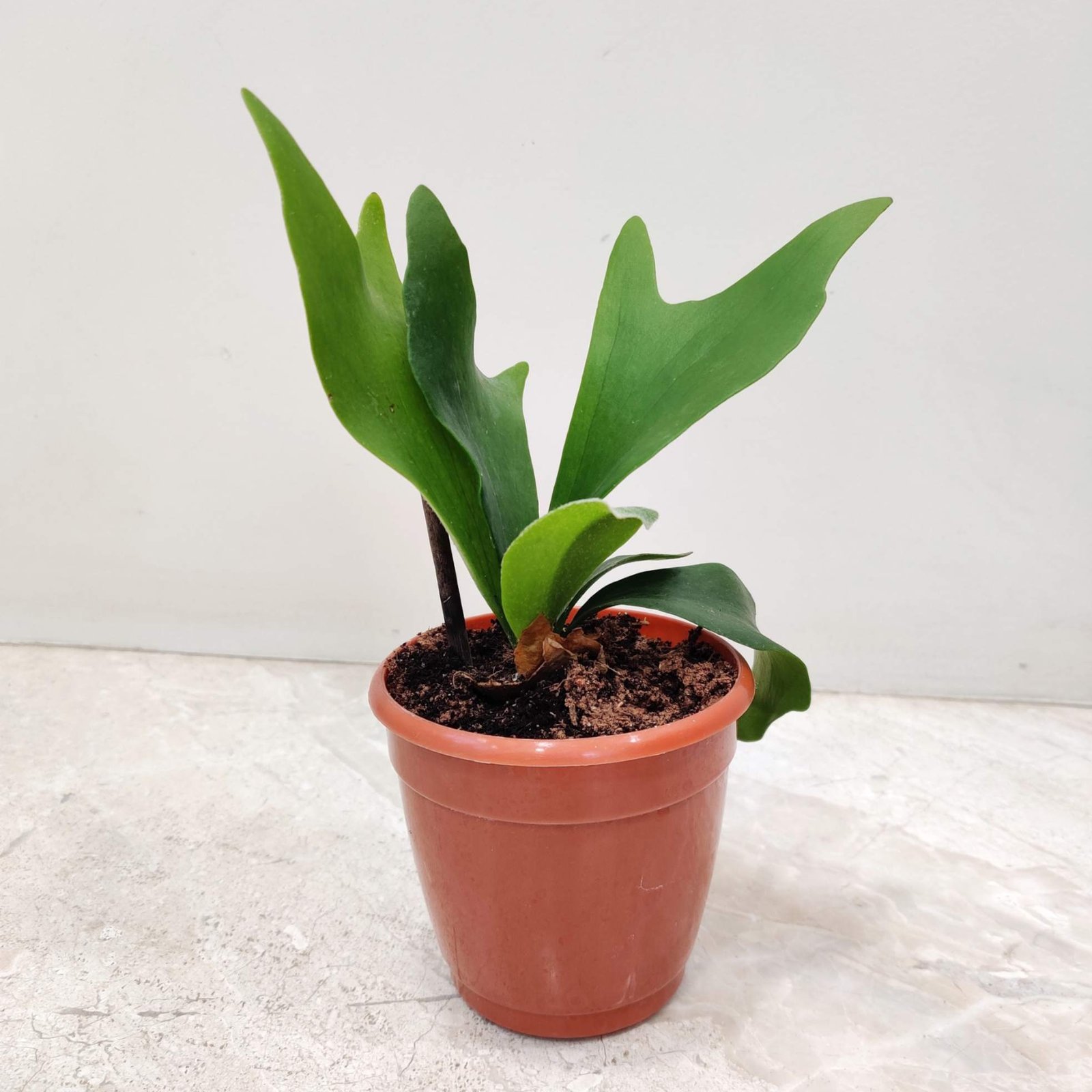
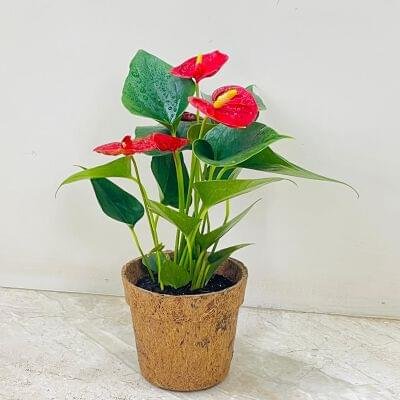
You can pair them with plants from this collection:
Indoor plants not only enhance aesthetics but also improve mood and indoor air quality, making them a perfect companion to stone décor.
Styling Stone Sculptures: Practical Design Tips
1. Create a focal point
Avoid overcrowding. Let one sculpture stand out.
2. Use plants as framing
Pair your sculpture with:
This creates a natural, layered look.
3. Mix real and artificial greenery
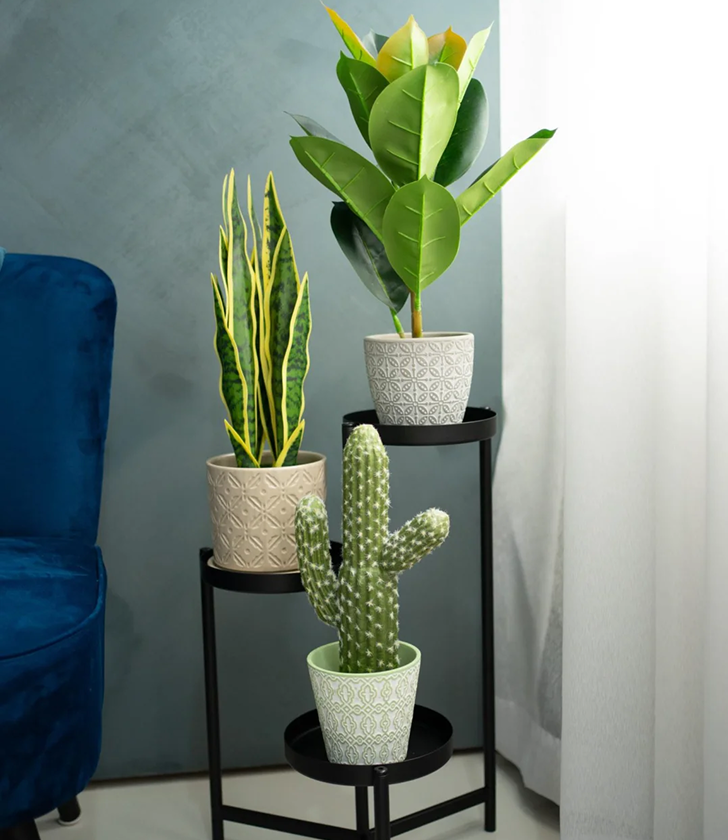
If maintenance is a concern, you can also combine stone sculptures with Artificial Plants Collection.
Artificial plants today offer realistic aesthetics while being completely maintenance-free.
4. Focus on lighting
Lighting enhances the texture of stone.
Use:
- Uplights
- Side lighting
This adds depth and drama, especially in evening settings.
5. Choose the right size
- Small balconies → compact sculptures
- Large gardens → statement pieces
Balance is key.
Maintenance and Longevity
One of the biggest advantages of stone is its low maintenance.
Cleaning
- Use water and a soft brush
- Clean after monsoon
Sealing
- Optional but useful for porous stone
- Apply once a year
Placement
- Keep on stable surfaces
- Avoid uneven ground
Avoid chemicals
- No bleach or harsh cleaners
Stone ages beautifully, often becoming more attractive over time.
Stone Sculptures as Meaningful Gifts
Stone sculptures are not just décor—they are lasting gifts.
Perfect for:
- Housewarming
- Weddings
- Festive gifting
Unlike temporary gifts, they:
- Last for years
- Carry symbolic value
- Feel personal and thoughtful
Pairing them with plants creates a beautiful balance of growth and permanence.
2026 Décor Trends That Make Stone Essential
1. Biophilic design
People want nature indoors—stone and plants together create this effect.
2. Sustainable living
Natural materials are replacing synthetic décor.
3. Mindfulness spaces
Meditation corners are becoming common in Indian homes.
4. Balcony gardening
Urban homes are transforming small spaces into green retreats.
Stone sculptures elevate these spaces instantly.
Why Choose Sanjay Nursery – CAPPL
- Wide range of indoor plants and décor
- Trusted brand with years of experience
- Curated collections for modern homes
- Pan-India delivery
If you’re unsure about ordering or logistics, you can check our Ordering Guide.
And for any queries or bulk requirements, connect here:
They provide direct support for plant selection, décor guidance, and delivery queries.
Conclusion
Stone sculptures are more than décor—they are anchors of space, culture, and emotion.
In a world that is increasingly fast and disposable, stone offers something rare:
- Stability
- Authenticity
- Timeless beauty
Whether you place it in a garden, balcony, or indoor corner, a stone sculpture transforms the space—making it feel complete, grounded, and intentional.
If you are designing your home in 2026, this is one element you simply cannot overlook.
FAQs
1. Are stone sculptures suitable for outdoor use?
Yes, they are highly durable and perfect for Indian weather.
2. Which sculpture is best for home entrance?
Ganesha and Buddha sculptures are most commonly used.
3. Do stone sculptures require maintenance?
Very minimal—just occasional cleaning with water.
4. Can I use stone sculptures in small balconies?
Yes, compact and planter-style sculptures work perfectly.
5. Are stone sculptures eco-friendly?
Yes, they are natural, sustainable, and chemical-free.
6. Can I combine stone sculptures with plants?
Absolutely. Pairing with indoor or artificial plants enhances the overall aesthetic.
7. Where can I buy stone sculptures in India?
You can explore curated collections from Sanjay Nursery.
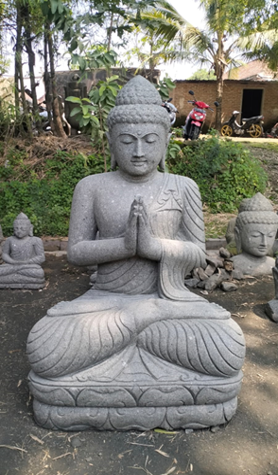
Stone sculptures don’t just sit in a corner—they anchor your space, elevate your design, and bring a sense of calm that stays with you every day.
Bring home something that lasts for years—not just a season.