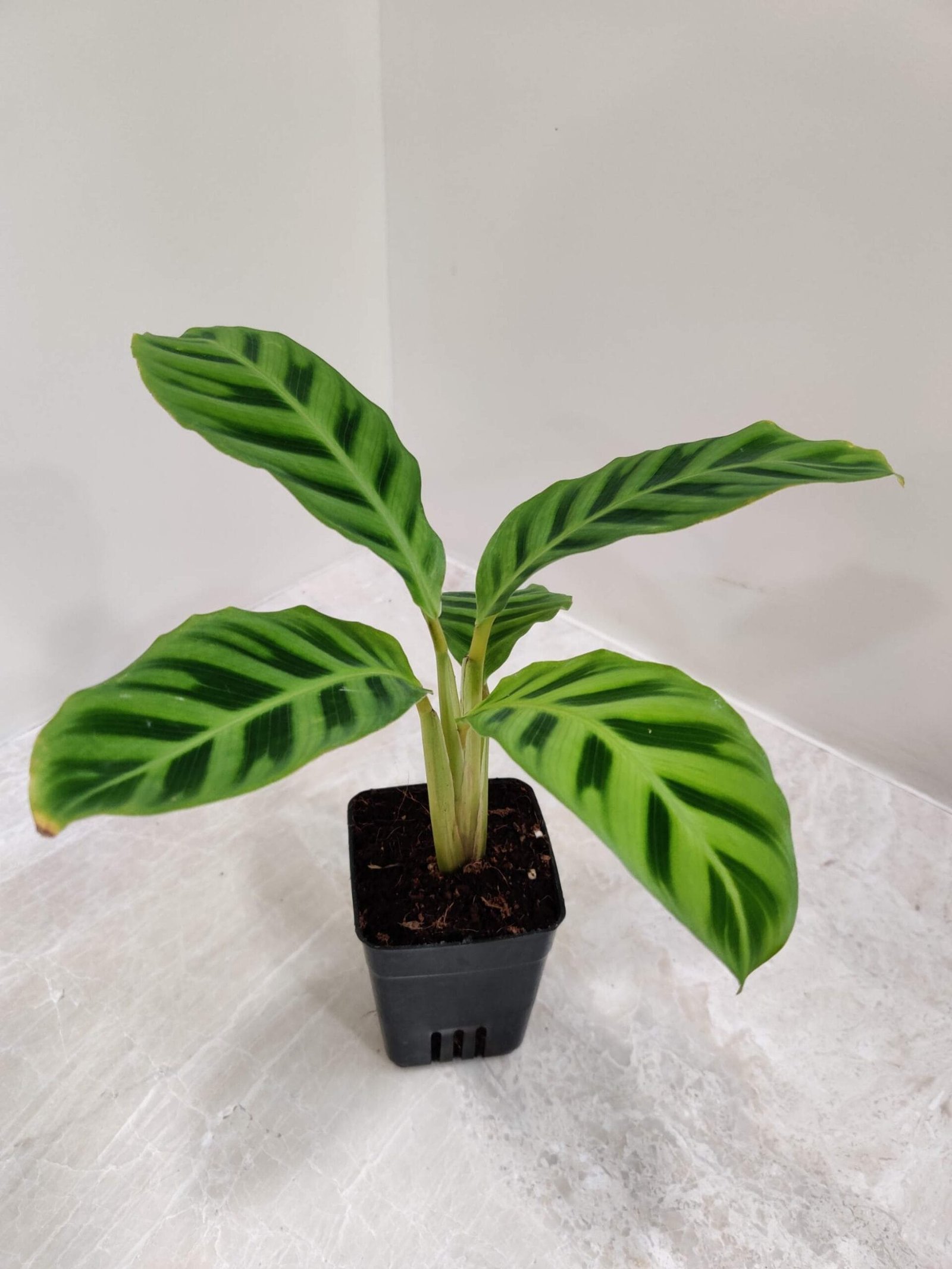
Calathea plants, known for their stunning foliage and unique leaf patterns, have become a favorite among houseplant enthusiasts. Their vibrant leaves, adorned with intricate designs, make them a captivating addition to any indoor space. While Calatheas can be somewhat finicky, the reward of nurturing these tropical beauties is well worth the effort. In this guide, we’ll explore everything you need to know about growing and caring for Calathea plants indoors.
Calathea plants are part of the family of plants known as Marantaceae, which is a species of flowering plants from tropical areas such as Africa. They are famous for their wide, green, colorful leaves. These wide leaves make them popular for areas of low light.

Why Choose Calathea Plants?
Native to Central and South America, Calatheas thrive in the shaded understory of tropical rainforests. Their striking leaves come in various patterns, including stripes, veining, and bold contrasts of green, cream, purple, and pink. Commonly referred to as prayer plants, their leaves exhibit a fascinating daily movement—folding up at night and unfurling during the day.
Ideal Growing Conditions for Calatheas
Light Requirements
Calatheas prefer filtered or dappled light, mimicking the conditions of their natural habitat. Direct sunlight can scorch their leaves and fade their vibrant patterns. Place them near east- or west-facing windows for indirect sunlight and rotate the plant occasionally to ensure even growth.
Pro Tip: If you notice your Calathea’s leaves curling or its colors fading, it may be receiving too much light.
Temperature and Humidity
Calatheas thrive in temperatures between 70°F and 85°F and cannot tolerate temperatures below 60°F. They also require high humidity levels—ideally above 50%. Bathrooms or terrariums can provide the perfect humid environment.
Humidity Hacks:
- Use a humidifier to maintain consistent moisture levels in the air.
- Place your plant on a pebble tray filled with water, ensuring the pot’s bottom does not touch the water.
Soil and Watering Needs
Soil
The ideal soil for Calatheas is loamy, well-draining, and rich in organic matter. A potting mix for African violets, which includes peat moss, works wonderfully.
Watering
Calatheas prefer evenly moist soil, but excess water can harm the roots. Check the soil regularly and water only when the top 2 inches feel dry. Use a watering can to pour water slowly and evenly, allowing moisture to reach the roots without flooding the pot.
For best results, use filtered or distilled water, as Calatheas are sensitive to minerals such as chlorine and fluoride commonly found in tap water. Proper watering helps maintain healthy leaves and prevents browning or stress.
Signs of Overwatering or Underwatering:
- Browning leaf tips may indicate underwatering.
- Yellowing leaves could mean the plant is overwatered or reacting to tap water minerals.
Fertilizing and Pruning
Fertilizing
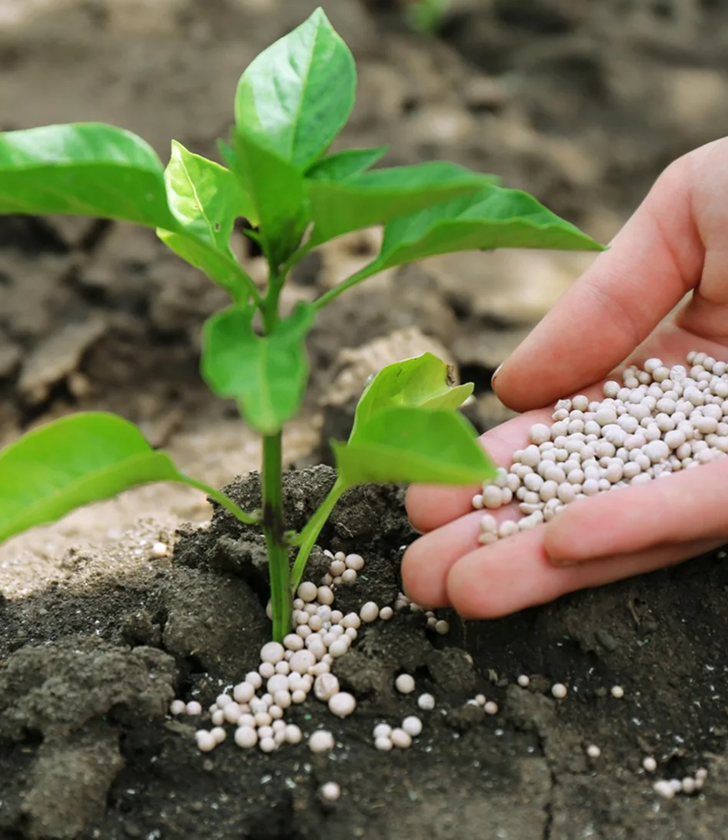
Feed your Calathea with a balanced liquid fertilizer at half strength once a month during the growing season (spring to fall). Skip fertilizing in winter when the plant’s growth slows.
Pruning
While Calatheas don’t require regular pruning, removing brown or wilted leaves can help maintain their appearance. Use sterilized scissors to avoid introducing infections.
Propagation and Repotting

Propagation
To propagate your calathea you will have to cut offshoots from the mother plant. The best time to do this is spring when the plants are being repotted. Remove the mother plant from its pot and brush away the old soil.
The best way to propagate Calatheas is through root division. This process should be done during the growing season and only with healthy, mature plants.
Steps:
- Water the plant the day before propagation.
- Carefully remove it from the pot and gently separate the roots.
- Plant each section in fresh potting mix and water thoroughly.
Repotting
Repot your Calathea every two to three years or when its roots outgrow the pot. Choose a pot that is 1-2 inches larger in diameter to accommodate new growth.
Here are some tips for repotting a calathea plant
When to repot: Repot your calathea every few years, or when the pot is too small or the plant is crowded. Spring is the best time to repot.
Pot size: Choose a new pot that’s only one or two sizes larger than the root ball. If the pot is too big, the roots won’t reach all the soil, which can lead to root rot.
Soil: Use a free-draining, moisture-retentive, peat-free compost. You can also make your own compost by mixing multi-purpose compost with about 10% perlite or potting grit.
Roots: Gently loosen the roots and check for signs of rot, such as brown or mushy roots. Cut off any damaged roots to prevent the damage from spreading.
Repotting: Place the plant in the new pot so the top of the root ball is just below the surface of the compost. Add potting soil to the sides of the pot. Water thoroughly and put the plant in a warm, shaded place.
Troubleshooting Common Problems
- Browning Tips: Increase watering frequency or humidity levels.
- Yellowing Leaves: Switch to filtered or rainwater.
- Pest Infestations: Use neem oil or insecticidal soap to treat fungus gnats, spider mites, or aphids.
Why Calatheas Are Worth the Effort
Despite their specific care needs, Calatheas reward their owners with unparalleled beauty and charm. They are perfect for adding a tropical vibe to your living room, bedroom, or even your bathroom. Plus, their air-purifying qualities contribute to a healthier indoor environment.
Final Thoughts
Caring for Calatheas is a journey of learning and patience. By mimicking their natural habitat and paying close attention to their needs, you can enjoy the vibrant colors and dynamic movements of these extraordinary plants for years to come. Whether you’re a seasoned plant parent or a beginner, Calatheas make a stunning and rewarding addition to your indoor garden.
Share Your Calathea Story!
Have tips or tricks for Calathea care? We’d love to hear from you! Share your experiences in the comments below.
FAQs
What light do Calathea plants need?
Filtered or dappled light. Avoid direct sunlight to prevent leaf burn.
How should I water my Calathea?
Water when the top 2 inches of soil are dry. Use filtered or rainwater for best results.
What are the ideal temperature and humidity conditions?
Keep temperatures between 70–85°F and humidity above 50%. Use a humidifier or pebble tray if needed.
What soil is best for Calatheas?
A lightweight, well-draining, organic-rich potting mix, slightly acidic to neutral. African violet mix works well.
How should I fertilize my Calathea?
Fertilize monthly with half-strength liquid fertilizer during spring, summer, and fall. Skip in winter.
How do I propagate Calatheas?
Propagate by root division in spring or summer using healthy, mature plants.
Why are my Calathea leaves yellow or brown?
Yellowing: Minerals in water—use filtered or rainwater.
Browning: Low humidity or underwatering.
Do Calatheas bloom indoors?
Rarely. For blooms, try Calathea crocata and provide optimal conditions.