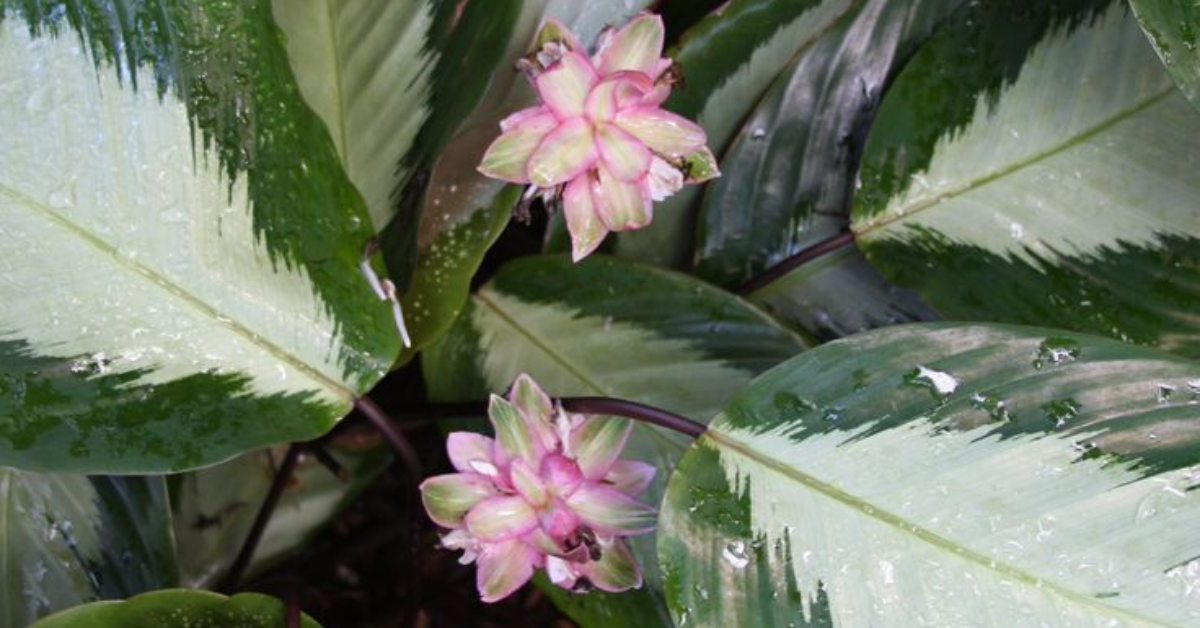
Calatheas, members of the Marantaceae family, are famous for their lush, decorative foliage rather than their blooms. Their vibrant leaves display intricate patterns of green, pink, and silver that seem to move with the light—earning them the nickname “prayer plants.” But once in a while, under the right conditions (or sometimes under stress), Calatheas surprise their caretakers with delicate flowers that appear almost out of nowhere.
While these blooms are often short-lived and not as showy as their tropical cousins, their appearance reveals something profound: these plants are more self-aware and resilient than we might think. When Calatheas bloom, they’re not merely decorating our homes—they’re communicating their vitality, adaptation, and will to thrive.
A Gardener’s Dilemma: To Cut or Not to Cut?
The appearance of flowers in Calatheas often leaves plant lovers with mixed feelings. On one hand, it’s thrilling to witness such a rare event. On the other, there’s concern that the plant may divert its energy from producing lush foliage—the very reason many people grow Calatheas in the first place.
One gardener famously documented this inner conflict while caring for several Calathea varieties: ‘Medallion,’ ‘Picturata Argentia,’ ‘Margarita,’ and ‘Dottie.’ Initially, the gardener believed that letting the plants flower would exhaust them. But as time passed, the plants continued to flourish—producing new leaves and even developing new rhizomes.
The experience sparked a philosophical shift: instead of controlling the plant’s behavior, the gardener learned to observe and trust it. As they put it, “They know what is good for them—I don’t have that kind of expertise about them that they do.”
This shift from intervention to observation marks a profound change in modern plant care—a move away from strict management toward understanding plant autonomy.
Case Studies: When Calatheas Decide to Bloom
To understand the triggers behind Calathea flowering, let’s explore a few remarkable case studies that show how different environmental and care conditions led to these unexpected blooms.
1. Calathea ‘Medallion’: The Survivor Blooms Again
After enduring a severe spider mite infestation and being sprayed down with tap water (causing leaf burn), this resilient plant started thriving just months later. Positioned close to an east-facing window, it received direct but gentle morning light. Despite its prior stress, the Medallion not only recovered—it began producing multiple flowers and lush new foliage.
Trigger factors: Stress recovery, mild direct light, organic fertilization (worm castings only).
2. Calathea ‘Picturata Argentia’: Beauty After Trauma
This variety was the “ground zero” for pest infestation and bacterial issues. Despite multiple rounds of hosing and treatment, the plant refused to give up. Within months, it started pushing out new flower spikes. Located in a north-facing window, it benefited from abundant reflected summer light and a combination of worm castings and fish-based fertilizer.
Trigger factors: Severe environmental stress, nutrient supplementation, bright indirect light.
3. Calathea ‘Margarita’: Flourishing in Calm
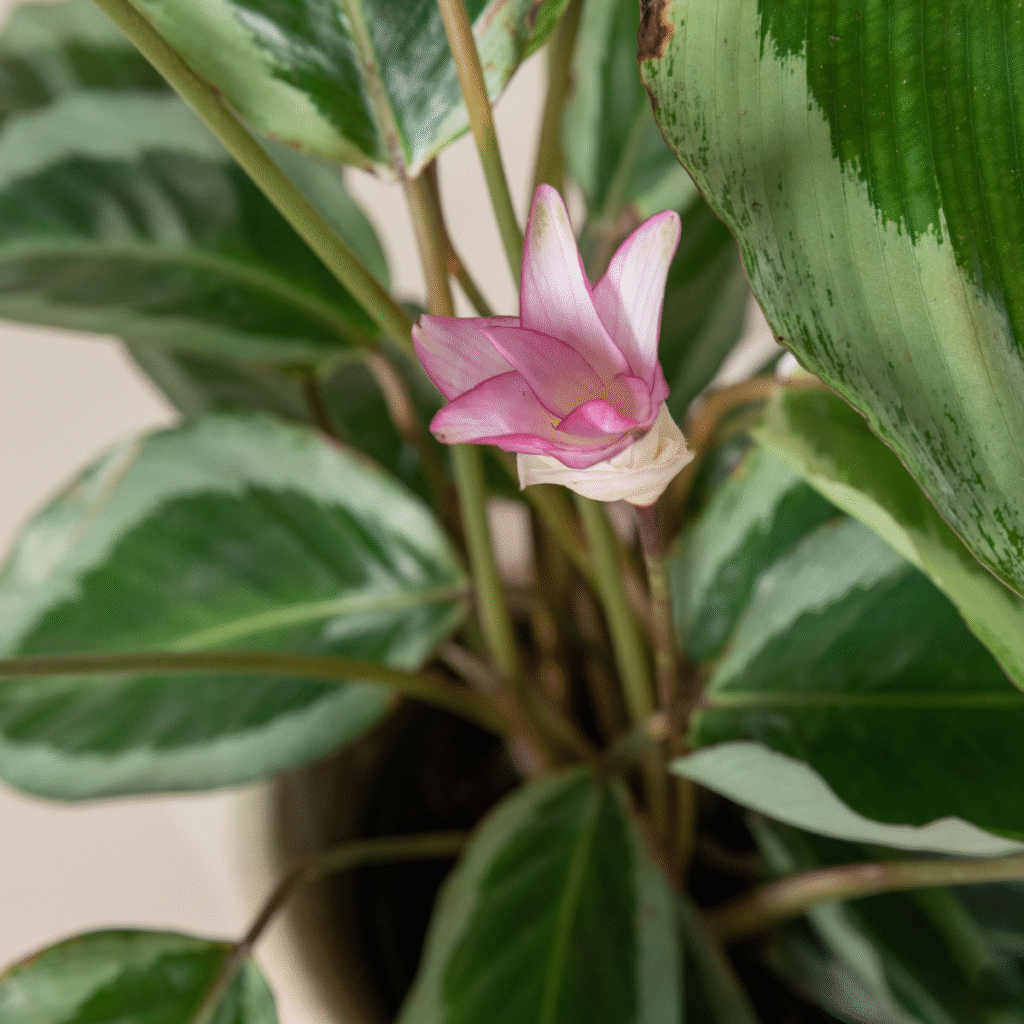
Unlike its companions, the ‘Margarita’ hadn’t suffered recent trauma. Instead, it enjoyed stable conditions—soft east-facing light and consistent fertilization. Its pink-tipped bloom emerged alongside new rhizome growth, showing that flowering doesn’t always follow stress—it can also signal abundance.
Trigger factors: Strong light exposure, balanced nutrition, stable environment.
4. Calathea ‘Dottie’: A Heavy Bloomer
The Dottie’s dramatic dark foliage and pink accents make it a fan favorite. When it began to bloom heavily, the gardener worried it would drain the plant. However, Dottie continued thriving post-bloom, proving that flowering doesn’t always sap strength from Calathea species.
Cracking the Code: What Triggers Calathea Flowering?
Though every Calathea behaves differently, three main factors seem to influence their decision to flower: stress, light, and nutrition.
1. Environmental Stress: A Survival Strategy
It might sound odd, but sometimes plants flower as a “last-ditch effort” to reproduce before conditions worsen. When Calatheas face intense stress—like pest infestations, dehydration, or damage—they may redirect energy toward reproduction.
However, flowering under stress doesn’t necessarily mean the plant is dying. In fact, the Medallion and Picturata Argentia both recovered beautifully after blooming, indicating that flowering can be a rejuvenating, not destructive, process.
2. Light: The Secret Ingredient
Many plant enthusiasts underestimate how much light Calatheas actually need. They’re often labeled as “low-light plants,” but these case studies show that bright, indirect light or mild direct morning sun often encourages healthy growth and flowering.
Here’s what to keep in mind:
- East-facing windows offer soft, energizing sunlight ideal for Calatheas.
- North-facing windows work well during summer when the sun’s path shifts.
- Avoid harsh afternoon rays that can scorch leaves—especially through non-filtered glass.
Calatheas, it seems, bloom best when they receive enough light to photosynthesize efficiently but not so much that it overwhelms them.
3. Fertilization: Gentle Nourishment Is Key
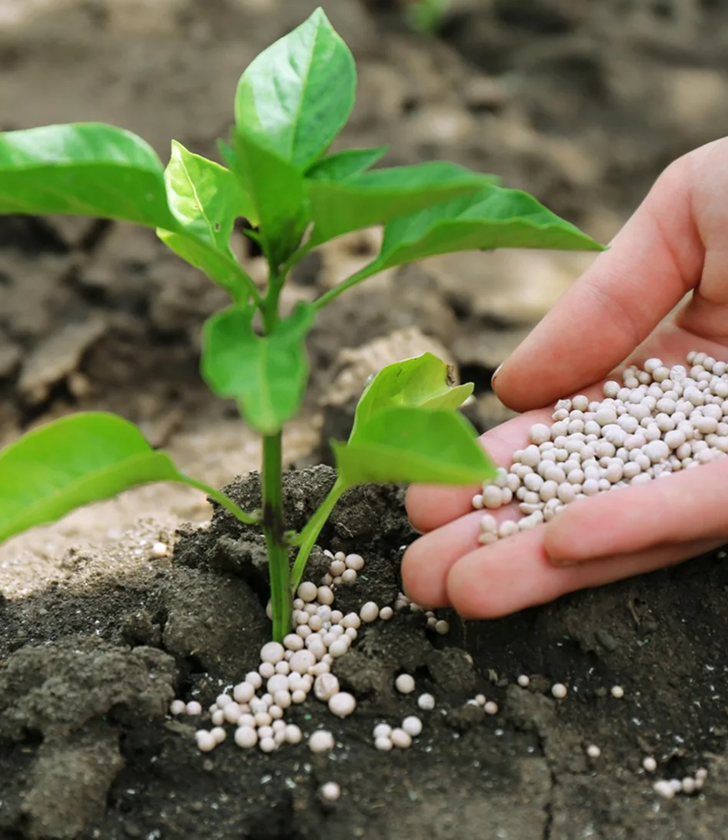
Calatheas are notoriously sensitive to fertilizers. Overfeeding can cause root burn and leaf damage. The most successful gardeners use organic, slow-release amendments such as worm castings—a rich source of nutrients that nourish the soil gradually.
Some also use fish-based liquid emulsions, which offer a nitrogen boost and trace minerals that encourage root and leaf vitality. However, moderation is crucial. A monthly half-inch top-dressing of worm castings during the growing season, complemented occasionally by diluted liquid fertilizer, is enough to sustain healthy flowering.
The Philosophy of Plant Autonomy
Perhaps the most fascinating takeaway from Calathea flowering isn’t the science—but the shift in mindset it inspires.
The gardener’s journey from resistance to acceptance illustrates a growing philosophy in modern horticulture: plants have agency. They respond to their environment, adapt to stress, and make physiological decisions that often surpass human assumptions.
By trusting the plant’s natural instincts rather than micromanaging them, we not only nurture healthier specimens but also deepen our connection to nature’s intelligence.
As one gardener beautifully concluded:
“They know what is good for them… and I don’t have that kind of expertise about them that they do.”
Do Calathea Flowers Mean Trouble?
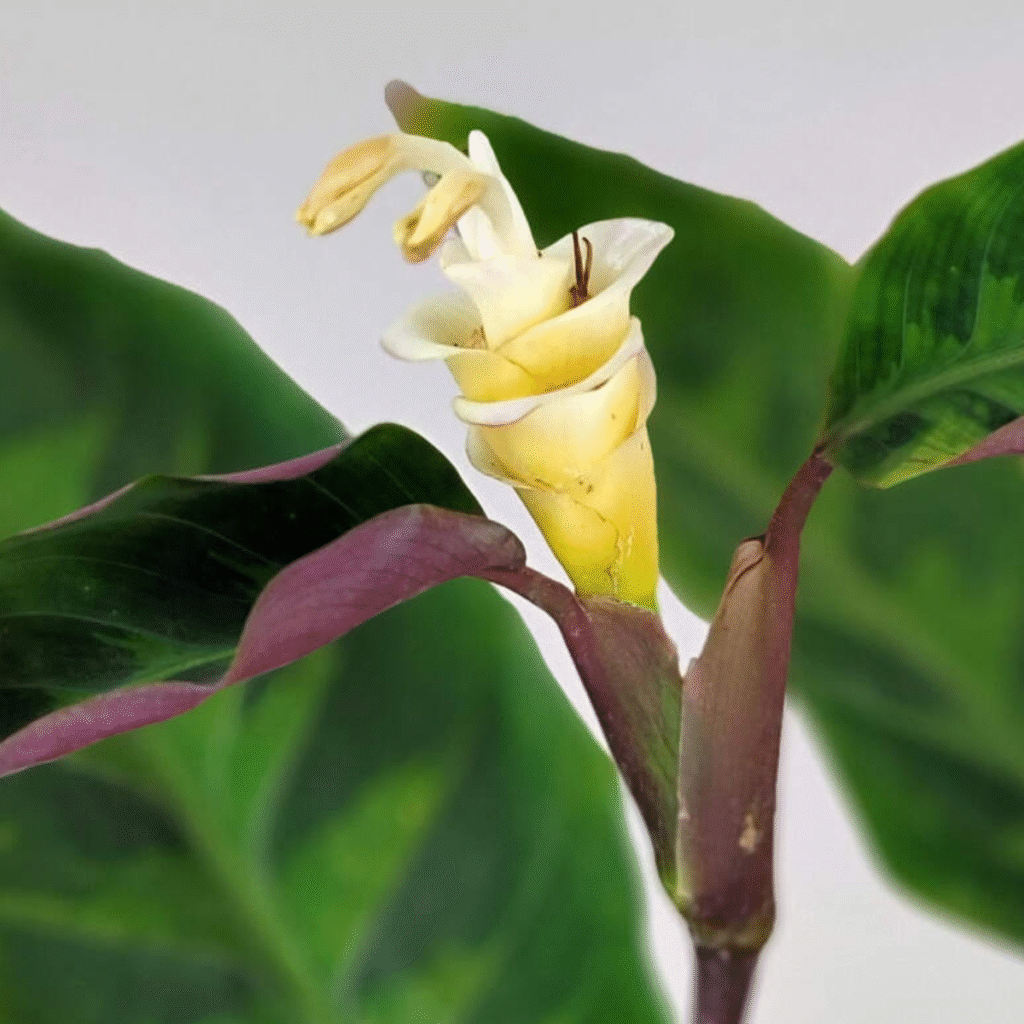
Not at all! Contrary to popular belief, Calathea blooms rarely harm the plant. While some gardeners prefer to remove flowers to redirect energy toward foliage, the case studies show that blooming often coincides with vigorous leaf production.
However, once the flowers fade (usually within 12–24 hours), it’s best to prune them off. Dead blooms can attract pests or mold if left to decay.
Pro tip: Use sterilized scissors and trim just above the base of the flower stem to prevent disease.
Care Tips for Encouraging (or Managing) Calathea Blooms
Want to help your Calathea bloom—or ensure it stays healthy during flowering? Here’s how:
- Light it Right:
- Keep it near bright, filtered light—east or north-facing windows are best.
- Avoid harsh afternoon sun that can scorch leaves.
- Feed Smart:
- Use organic matter like worm castings.
- Dilute liquid fertilizers (like fish emulsion) to half strength.
- Fertilize monthly during spring and summer.
- Balance Water:
- Calatheas love moisture but hate soggy roots.
- Water with distilled or filtered water when the top inch of soil feels dry.
- Humidity Matters:
- Aim for 50–60% humidity.
- Use pebble trays or humidifiers to mimic their native tropical environment.
- Don’t Panic at Blooms:
- Flowering is often a good sign!
- Remove dead blooms promptly to maintain cleanliness.
Light, Stress, and Nutrients: The Perfect Trio
The harmony of light exposure, nutritional balance, and occasional stress appears to be the sweet spot for Calathea flowering. The plants that bloomed in these studies shared one trait in common—they were thriving after recovery.
This balance mirrors what happens in nature: a little adversity strengthens a plant, while abundant light and organic nourishment sustain its growth.
Beyond the Bloom: Lessons in Growth
Watching a Calathea bloom can teach us more than plant biology—it can teach patience, respect, and humility. Gardeners often try to control every variable, but these plants remind us that nature doesn’t always need our intervention.
When a Calathea blooms unexpectedly, it’s not an accident—it’s communication. It’s the plant’s way of saying, “I’m ready.”
Wrapping It Up: A Celebration of Nature’s Autonomy
Calathea flowering, though rare, is a beautiful reminder that nature often defies our expectations. Whether triggered by stress, light, or nutrients, these blooms represent resilience and renewal.
Instead of cutting them off prematurely, we can choose to watch and learn—because every flower tells a story of adaptation, recovery, and growth.
So next time your Calathea surprises you with a bloom, don’t panic. Take it as a quiet message from nature itself: trust the process.
FAQs About Calathea Flowering
1. Why do Calatheas rarely flower indoors?
Because indoor environments often lack the combination of bright light, humidity, and organic nutrients found in their native habitats. But with the right care, indoor flowering is absolutely possible.
2. Should I cut off Calathea flowers?
Once they dry up or brown, yes. Removing dead blooms helps prevent pests and disease, but let them bloom naturally before trimming.
3. Does flowering mean my Calathea is stressed?
Sometimes, yes—but not always. Some flower after recovery from stress, while others bloom when thriving in ideal light and nutrient conditions.
4. How long do Calathea flowers last?
Typically, 12 to 24 hours. They’re short-lived but stunning symbols of plant vitality.
5. Can I encourage my Calathea to flower more often?
Provide bright, indirect light, use organic fertilizers, and maintain humidity. Most importantly, avoid overwatering and chemical fertilizers.
6. Is flowering harmful to Calatheas?
No, not if the plant is otherwise healthy. As seen in case studies, flowering often coincides with strong foliage growth.
7. What does a healthy Calathea bloom look like?
Small, cone-shaped flowers—sometimes white, purple, or pink-tipped, depending on the variety. They’re subtle but charming.
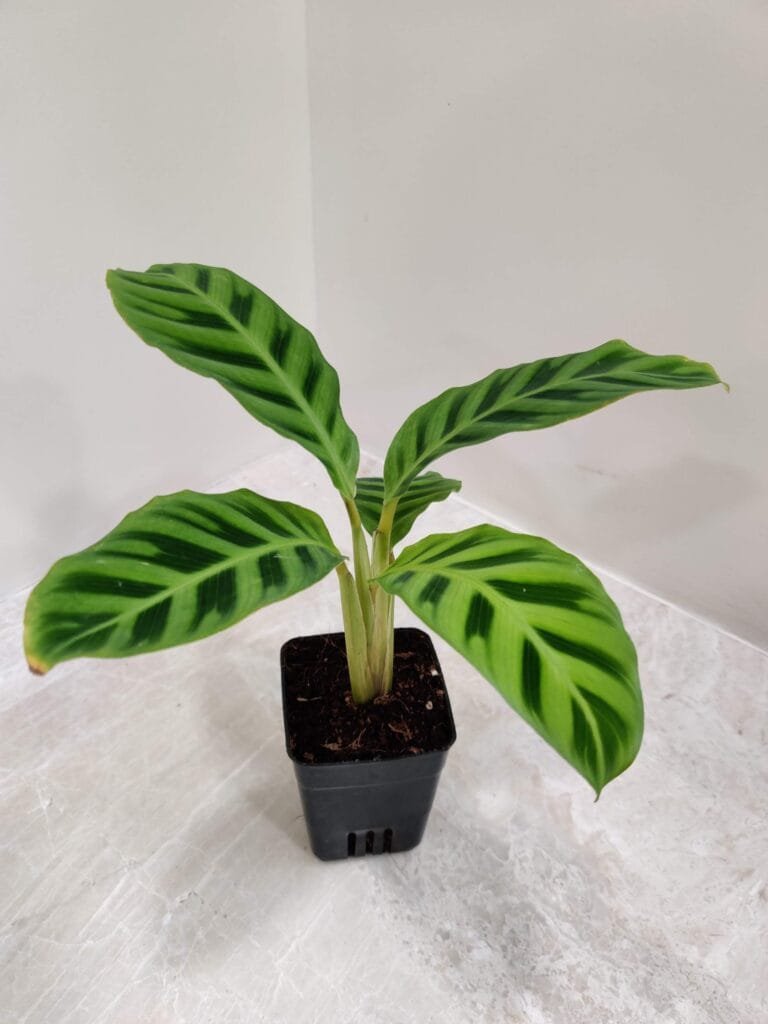
Explore our full Calathea collection and find the perfect variety to brighten your home—shop all Calathea plants today.