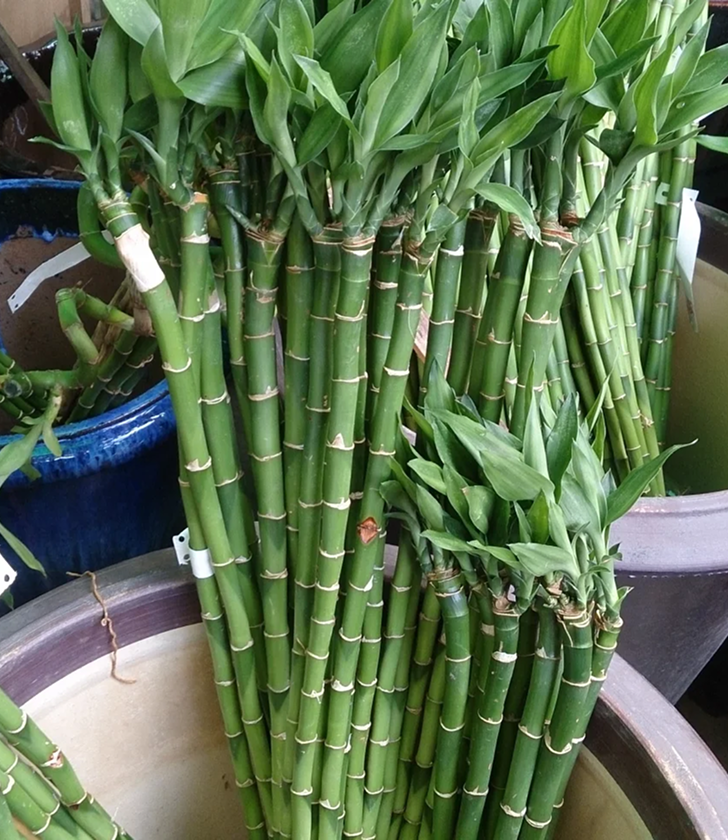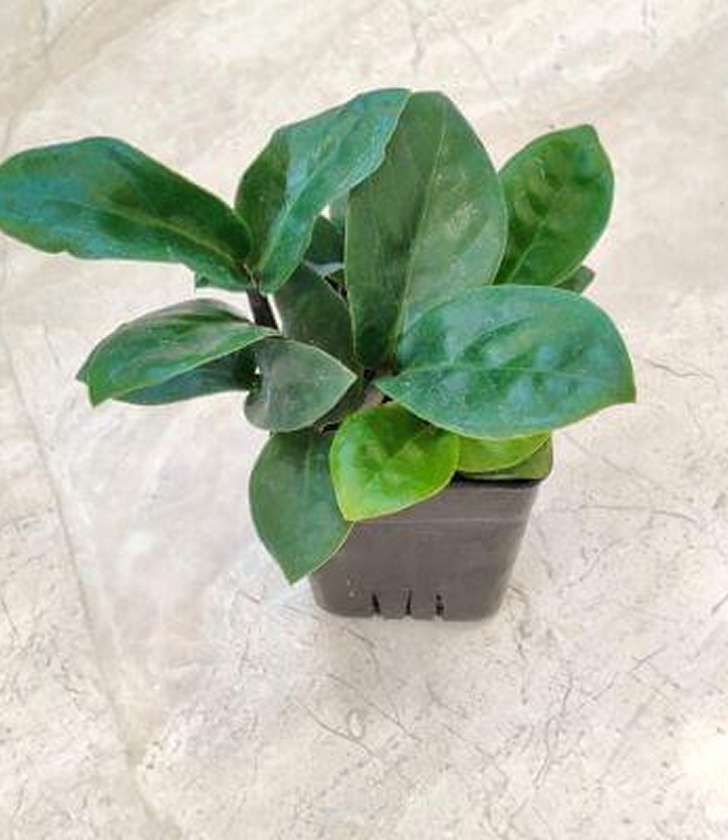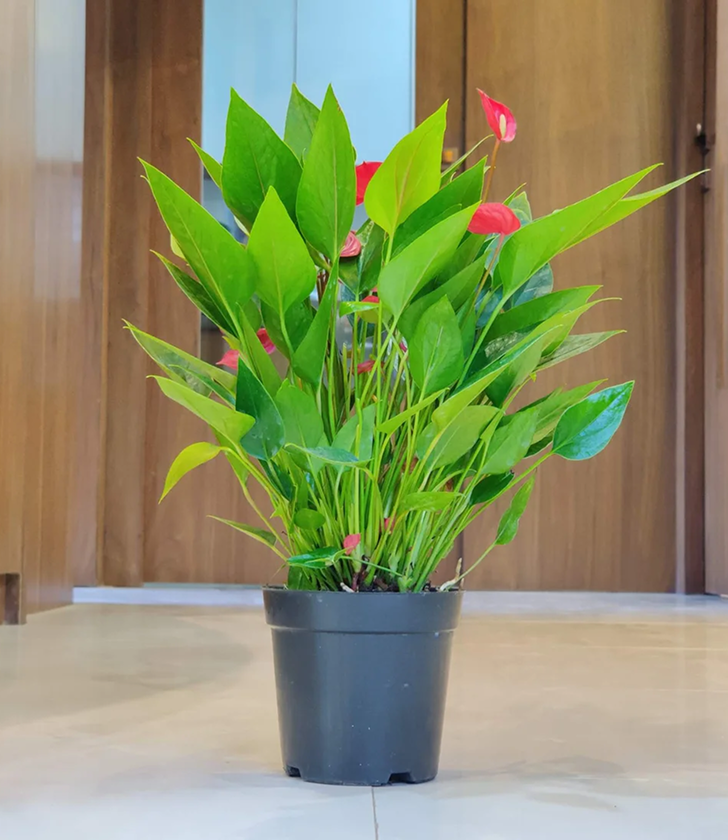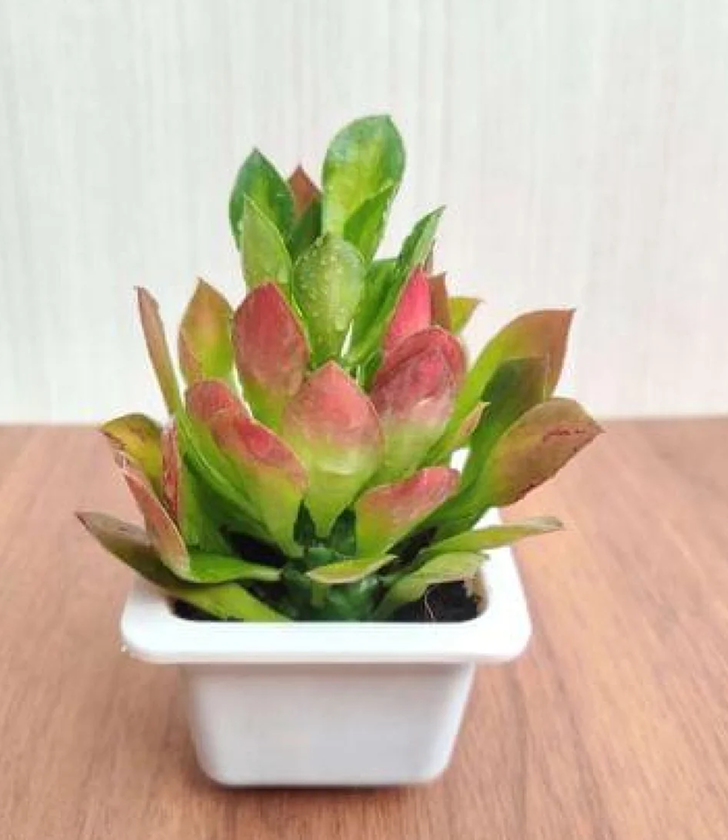
The snake plant for good luck, also known as Sansevieria or Mother-in-law’s Tongue, is one of the most popular indoor plants for homes and offices. Loved for its air-purifying properties and low-maintenance care, this hardy plant is also believed to bring positive energy and prosperity when placed correctly indoors.
According to Vastu Shastra and Feng Shui principles, the right placement of a snake plant for good luck can help enhance positivity, attract prosperity, and create a balanced environment in your living or working space. Its upright leaves symbolize strength, protection, and growth, making it a powerful plant for improving the flow of positive energy.
For plant lovers and Feng Shui enthusiasts alike, snake plants offer the perfect blend of natural beauty, easy care, and symbolic meaning. With their striking architectural leaves and reputation for bringing good fortune, snake plants are considered a must-have indoor plant for anyone looking to create a harmonious and uplifting indoor environment.
What makes snake plants even more appealing is their low-maintenance nature, making them an ideal choice for beginners or those without a green thumb. With minimal care, these hardy plants thrive in various conditions, offering both beauty and positive energy to your living space. If you haven’t added a snake plant to your home yet, now’s the perfect time to do so — you might just find it invites good fortune along with its striking presence.
Snake plants are known for their resilience and air-purifying qualities. If you’re planning to add one to your home, you can explore our snake plant collection to find the right variety for your space.
Ideal Placement for Snake Plants According to Vastu
To attract good fortune and maintain balance in your space, consider these placement suggestions:
1. Entrance:
- Placing a snake plant near the entrance is believed to ward off negative energy. It acts as a protective barrier, ensuring only positive energy flows inside.
2. South, East, or Southeast Corners:
- These directions are linked with prosperity and positive vibes. A snake plant in these corners is said to enhance wealth, success, and harmonious relationships.
3. Living Room:
- Adding a snake plant to your living room can purify the air and create a calm, welcoming ambiance for guests.
4. Bedroom:
- While some suggest avoiding the bedroom due to its strong energy, keeping a snake plant in your bedroom can improve air quality and promote restful sleep.
5. Bathroom:
- Since snake plants thrive in humid conditions, they make an excellent addition to bathrooms. They help cleanse the air and add greenery to the space.
6. Office Space:
- Keeping a snake plant on your desk or near a window can reduce stress, enhance focus, and boost productivity.
7. Snake Plant Vastu Direction Near Electronic Devices:
- Snake Plants are believed to shield against electromagnetic radiation.
- Placing a Snake Plant near devices like computers, televisions, or Wi-Fi routers can reduce their negative effects and create a peaceful ambiance.
- Snake Plants are believed to shield against electromagnetic radiation.
- Placing a Snake Plant near devices like computers, televisions, or Wi-Fi routers can reduce their negative effects and create a peaceful ambiance.
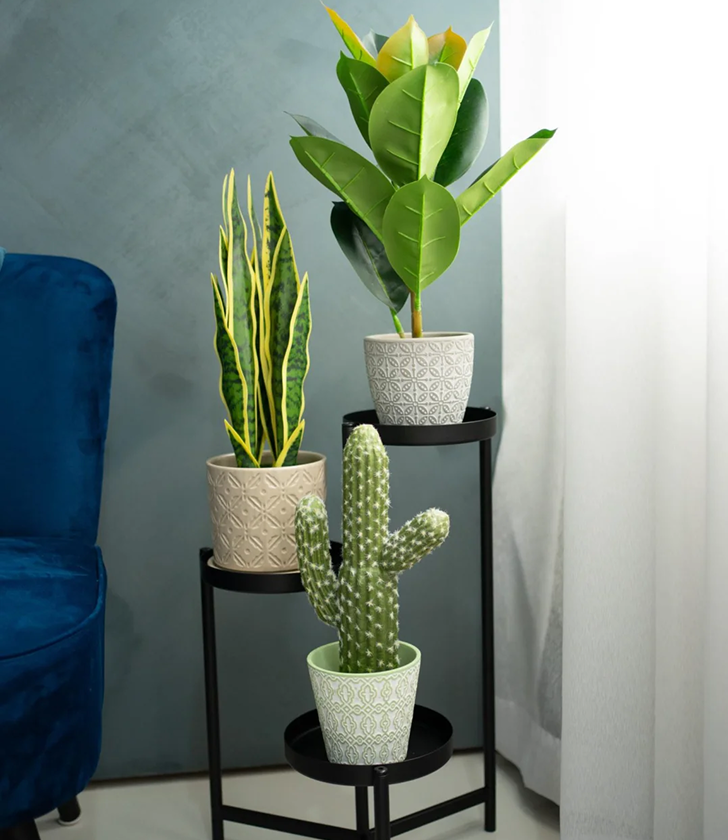
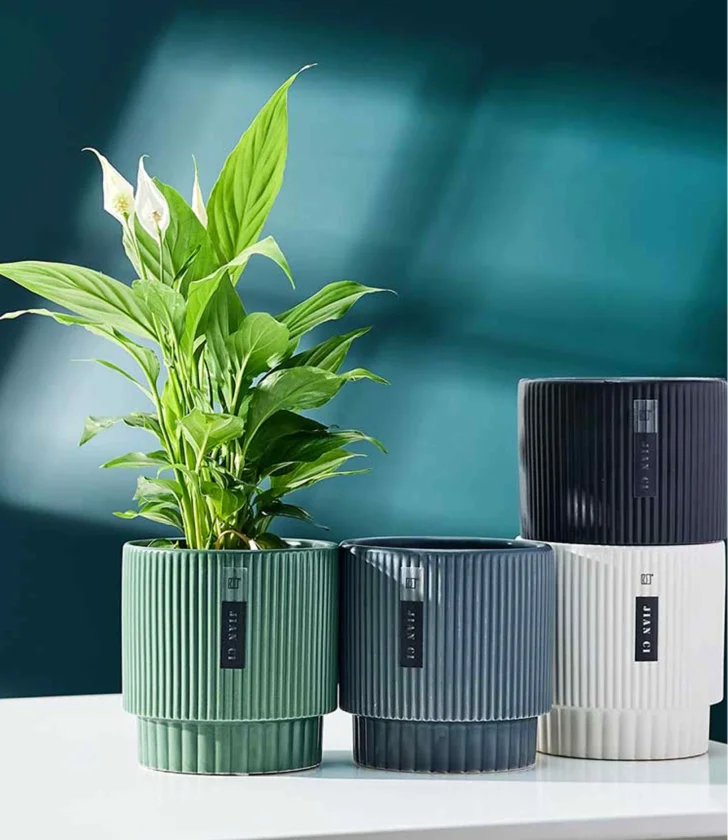
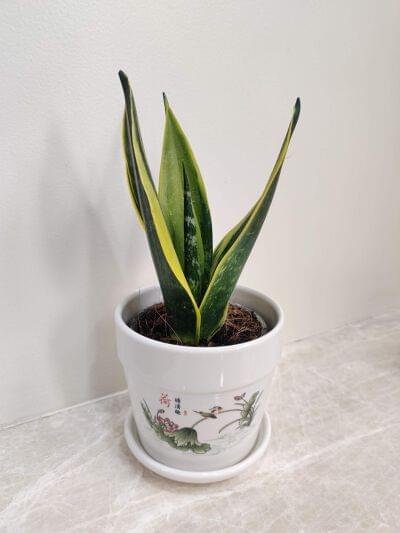
A well-placed snake plant in decorative ceramic plant pots can enhance both the energy and aesthetics of a room. Before placing an order, you may want to review our plant ordering guide for packaging and delivery details.
Places to Avoid When Placing a Snake Plant
To maintain positive energy flow, avoid placing your snake plant in these areas:
1. Underneath Beams:
- Snake plants placed under beams may create pressure and negative energy, so it’s better to position them in open, spacious areas.
2. Entryways:
- Avoid positioning your snake plant directly at the entry point, as it may block positive energy from entering your home. Instead, place it in a corner near the entrance.
3. Staircases:
- Vastu principles suggest avoiding snake plants near staircases as they may hinder energy flow within the home.
Benefits of Snake Plants
Snake plants offer a wide range of benefits that improve your well-being and indoor environment:
- Air Purification: Snake plants filter toxins such as benzene, formaldehyde, and trichloroethylene, improving air quality.
- Oxygen Production: Unlike most plants, snake plants release oxygen at night, enhancing sleep quality and benefiting skin health.
- Hydration: Snake plants increase indoor humidity, helping to keep your skin moisturized.
- Allergy Relief: By removing allergens from the air, snake plants help alleviate symptoms for those with allergies.
- Immune Support: Snake plants are known to reduce headaches, improve immunity, and create a more relaxing environment.
How Snake Plants Benefit Skin
- Hydration: Snake plants release moisture into the air, which helps maintain optimal indoor humidity levels and keeps your skin hydrated.
- Air Purification: By filtering toxins such as benzene, formaldehyde, and trichloroethylene, snake plants improve indoor air quality, reducing irritants that can impact skin health.
- Oxygen Production: Snake plants release oxygen at night, promoting better sleep quality and aiding skin repair and rejuvenation.
- Healing Properties: In some cultures, the gel inside snake plant leaves is used to treat minor skin wounds and burns due to its soothing properties.
Other Health Benefits of Snake Plants
- Can help reduce allergy symptoms by removing airborne allergens.
- May assist in easing minor ailments such as headaches or respiratory discomfort.
- Known to strengthen the immune system by promoting a cleaner and healthier indoor environment.
By placing snake plants strategically in your home or office, you can enjoy these remarkable benefits while promoting a healthier, more positive living space.
Plant enthusiasts can also visit our plant nursery to see a wide variety of indoor plants growing on site.
Snake Plant Care Tips
Snake plants are one of the easiest plants to maintain. Here are some essential care tips:
- Light Requirements: Snake plants thrive in both bright, indirect light and low-light conditions.
- Watering: Allow the soil to dry out between waterings. Overwatering can cause root rot.
- Temperature: Snake plants prefer warm temperatures between 15-30°C and can tolerate dry air.
- Potting: Use well-draining soil to prevent waterlogging. Adding decorative garden pebbles on top of the soil can improve drainage while giving the plant arrangement a polished look.
- Toxicity: While beneficial, snake plants are mildly toxic if consumed. Keep them away from pets and young children.
For more plant care tips and indoor gardening advice, explore our indoor plant care blog.
Common Snake Plant Varieties
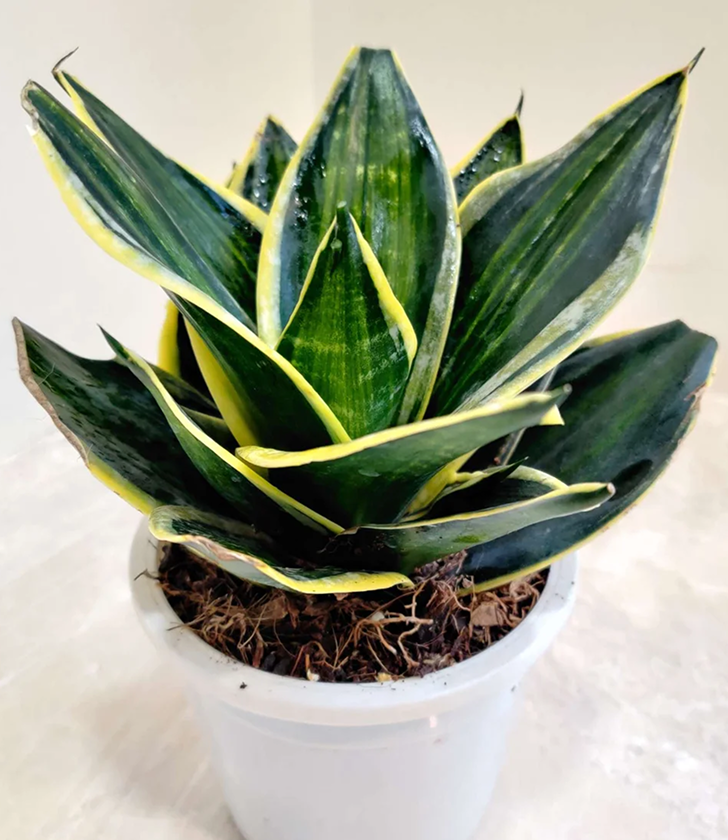
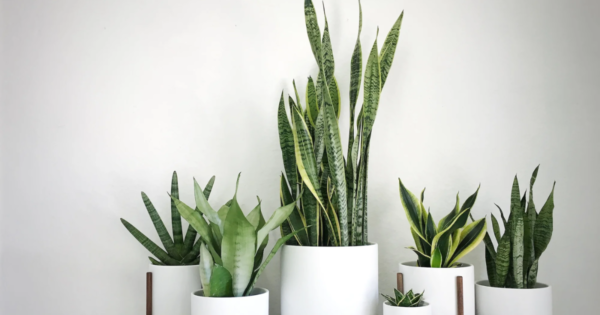
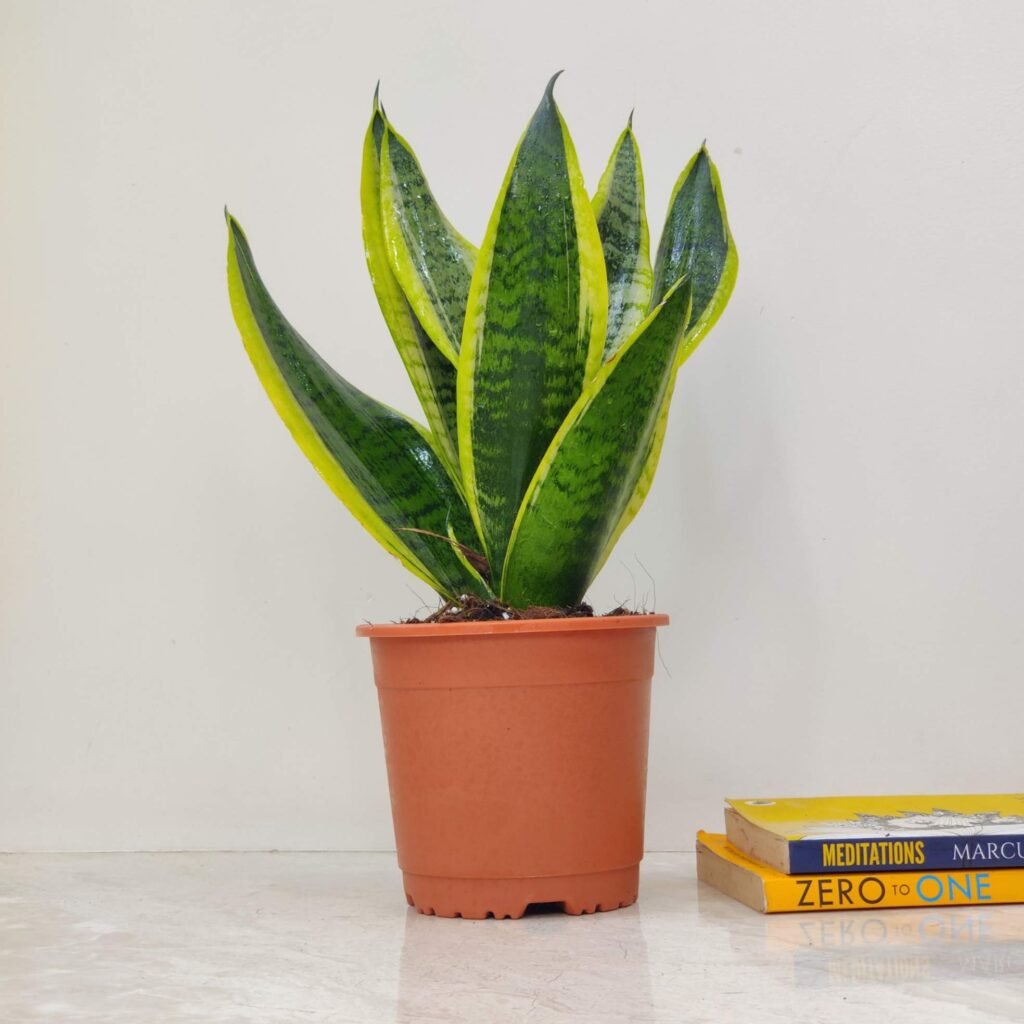
- Sansevieria trifasciata (Mother-in-law’s Tongue): The most common variety with tall, sword-like leaves featuring green and yellow stripes.
- Sansevieria cylindrica: Recognized for its cylindrical, spear-like leaves that add a unique aesthetic to modern decor.
- Sansevieria hahnii: A compact variety with short, curled leaves ideal for small spaces.
If you’d like help choosing the right snake plant variety, you can chat with our plant experts on WhatsApp for availability and recommendations.
Final Thought
Incorporating a snake plant for good luck in your home or office can enhance positive energy, attract wealth and prosperity, and improve indoor air quality. By placing your Vastu-compliant snake plant in ideal locations such as the entrance, living room, or south-east corner, you can maximize its benefits. Known for its low-maintenance care and ability to thrive in various conditions, the snake plant is a powerful addition to boost harmony, improve well-being, and create a vibrant indoor environment.
FAQs
1. What is Vastu Shastra and how does it relate to Snake Plants?
Vastu Shastra is an ancient Indian architectural system that aligns home design with natural energies. Snake plants, when placed correctly, are believed to enhance positivity, wealth, and balance.
2. What are the benefits of Snake Plants as per Vastu?
Snake plants absorb negative energy, improve air quality, release oxygen at night, and attract prosperity when positioned in favorable directions.
3. Which directions are best for Snake Plants?
Southeast (for wealth), Southwest (for stability), and East (for positive energy) are ideal placements.
4. Which directions should be avoided?
Avoid placing Snake Plants in the north and northeast corners, which are considered sacred in Vastu.
5. How can I care for my Snake Plant for Vastu benefits?
Provide indirect light, water moderately, use well-draining soil, and trim damaged leaves to ensure the plant thrives.
6. Can Snake Plants reduce radiation from electronic devices?
While Vastu suggests they can protect against radiation, this belief is rooted in traditional practices rather than scientific evidence.
7. Are different types of Snake Plants suitable for Vastu?
Yes. Sansevieria Trifasciata aids stress relief, Sansevieria Laurentii attracts wealth in the southeast corner, and Sansevieria Moonshine promotes restful sleep in bedrooms.
8. Can professional designers help with Snake Plant Vastu placement?
Yes, professional designers can create Vastu-compliant designs that include ideal Snake Plant placement for positive energy.