In recent years, succulent plants indoor have become one of the most popular choices for Indian homes—and for good reason. These plants are compact, visually appealing, and incredibly easy to maintain, making them perfect for modern lifestyles.
Succulents, with their unique resilience and charm, have captured the hearts of gardeners and home decorators alike. These hardy plants not only thrive in challenging conditions but also bring a touch of elegance to any setting. If you’re ready to embrace these desert gems.
Succulents have firmly cemented their place as some of the most loved indoor plants for modern homes. Whether you’re a beginner plant parent or a seasoned green thumb, succulents offer a stunning combination of beauty, variety, and minimal maintenance that few other houseplants can match.
In this in-depth guide, you’ll learn everything you need to know about succulents—what they are, why they’re perfect houseplants, how to care for them, and how to design visually striking displays. Ideal for people with busy lifestyles or minimal gardening experience, succulents are the perfect gateway to bringing greenery indoors.
Meaning of Succulent Plants
To truly appreciate them, it’s important to understand the meaning of succulent plants.

Succulents are plants that store water in their thick leaves, stems, or roots. This natural adaptation allows them to survive in dry conditions with minimal care. Their unique shapes, textures, and colors make them a standout choice for indoor styling as well.
Because of this water-storing ability, succulent plants indoor require less frequent watering compared to most houseplants, making them ideal for beginners.
The word “succulent” originates from the Latin word sucus, meaning “juice” or “sap.” This unique trait helps them survive drought-like conditions in their native habitats—deserts, alpine regions, and arid zones.
While all cacti are succulents, not all succulents are cacti. The category spans across multiple plant families, offering a wide variety of shapes, sizes, and colors.
Why Succulent Plants Indoor Are Ideal for Indian Homes
Indian homes often face challenges like varying temperatures, limited sunlight, and busy routines. This is where succulent plants indoor truly shine.
Striking Visual Appeal
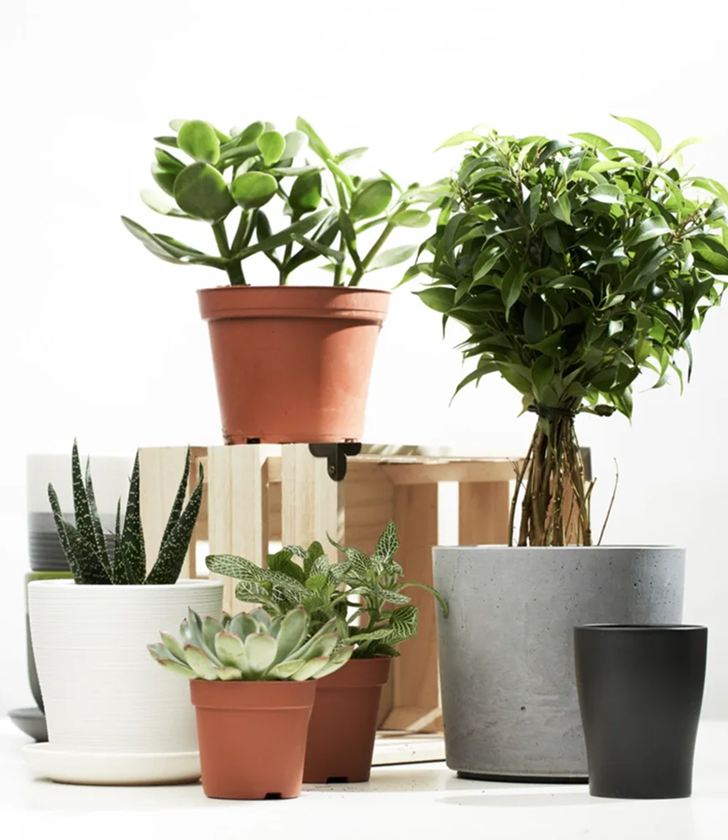
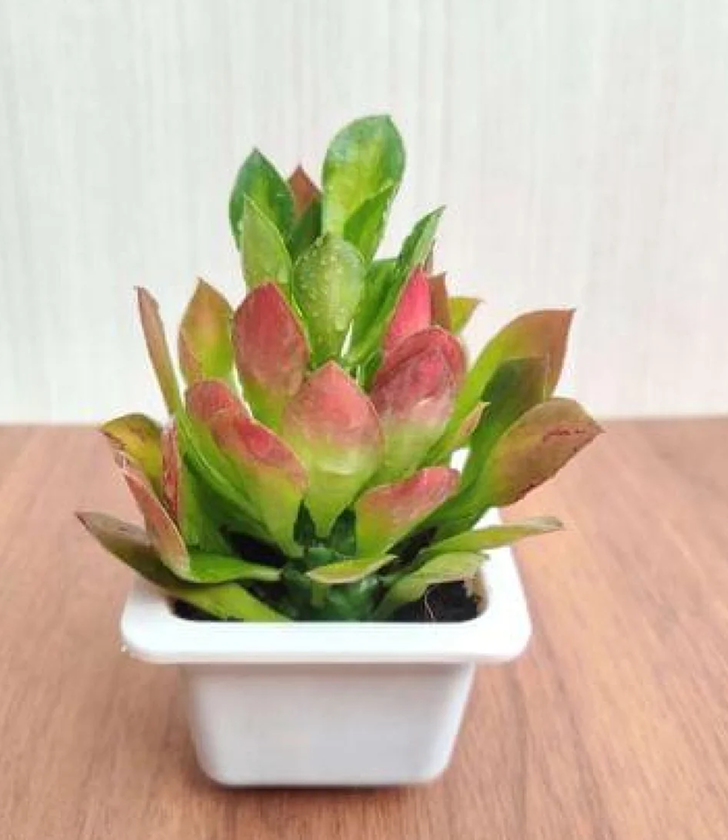
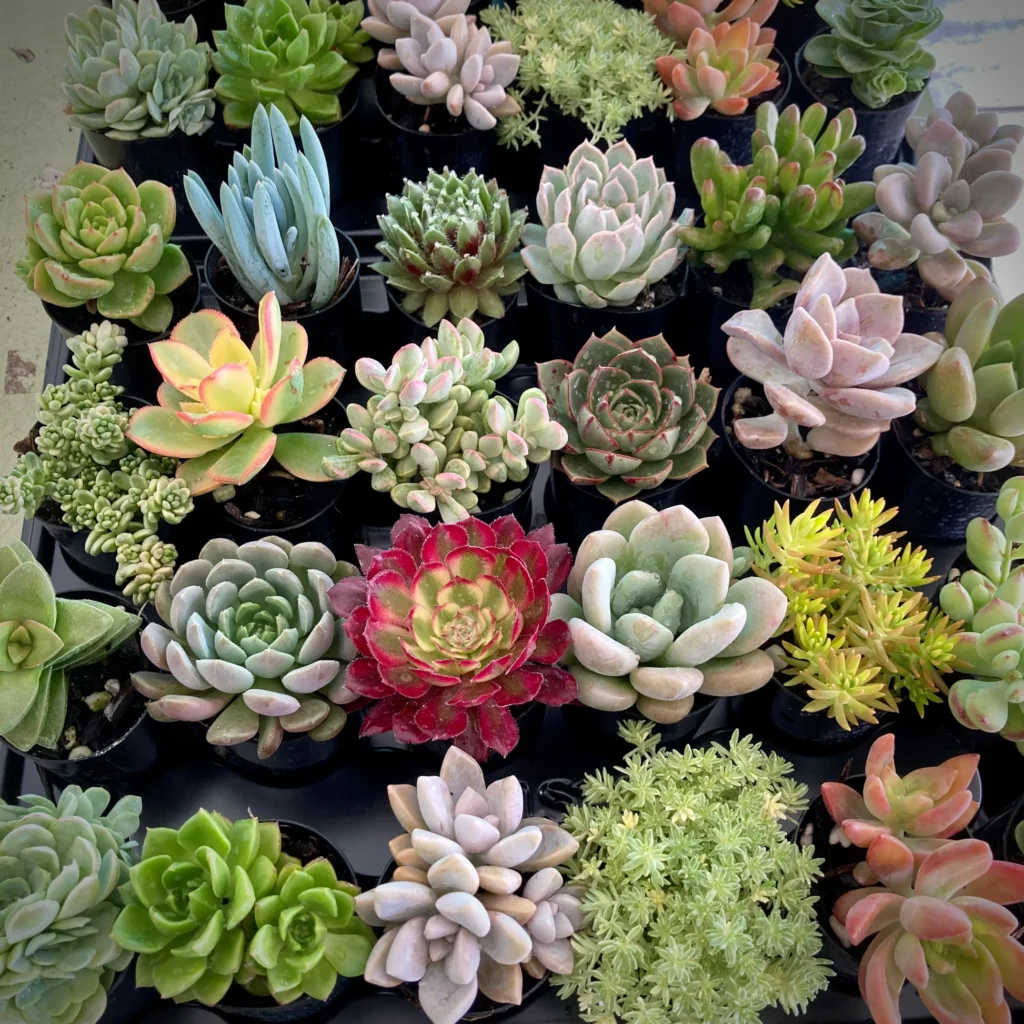
From the rosette-shaped Echeveria to the cascading String of Pearls, succulents come in endless forms. You can find succulents in pastel pinks, rich purples, glossy greens, and even silvery tones—making them a decorator’s dream.
Low Maintenance Lifestyle
These houseplants are famously easy to care for. They don’t need daily watering, they can handle inconsistent light, and they rarely need fertilizing. This makes them perfect for people who travel often or tend to forget watering schedules.
Versatility in Design
Succulents thrive in everything from ceramic pots to wall-mounted frames. They fit well into terrariums, vertical gardens, dish gardens, and even as part of floral arrangements.
Great for Home Decor
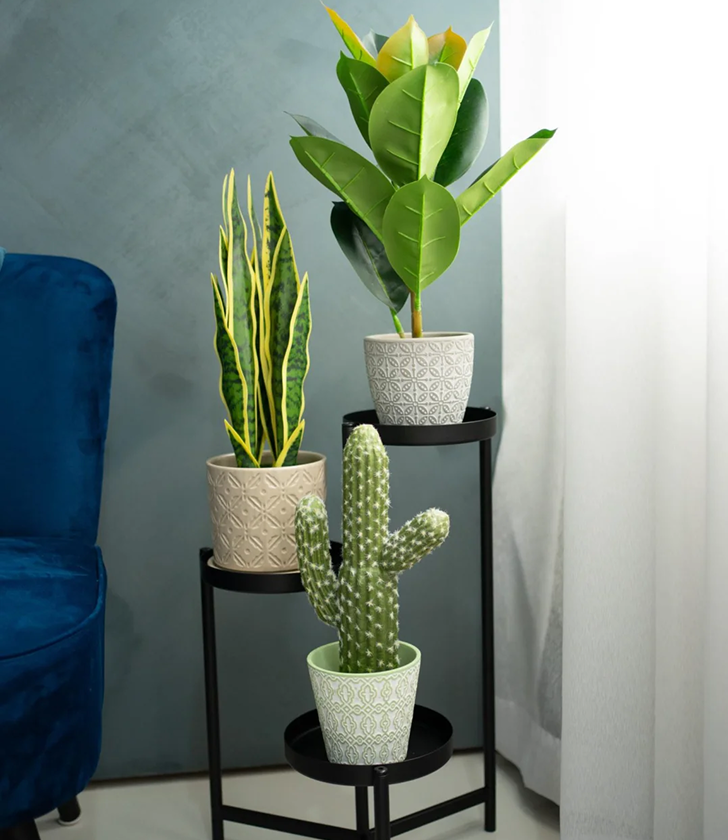
If you’re looking for succulent plants for home decor, these plants add a modern, minimal, and aesthetic touch to interiors.
Suitable for Indian Climate
Succulents thrive in temperatures between 18–30°C, which suits most indoor Indian environments.
A Plant Trend That’s Here to Stay
Driven by millennials and Gen Z embracing indoor gardening and wellness, succulents have exploded in popularity. Their resilience, visual charm, and symbolic meanings (like good luck or prosperity) make them ideal gifts and personal decor items.
Top Tips for Thriving Succulents
Sunlight Is Key
Succulents love sunlight! Place them where they can bask in bright, indirect light for at least 4-6 hours daily. If indoors, position them near a sunny window. For those sensitive to strong light, such as Sansevierias and Haworthias, choose spots with gentle morning sun.Master the Art of Watering
- Less Is More: Water only when the soil is completely dry.
- Seasonal Adjustments: Water weekly in summer, biweekly in spring/fall, and monthly during winter dormancy.
- Pro Tip: Use pots with drainage holes to prevent root rot.
Choose the Right Soil
Opt for well-draining soil. A mix of potting soil, sand, and pumice is ideal. For container gardening, consider adding extra pumice to ensure optimal drainage.Mind the Temperature
Succulents thrive in temperatures between 60°F and 80°F. Protect them from frost or excessive heat to keep them healthy year-round.Fight Off Pests Naturally
If pests like mealybugs or scale appear, a spray of diluted rubbing alcohol (70% alcohol mixed 50% with water) works wonders. Ensure good air circulation to prevent infestations.
These simple steps will keep your succulent plants indoor fresh, healthy, and visually appealing.
Succulent Care by Season
- Spring/Summer: Active growing season. Water and fertilize more regularly.
- Autumn: Reduce watering. Stop fertilizing.
- Winter: Dormancy period. Water sparingly. Keep warm and dry.
Always adjust care depending on your climate and the specific variety of succulent.
Using Succulent Plants for Home Decor
Succulents are not just houseplants—they are natural design elements that bring structure, color, and life into any indoor or outdoor space. Whether you’re decorating a small apartment, a spacious living room, or even a balcony wall, succulents offer endless creative possibilities. Among the most popular and visually appealing display methods are succulent terrariums, vertical gardens, and ceramic planters. Each of these styles allows you to showcase your plants beautifully while maximizing space and enhancing your interior aesthetics.
Noticing color changes in your succulents? Learn what causes succulent discoloration—and how to fix and prevent it for vibrant, healthy displays.
One of the biggest reasons behind the popularity of succulent plants indoor is their versatility in décor. Here’s how you can style succulent plants for home decor:
1. Succulent Terrariums: Miniature Worlds of Green
A succulent terrarium is a self-contained, glass-enclosed garden that houses small succulents, decorative stones, and soil layers. These displays are ideal for coffee tables, desks, shelves, or even as centerpieces for special events.
Why Choose a Succulent Terrarium?
- Great for small spaces and apartments
- Provides a controlled environment for moisture
- Acts as a decorative element or conversation starter
How to Create a Succulent Terrarium
Materials Needed:
- Clear glass container (open bowl, jar, or hanging orb)
- Pebbles or gravel (for drainage)
- Activated charcoal (prevents mold and odor)
- Succulent/cactus soil
- Small succulents (e.g., Haworthia, Echeveria, Zebra Plant)
- Decorative elements (moss, pebbles, driftwood, figurines)
Steps:
- Layer pebbles at the bottom for drainage.
- Add activated charcoal to prevent bacteria growth.
- Fill with succulent soil—well-draining and sandy.
- Plant your succulents carefully, ensuring roots are lightly covered.
- Decorate the top with pebbles or moss for a polished look.
Light & Care Tips
- Place near bright, indirect sunlight.
- Water sparingly—once every 2–3 weeks.
- Use a spray bottle or dropper for targeted watering.

2. Vertical Succulent Gardens: Living Wall Art
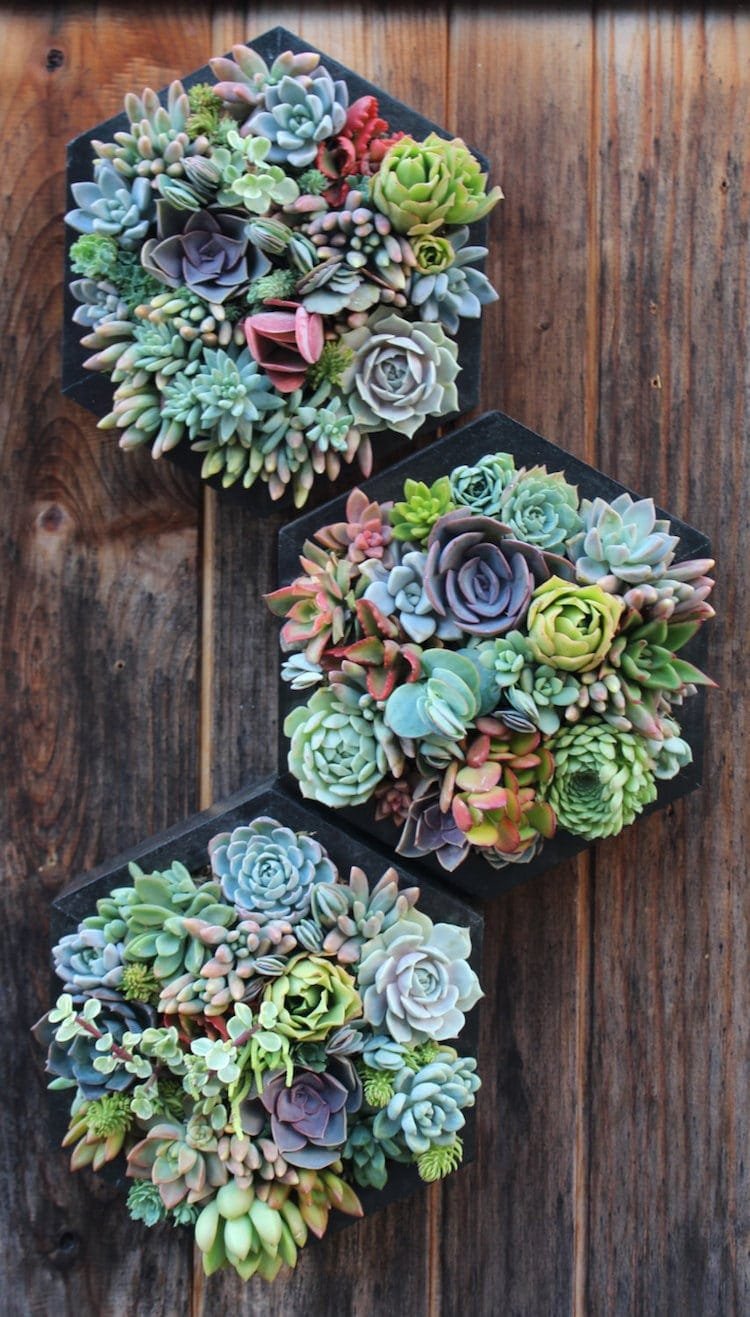
A vertical succulent garden is a dramatic, space-saving display that transforms walls into green living art. It’s a perfect option for balconies, patios, indoor accent walls, or office interiors.
Why Choose a Vertical Succulent Garden?
- Adds greenery without occupying floor space
- Creates a striking visual centerpiece
- Ideal for both indoor and outdoor spaces
How to Build a Vertical Succulent Garden
Materials Needed:
- Wall-mounted frame or shadow box with depth
- Wire mesh or chicken wire
- Landscape fabric
- Succulent soil
- Variety of small-root succulents (e.g., Sedum, Crassula, Aeonium)
Steps:
- Build or buy a frame that includes a base for holding soil.
- Line with landscape fabric to keep soil in place.
- Add soil and press it gently into the frame.
- Cut small slits in the fabric and insert the succulent cuttings.
- Lay the frame flat for 1–2 weeks until plants root.
- Hang the garden upright once roots are secure.
Light & Care Tips
Rotate the frame every few weeks for even exposure.
Requires bright, filtered sunlight for healthy growth.
Water with a spray bottle, letting the soil dry between watering.
3. Ceramic Planters: Stylish Homes for Succulents
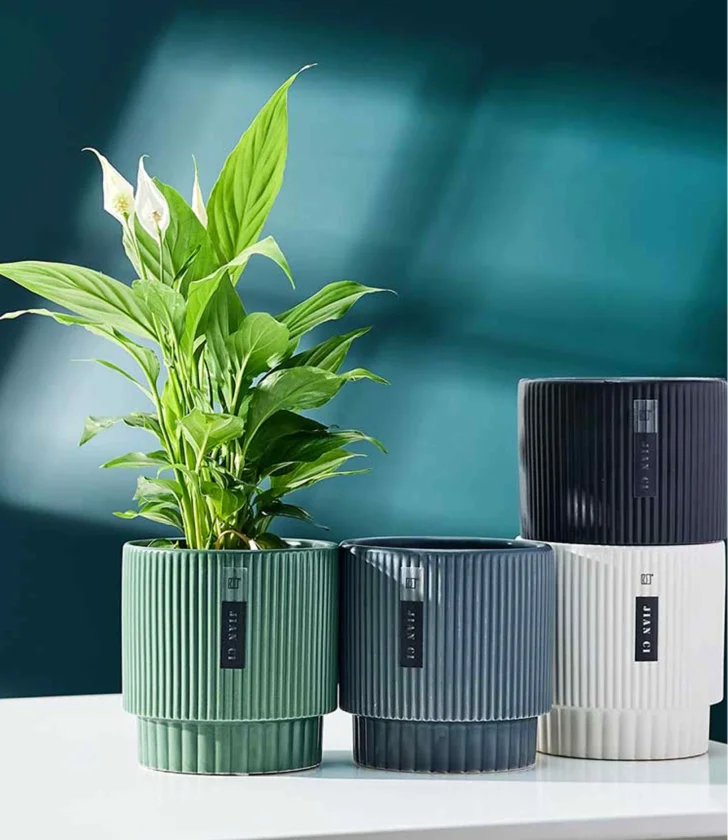
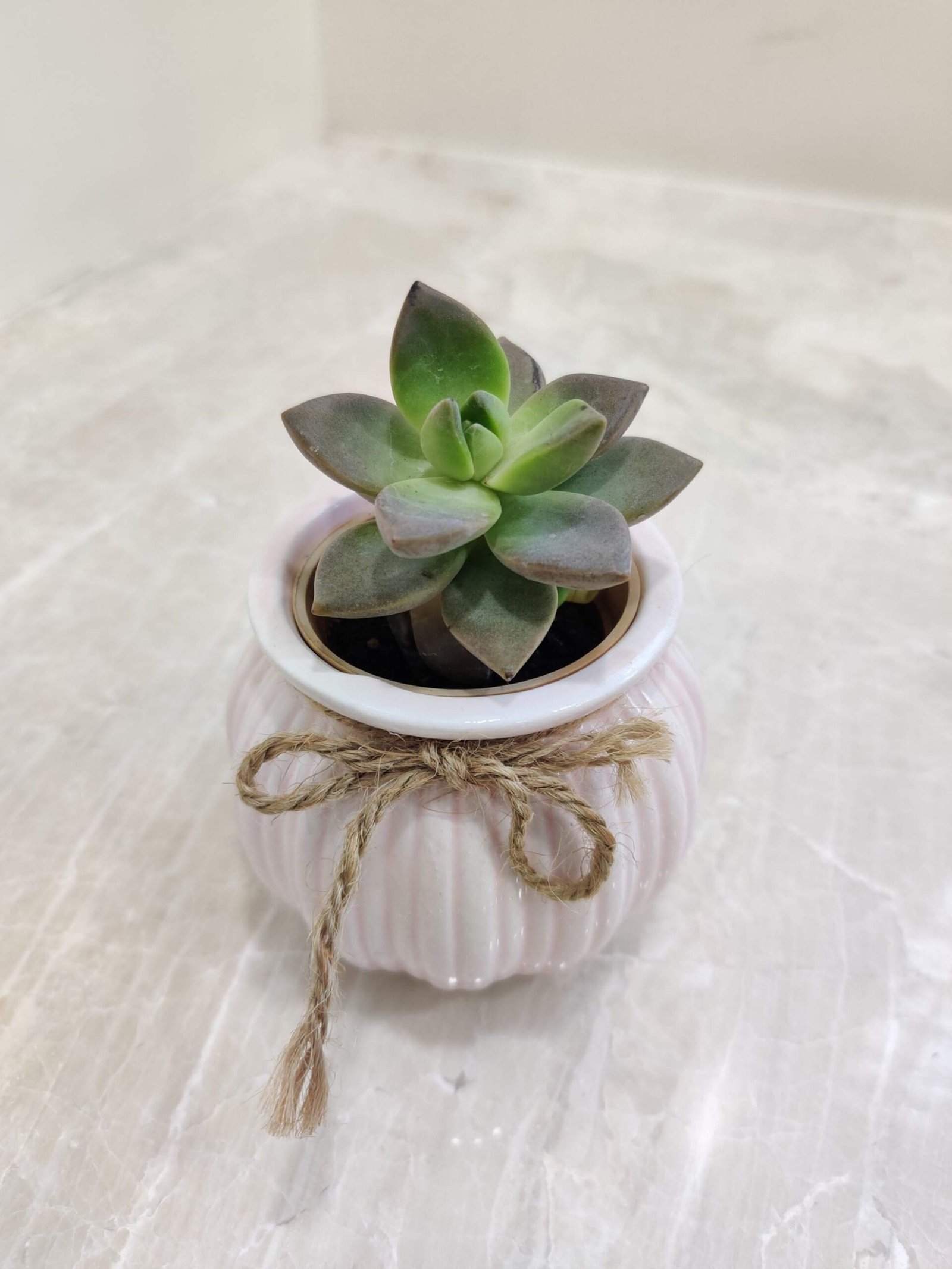
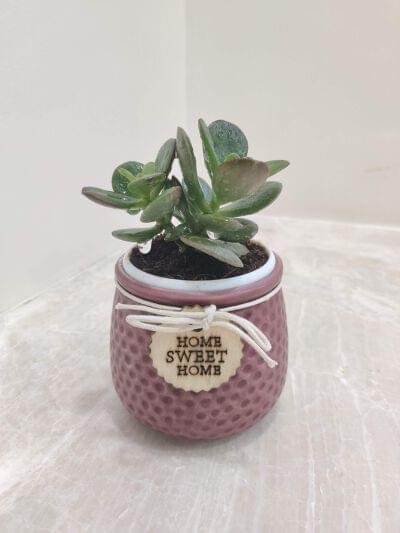
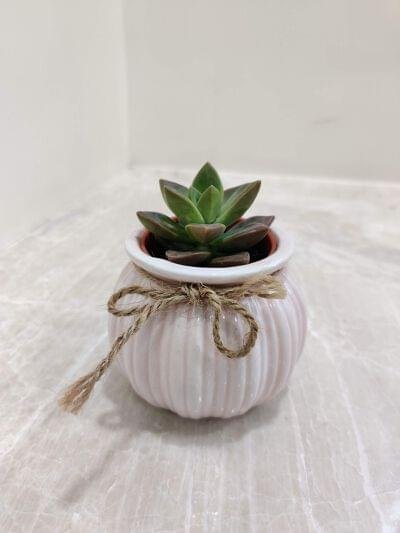
Succulents in ceramic planters combine elegance and simplicity. Ceramic pots are available in countless colors, shapes, and finishes, making them a popular choice for modern interiors.
Why Choose Ceramic Planters for Succulents?
- Aesthetic appeal: Glossy, matte, textured, or hand-painted finishes
- Durability: Ceramic is long-lasting and less prone to breaking than plastic
- Temperature regulation: Keeps roots cooler in hot weather
How to Design Succulent Arrangements in Ceramic Pots
Tips for Success:
- Choose pots with drainage holes to prevent overwatering.
- Select succulents that complement the pot’s color and shape.
- Use top dressing like small stones or sand to enhance appearance.
- Create balance by mixing different shapes—add a tall Aloe in the center, cluster round Echeverias, and trail a String of Pearls over the edge.
Styling Ideas:
- Use pastel-hued ceramics with pale succulents like Graptopetalum.
- Pair white or neutral pots with bold green succulents for contrast.
- Group three ceramic planters of different sizes for a dynamic table display.
Light & Care Tips
Avoid overwatering—ceramic retains some moisture longer than terracotta.
Position near a sunny windowsill.
Water when the top 1–2 inches of soil are dry.
Creative Combinations for Succulent Displays
Want to go beyond the basics? Try these creative, eye-catching ideas:
Table Centerpieces
Mix succulents in a low ceramic dish with decorative stones for dining tables or coffee tables.
Hanging Terrariums
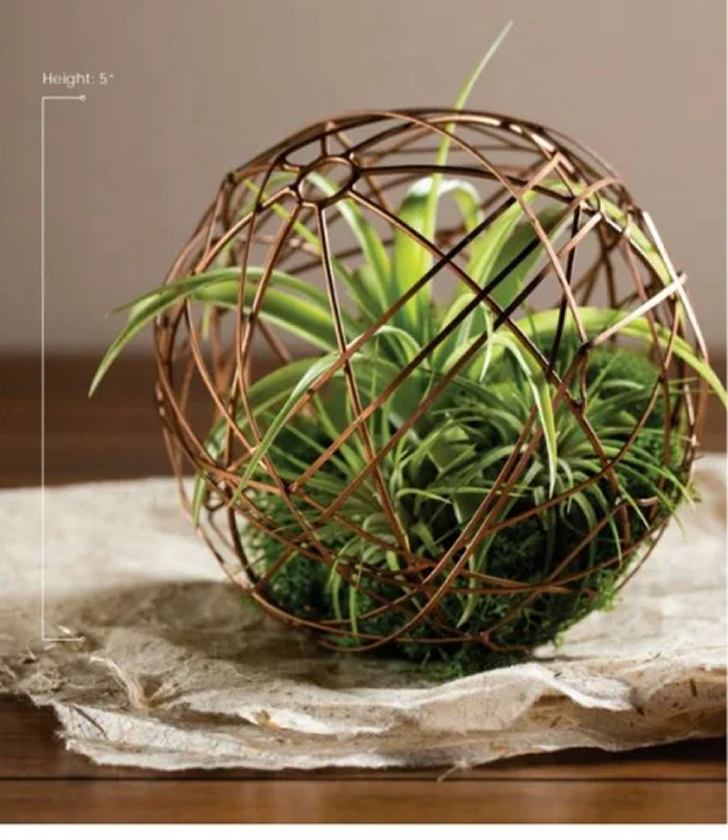
Hang glass orbs with trailing succulents near windows for a dreamy, boho vibe.
Living Wall Frames
Use shadow boxes filled with compact succulents and display as botanical wall art.
Shelf Styling
Use different ceramic planters arranged by height and color to dress up empty shelves.
Maintenance Tips for Displayed Succulents
Regardless of your container or arrangement style, these tips will help your succulents stay healthy and vibrant:
- Clean glass terrariums monthly to prevent dust buildup.
- Rotate all displays every 2–3 weeks for even sunlight exposure.
- Remove dead or dried leaves promptly to avoid pest issues.
- Refresh soil in ceramic pots every 1–2 years.
Popular Indoor Succulents to Grow at Home
Here are some of the most popular indoor succulent varieties that thrive with minimal care:
| Common Name | Scientific Name | Distinctive Feature |
|---|---|---|
| Jade Plant | Crassula ovata | Glossy leaves, bonsai-like growth |
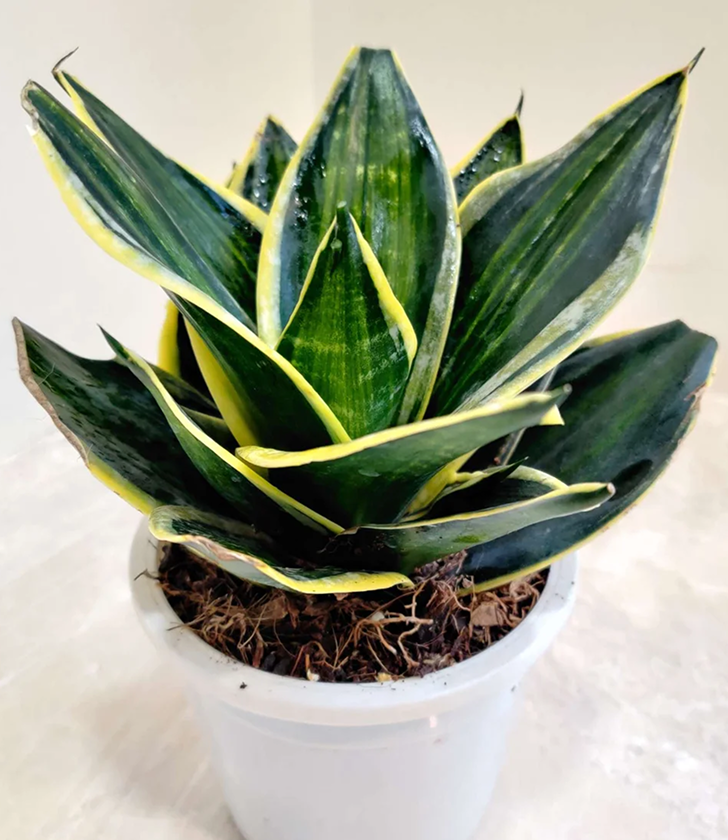
| Snake Plant | Sansevieria trifasciata | Tall, sword-like leaves |
| Zebra Plant | Haworthia fasciata | White horizontal stripes |
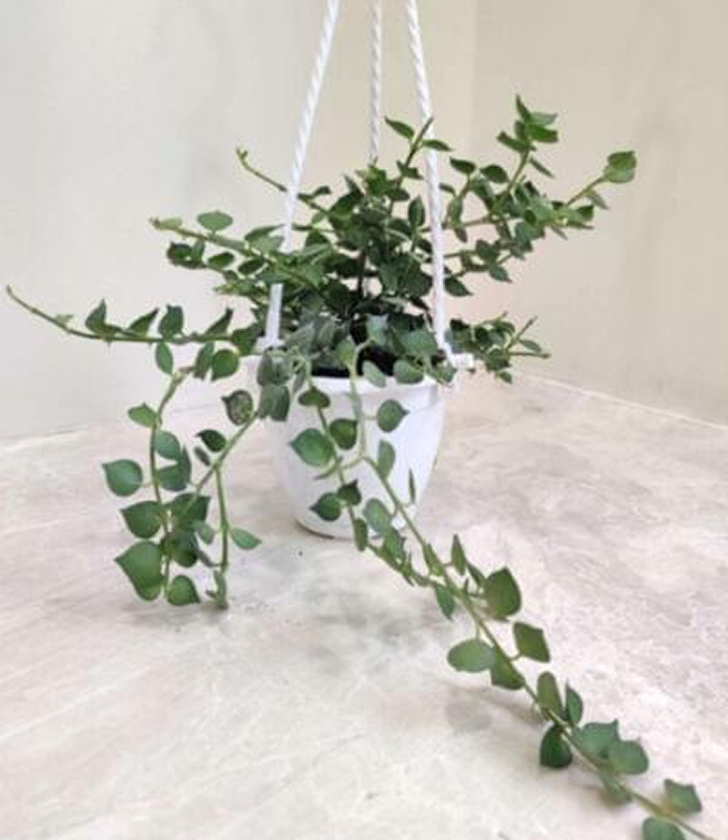
| Burro’s Tail | Sedum morganianum | Plump, trailing leaves |
| Flaming Katy | Kalanchoe blossfeldiana | Bright, colorful blooms |
| Crown of Thorns | Euphorbia milii | Thorny stems, persistent flowers |
These succulents are ideal for windowsills, office desks, and shelves. They’re easy to find at your local garden center or online plant stores. These succulent plants types are widely preferred because they are hardy, stylish, and beginner-friendly.
Succulent Plants Buy Online – Easy & Convenient
Today, it’s easier than ever to succulent plants buy online and get them delivered directly to your home.
Online platforms offer a wide variety of succulent plants types, along with planters and accessories, helping you create a complete indoor plant setup without hassle.
When you choose to succulent plants buy online, always look for healthy plants, proper packaging, and trusted sellers to ensure quality.
Final Thoughts
From understanding the meaning of succulent plants to exploring different succulent plants types, it’s clear why they are a favorite among plant lovers.
Succulents are more than just plants; they’re a testament to nature’s resilience. With minimal effort, you can cultivate a thriving succulent haven, adding charm and serenity to your living space. Remember, the key lies in understanding their needs and embracing their unique beauty.
So, why wait? Start small, experiment with succulent plants for home decor, and gradually transform your home into a stylish green sanctuary.
FAQs
1. What plants are succulents?
Succulents are plants that store water in their leaves, stems, or roots, making them highly drought-tolerant. Common examples include jade plant, aloe vera, echeveria, and haworthia. These plants are known for their thick, fleshy leaves and are ideal as succulent plants indoor due to their low maintenance needs.
2. Can succulent plants grow indoors?
Yes, succulent plants indoor grow very well when placed near bright, indirect sunlight. They are perfect for Indian homes, especially for windowsills, balconies, and well-lit rooms. With proper light and minimal watering, indoor succulents thrive easily.
3. How to water succulent plants properly?
Knowing how to water succulent plants is key to their health. Water only when the soil is completely dry. Avoid frequent watering, as overwatering can cause root rot. A general rule is watering once every 7–10 days, depending on the climate and indoor conditions.
4. What is the best soil for succulent plants?
The ideal soil for succulent plants should be well-draining and airy. A mix of garden soil, sand, and perlite works well. You can also use ready-made succulent potting mix to ensure proper drainage and root health for your succulent plants indoor.
5. Where can I find succulent plants near me?
If you’re searching for succulent plants near me, check local nurseries, garden centers, or trusted online stores. Many plant websites now allow you to succulent plants buy online with home delivery across India, making it easy and convenient.
6. Are succulent plants cactus the same?
All cacti are succulents, but not all succulents are cacti. The term succulent plants cactus refers to a group of succulents that have spines and belong to the cactus family. Other succulents like jade or echeveria do not have spines but still store water in their leaves.
7. What are the benefits of succulent plants?
There are many succulent plants benefits, including:
Low maintenance and easy care
Improve indoor aesthetics
Help create a calming environment
Suitable for small spaces and work desks
This makes succulent plants indoor a great choice for both homes and offices.
8. Do succulent plants have flowers?
Yes, there are many succulent plants with flowers such as kalanchoe, echeveria, and some cactus varieties. These flowering succulents add color and vibrancy to your indoor décor while still being easy to maintain.
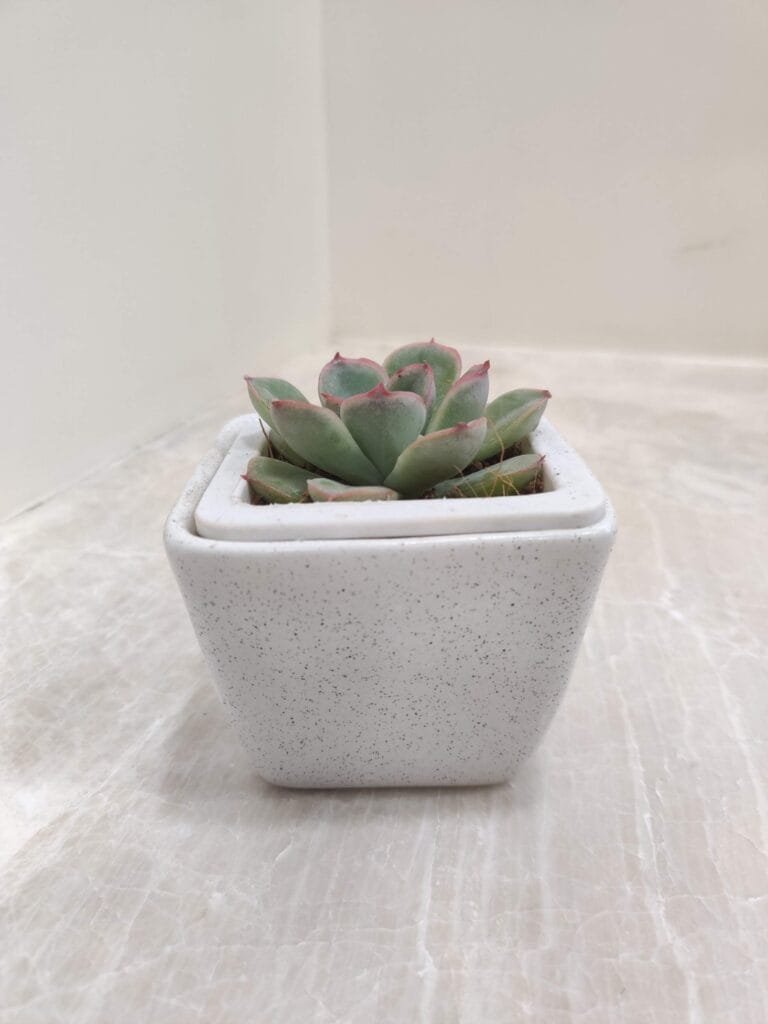
Discover Our Stunning Succulent Collection
From rare varieties to beginner-friendly picks—find the perfect plant for your space.
Shop Succulents Now